Bangladesh is seeking a coordinated regional and international effort to accelerate the return of Rohingya refugees to Myanmar, saying its own diplomatic initiatives will not be enough to secure a lasting solution to the crisis.
Home Minister Salahuddin Ahmed said China, Japan, ASEAN, the United Nations and other key stakeholders must work together to create conditions for the safe, voluntary, dignified and sustainable repatriation of the displaced population.
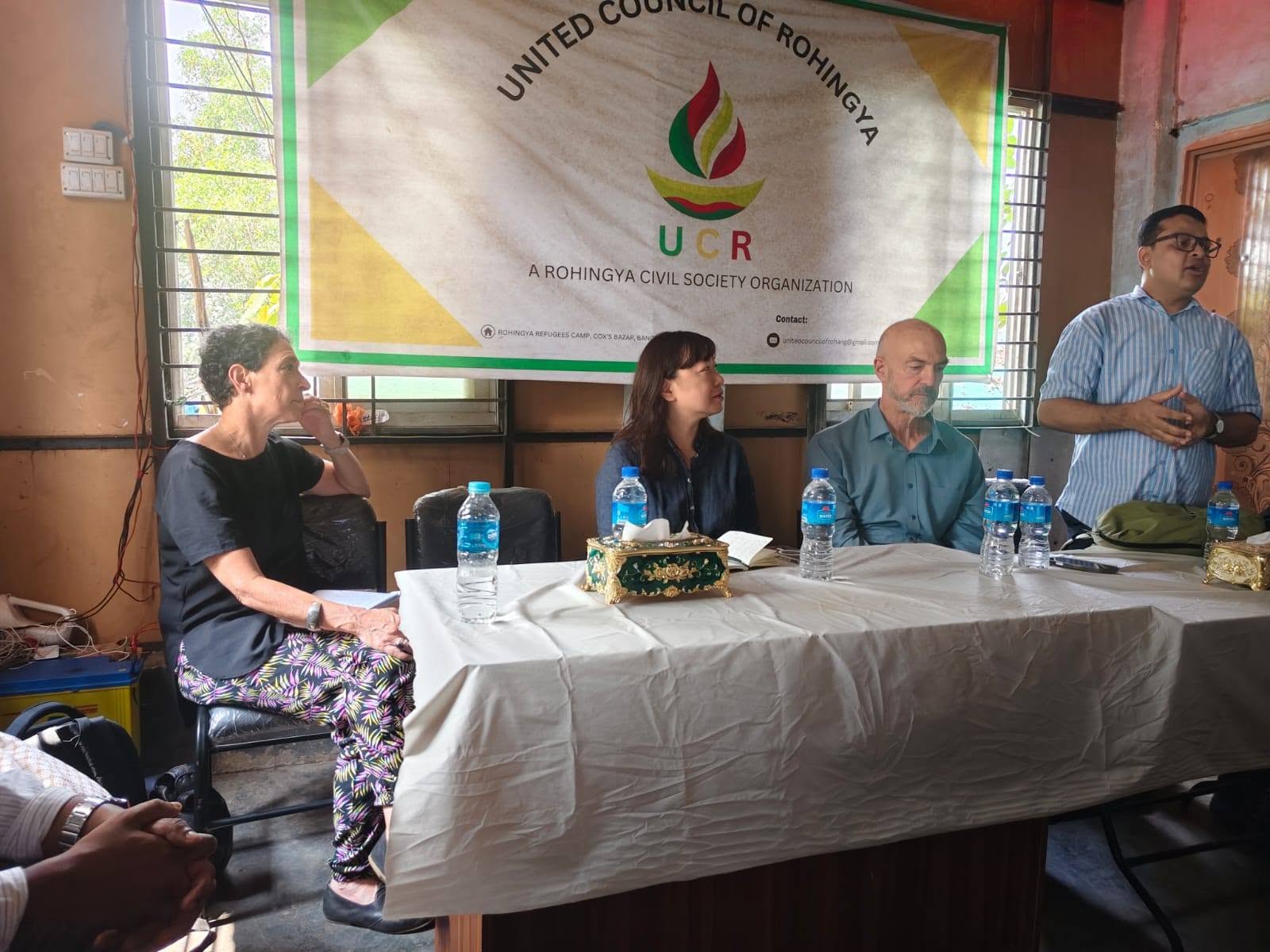
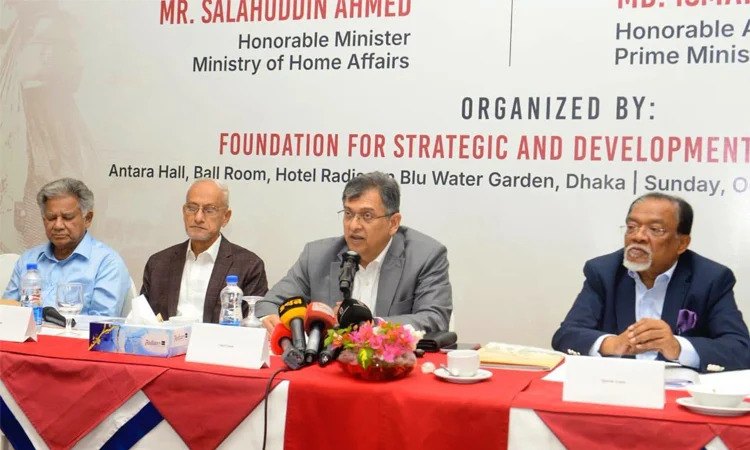
He made the remarks on Monday at a seminar on “Rohingya Crisis: Way Forward – Towards Sustainable Repatriation and a Durable Regional Solution”, organised by the Foundation for Strategic and Development Studies (FSDS) at Radisson Blu Water Garden in Dhaka, according to BSS.
Ahmed said Bangladesh was pursuing different diplomatic channels, including informal communication, in response to the changing political and security situation in Myanmar’s Rakhine State, where the Arakan Army (AA) controls a substantial area.
He stressed that peaceful repatriation remained Bangladesh’s primary goal, while the government would continue diplomatic engagement and keep other options open as a last resort.
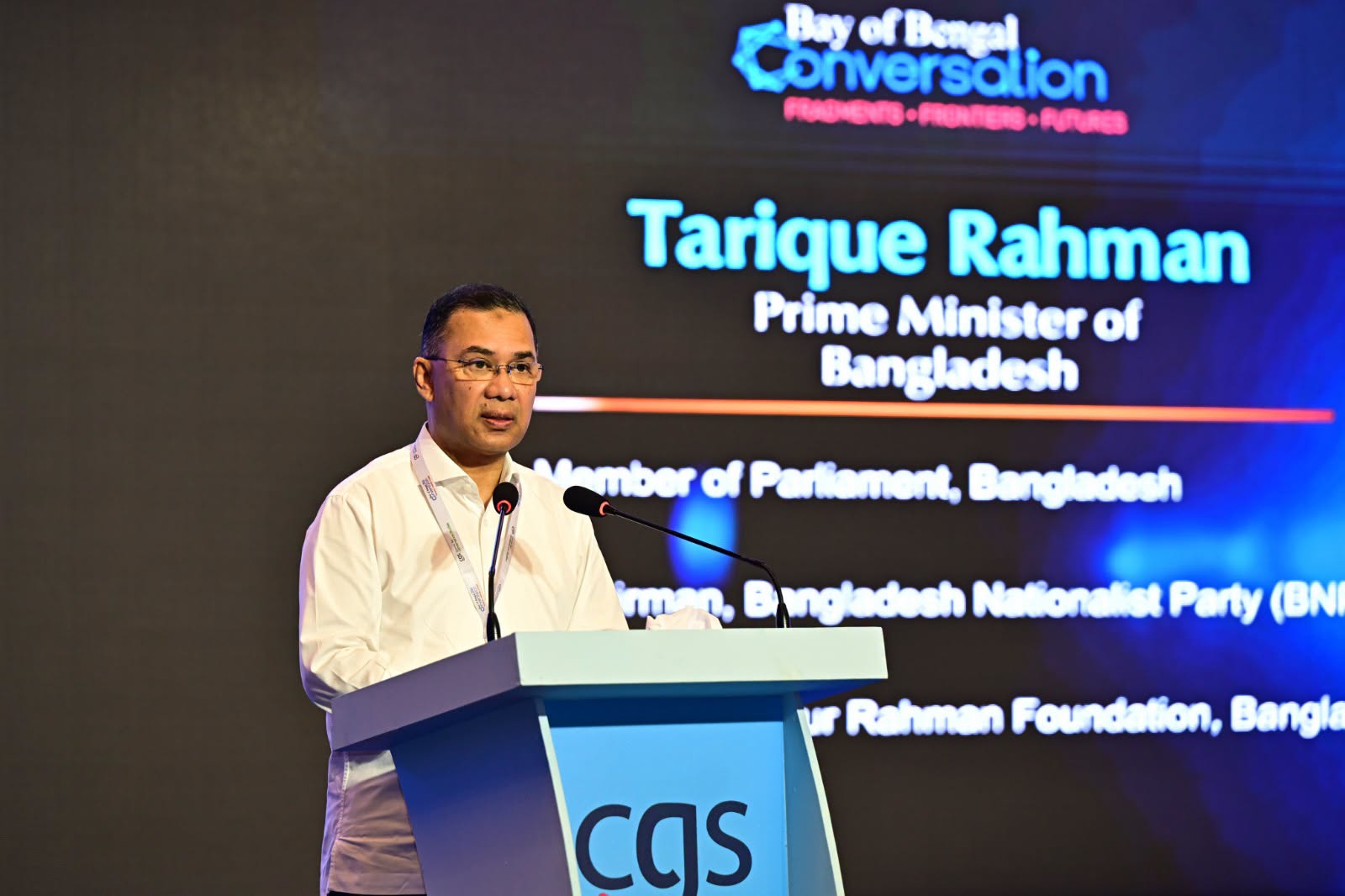
The minister also pointed to Prime Minister Tarique Rahman’s planned visit to Japan later this month, saying the trip could provide an opportunity for further discussions on speeding up the repatriation process.
Speaking after the seminar, Ahmed said Bangladesh’s representative being elected president of the United Nations General Assembly this year had opened a fresh opportunity to press the Rohingya issue more strongly at the international level.
He expressed hope that coordinated discussions involving China, Japan, India, the United States, the European Union and other partners would help establish a pathway towards an early and sustainable return.
Md Ismail Zabiullah, adviser to the prime minister on public administration with ministerial rank, said the Rohingya crisis went beyond humanitarian assistance and bilateral relations, with direct implications for Bangladesh’s national interests, regional stability and international geopolitics.
He called for a shift from emergency response to strategic diplomacy, arguing that Bangladesh needed an integrated national strategy to address the crisis amid Myanmar’s changing political and military landscape.
Zabiullah also stressed the need to protect Rohingya rights and security while increasing international pressure on Myanmar to ensure conditions for their safe and dignified return.
FSDS Chairman Major General (retd) Fazle Elahi Akbar chaired the seminar, which brought together diplomats, representatives of international organisations, retired military officers, researchers, academics and journalists.
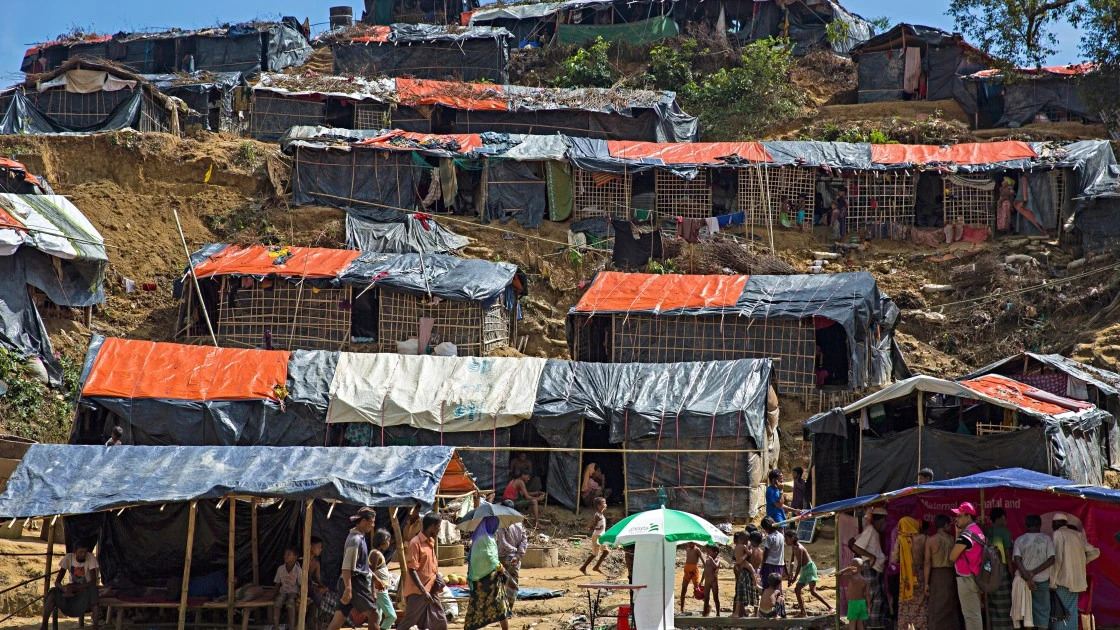
More than one million Rohingya remain in Bangladesh, with the absence of guarantees for safety, rights and a secure future in Myanmar continuing to stand in the way of large-scale repatriation.
BOB Post