Bangladesh plans to convene a high-level event during the 81st United Nations General Assembly session to push the Rohingya crisis to the forefront of international attention and strengthen global support for the refugees’ safe and sustainable repatriation to Myanmar.
Foreign Minister Khalilur Rahman said the initiative would seek to place the plight of displaced Rohingyas at the centre of international discussions as Bangladesh continues diplomatic efforts to secure a durable solution to the crisis.
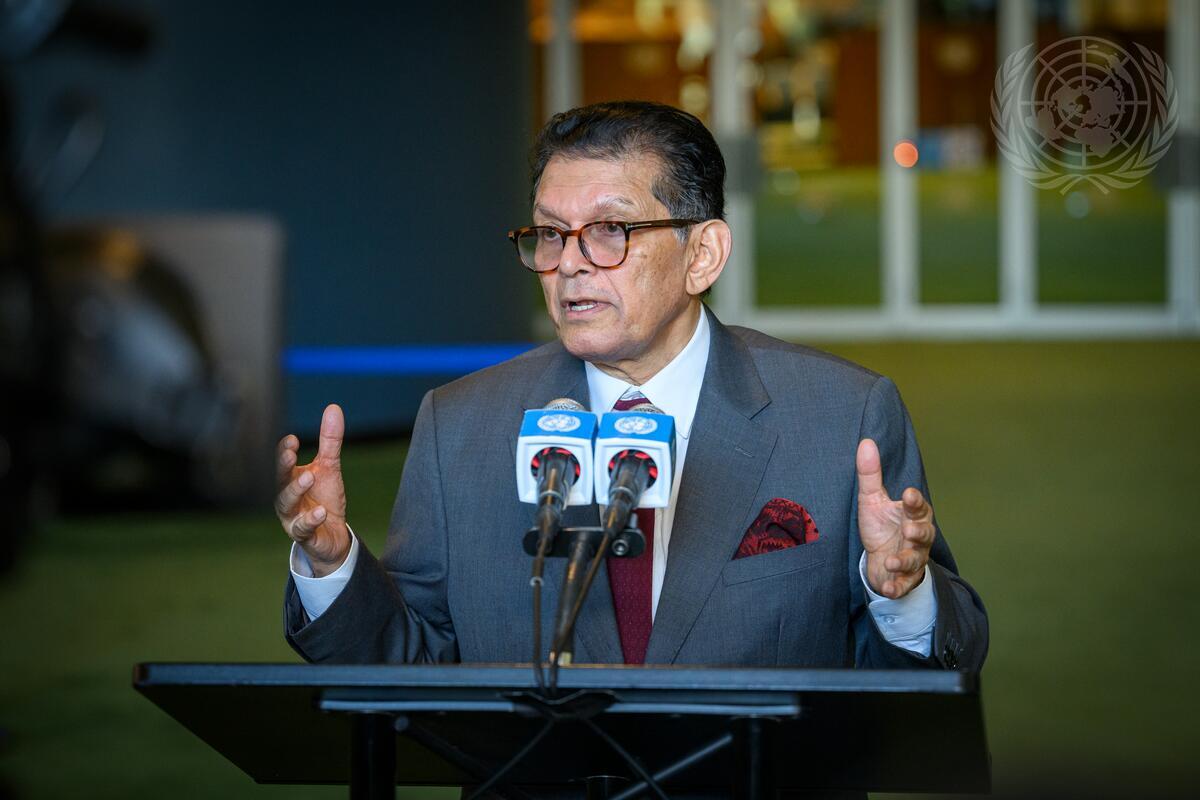
“We hope that the honourable prime minister will participate as a keynote speaker at the high-level event. This will consolidate international support for the Rohingya crisis and repatriation,” Khalilur said in a written response to a parliamentary query from Gazipur-5 lawmaker AKM Fazlul Haque Milon.
According to The Daily Star, Bangladesh is seeking to use the high-level UN platform to generate stronger international backing for resolving the crisis, which Dhaka maintains originated in Myanmar and must ultimately be addressed there.
The 81st UNGA session began on September 8 under the theme Restoring Trust, Managing Transformation: A United Nations That Delivers for All. Its general debate, where heads of government and other senior leaders present their positions on major international issues, is scheduled for September 22-28.
Dhaka has consistently argued that the sustainable resolution of the Rohingya crisis depends on the safe, voluntary and dignified return of the displaced population to Myanmar.
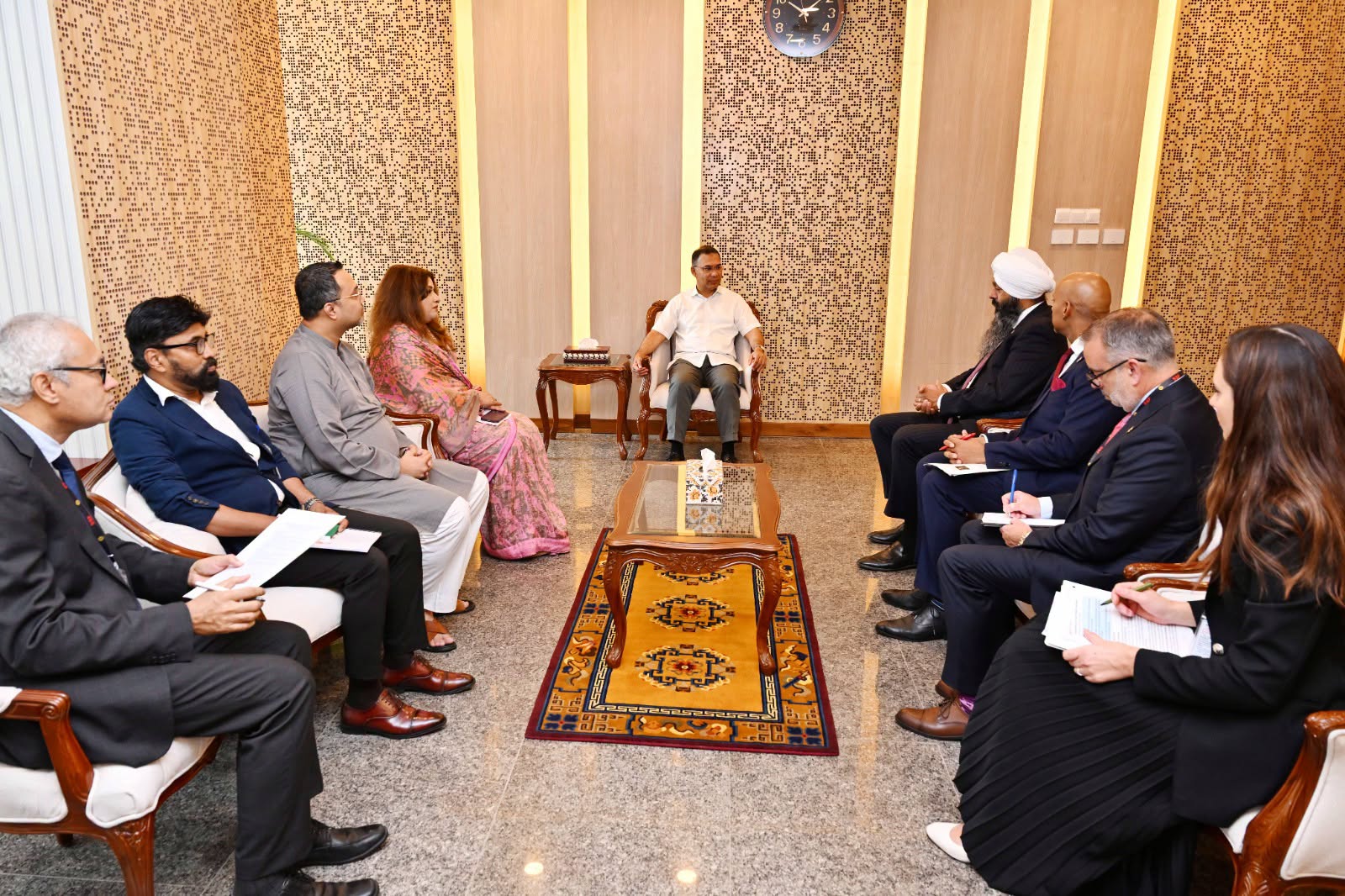
Khalil said the BNP-led government remains committed to accelerating repatriation efforts and has been raising the issue at international forums, particularly the United Nations. He added that Bangladesh is maintaining high-level contacts with friendly states, donor countries and international organisations to build wider support.
The foreign minister also pointed to the prime minister’s discussions on the Rohingya issue during recent visits to China and Malaysia, saying Bangladesh was pursuing the matter through diplomatic engagement with key regional partners.
The Rohingya crisis remains one of the region’s most prolonged humanitarian and security challenges, with Bangladesh continuing to host a large displaced population in Cox’s Bazar and on Bhasan Char after successive waves of violence and displacement from Myanmar’s Rakhine State.
Khalil also criticised the previous government’s handling of the crisis, alleging that political considerations and symbolic initiatives had delayed more effective diplomatic efforts towards repatriation.
“Our government does not see this crisis as a matter of political campaigning. Rather, we consider this crisis as a serious issue of national interest, security and humanitarian responsibility of Bangladesh,” he said.
The planned UNGA event is therefore expected to serve as an important diplomatic opportunity for Dhaka to renew international pressure on Myanmar, mobilise support for the Rohingya population and underline the need for a credible pathway towards sustainable repatriation.
BOB Post