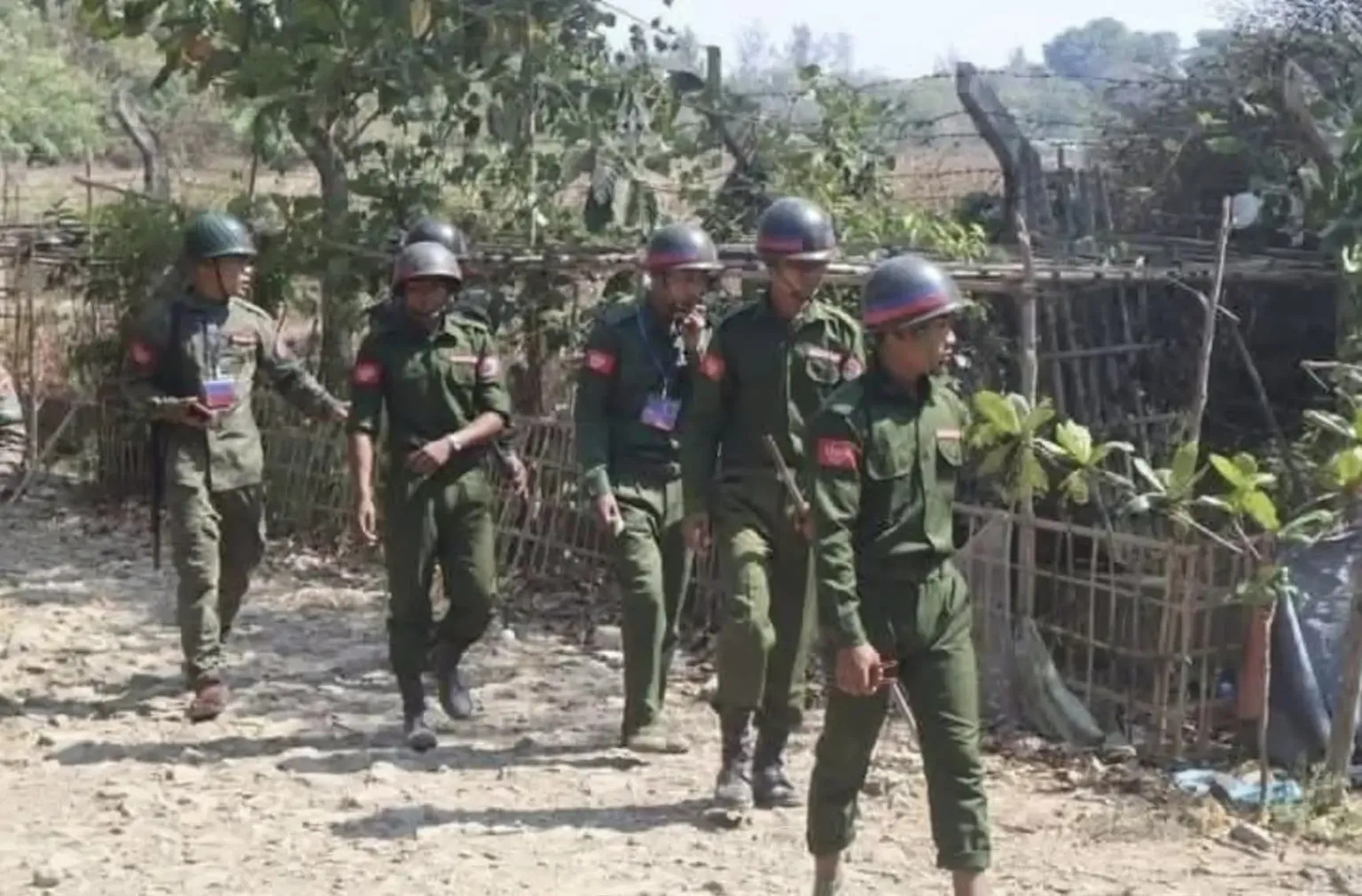
Bangladesh has called on the United Nations to bring Myanmar, regional countries and other influential stakeholders to the negotiating table to find a lasting solution to the Rohingya crisis and pave the way for the refugees’ safe return to Myanmar.
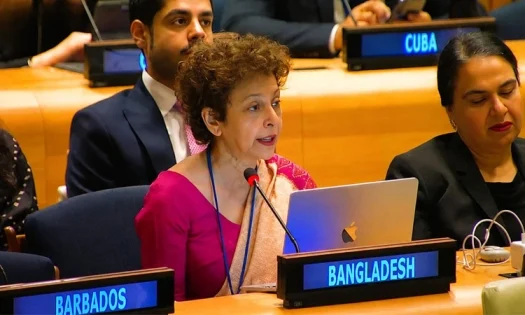
Bangladesh’s Permanent Representative to the UN, Ambassador Irene Zubaida Khan, made the call in a recent interview with BBC World Service, following Prime Minister Tarique Rahman’s address to the 81st UN General Assembly on September 24.
Khan said the United Nations alone could not resolve the crisis and that member states, particularly the five permanent members of the UN Security Council, needed to take greater responsibility for addressing the situation.
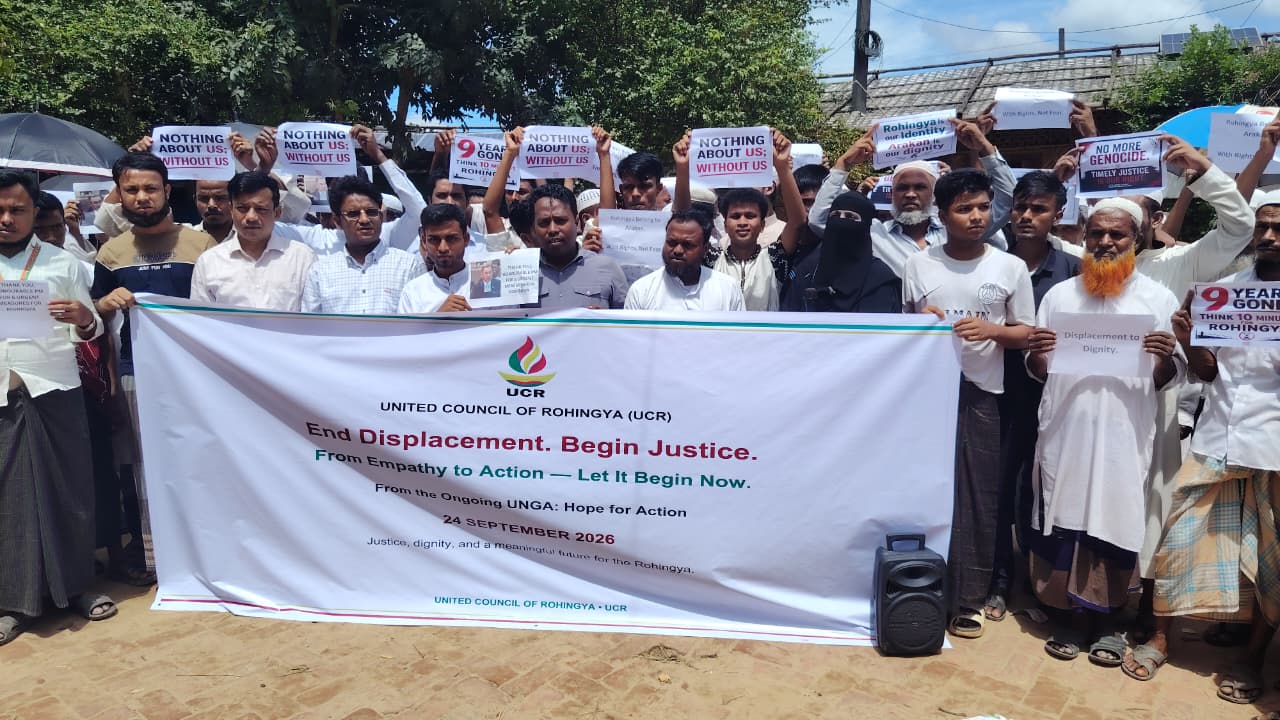
According to BBC, Khan said Bangladesh wanted the UN to convene all relevant parties, including Myanmar, Bangladesh, countries in the region and other states with influence over Myanmar or the financial capacity to support a solution.
Prime Minister Tarique Rahman, in his UNGA address, urged stronger international action to end the prolonged Rohingya crisis and create conditions for the safe, voluntary and dignified return of more than 1.2 million Rohingya refugees currently living in Bangladesh.
Khan identified three immediate priorities: maintaining humanitarian assistance for the Rohingya, providing greater support to Bangladesh as the host country, and pursuing a durable political solution to the crisis.
The call comes as humanitarian operations face growing funding pressures. The UN and its partners launched a $710.5 million appeal in May to provide critical assistance to Rohingya refugees in Cox’s Bazar and Bhasan Char, as well as vulnerable members of host communities.
Khan also raised concerns about children growing up in the camps after more than nine years of displacement. Around 30,000 children are estimated to be born in the camps every year, further increasing the population dependent on humanitarian assistance.
She said an entire generation was now growing up in displacement, making a long-term solution increasingly urgent.
Bangladesh has consistently maintained that the Rohingya crisis originated in Myanmar and that its solution must ultimately be found there. Khan said Rohingya refugees wanted to return to their homeland but only under conditions that guaranteed their safety and dignity.
She also stressed the need for a political process in which Myanmar would accept responsibility for receiving the refugees, alongside international support to create conditions inside Myanmar conducive to safe return.
Khan said the international community must also recognize that the Rohingya crisis cannot be addressed through humanitarian assistance alone. Greater political engagement and coordinated action by powerful UN member states, she said, would be essential to finding a sustainable solution.
BOB Post