At least nine Rohingya including women and children, were killed and several others injured after multiple landslides triggered by heavy overnight rainfall struck rohingya camps in Bangladesh's Cox's Bazar district early Monday.
The incidents occurred between 1:00 a.m. and 3:30 a.m. at four locations across the Balukhali, Kutupalong and Jamtoli camps in Ukhiya, one of the world's largest refugee settlements.
According to Ukhiya Fire Service and Civil Defence Station official Dollar Tripura, rescue teams recovered the bodies of at least eight victims during overnight operations, while local authorities later confirmed the overall death toll had risen to nine. Several injured survivors were taken to nearby hospitals for treatment.
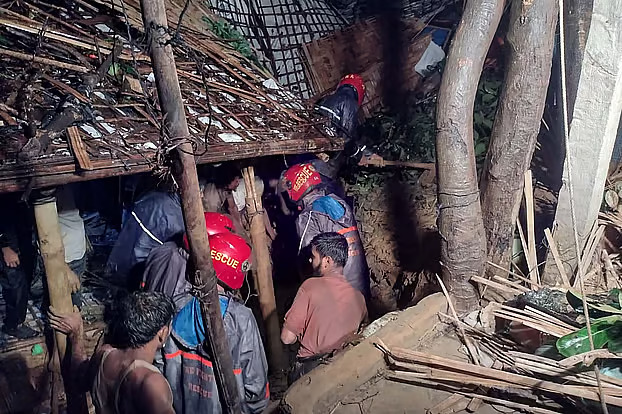
The deadliest incident took place around 1:30 a.m. in Block D-6 of Jamtoli Camp-15, where a section of a rain-soaked hillside collapsed onto a family shelter. The landslide killed Kamal Hossain, 44, his wife Humaira Begum, 39, and their four-year-old son Mohammad Anas. Two other members of the family were rescued with injuries.
About half an hour later, another landslide struck Block D-7 of Kutupalong Camp-7, killing seven-year-old Mohammad Ekram, the son of Rashid Ullah.
A third major landslide occurred around 3:30 a.m. in Block C-11 of Balukhali Camp-11, claiming the lives of four members of the same family. The victims were identified as Umme Habiba, 27, her younger sister Tanzina Akter, 13, and two boys, Harunur Rashid, 3, and Mohammad Rihan, 5.
Fire Service personnel, members of the Armed Police Battalion (APBn), and Rohingya volunteer teams carried out joint search and rescue operations through the night to recover victims and assist the injured.
Authorities warned that continued rainfall could trigger additional landslides across the camps. The Cox's Bazar Meteorological Office said a low-pressure system over the Bay of Bengal, combined with an active monsoon, has brought heavy to very heavy rainfall to the district. Similar weather conditions are expected to persist for at least the next two days.
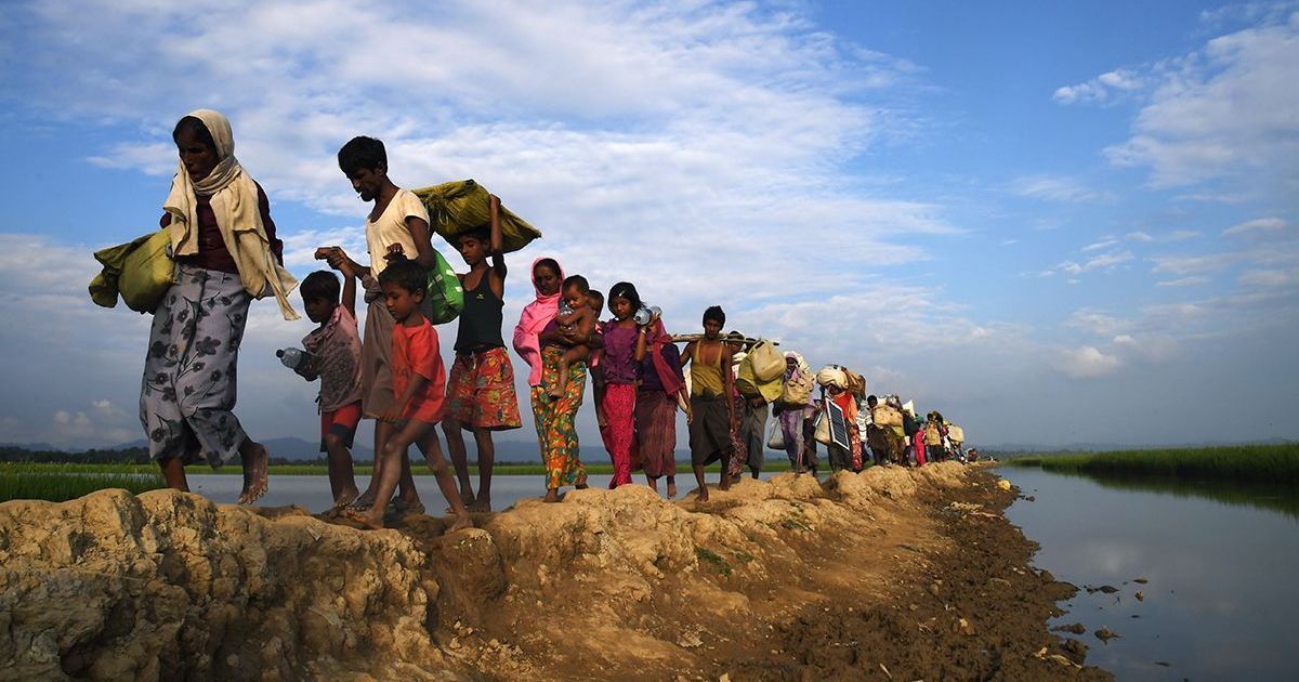
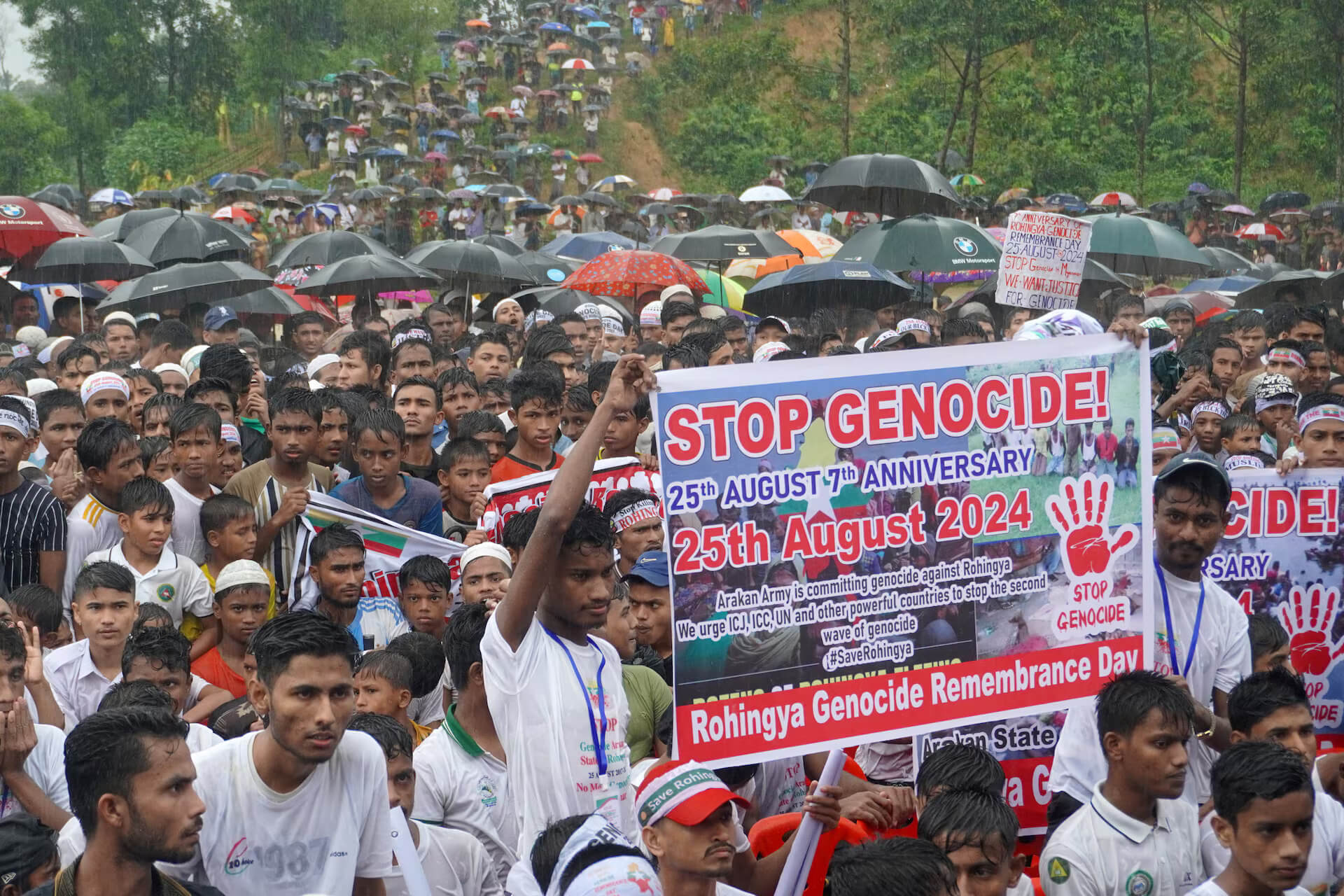
The Rohingya camps, established in the hilly terrain of Ukhiya and Teknaf following the mass displacement from Myanmar in 2017, remain highly vulnerable to monsoon-related disasters. Aid agencies and local officials estimate that around 80,000 refugees currently live in areas classified as highly susceptible to landslides and flash floods, posing a significant risk to lives during the rainy season.
The latest tragedy has renewed concerns over the safety of thousands of refugees living on unstable slopes as the monsoon intensifies, underscoring the continuing humanitarian challenges facing the camps.
This version follows a more international news agency style, with a stronger lead, chronological reporting, and broader context suitable for publication.
BOB Post