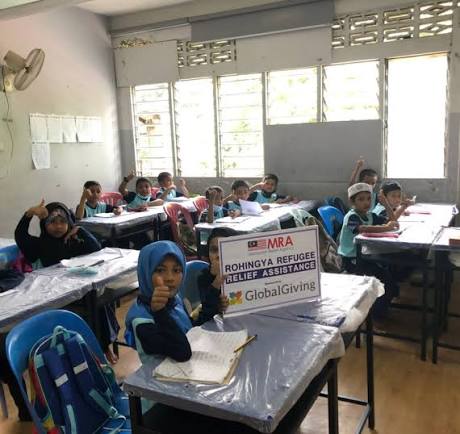
A growing wave of online hate speech and misinformation targeting Rohingya refugees has forced several community-run schools in Malaysia to suspend operations, disrupting the education of hundreds of refugee children and raising concerns among rights advocates over their safety and future.
At least nine Rohingya learning centers have closed in recent weeks after facing threats, harassment and mounting public hostility. The schools, which provide informal education for refugee children excluded from Malaysia's public school system, have become increasingly vulnerable amid an escalating anti-Rohingya campaign on social media.
According to The Japan Times, the surge in online hostility has extended beyond digital platforms, with school operators reporting intimidation, while some learning centers have also faced enforcement actions over licensing issues. Refugee advocates warn that the closures are depriving children of one of the few safe spaces available to them and could expose them to greater risks, including child labor, exploitation and early marriage.
The backlash intensified after a controversy surrounding a Rohingya community's religious animal sacrifice in May sparked a flood of inflammatory posts, false narratives and calls for the removal of Rohingya refugees from Malaysia. Human rights groups say the spread of disinformation on social media has fueled discrimination and deepened public hostility toward the stateless minority.
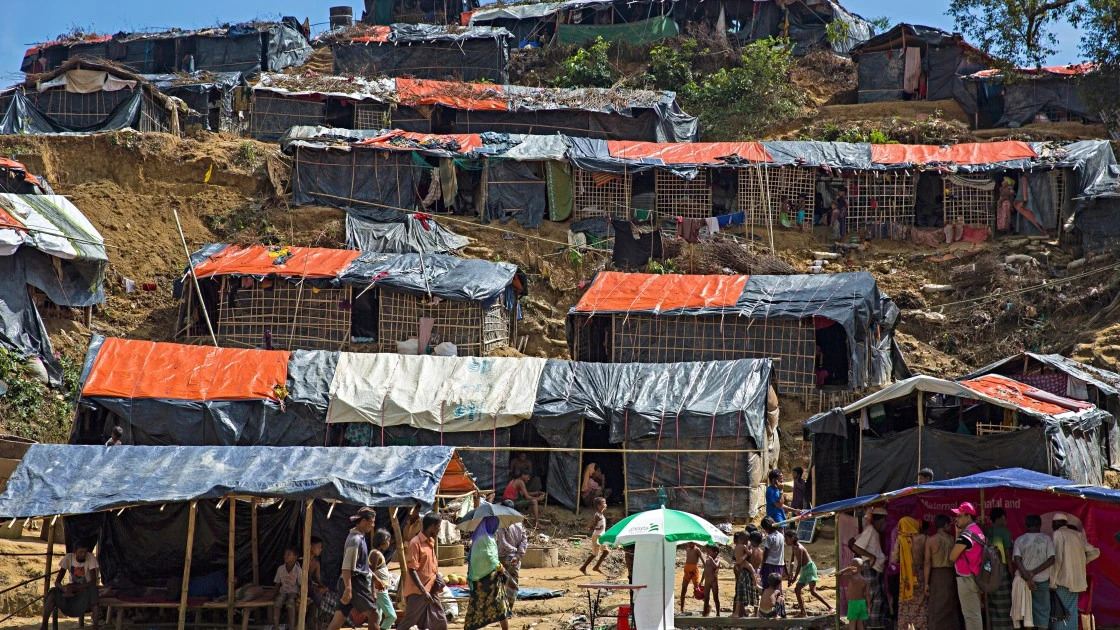
Malaysia hosts more than 200,000 registered refugees and asylum seekers, with Rohingya from Myanmar making up the largest refugee population. However, the country is not a signatory to the 1951 Refugee Convention, leaving refugees without legal status and limiting their access to formal employment and public education. Community-operated schools have therefore become the primary source of education for thousands of Rohingya children.
Rights organizations have urged Malaysian authorities to protect refugee children, counter online hate speech and ensure that access to education is not undermined by rising xenophobia. They also called on social media platforms to strengthen efforts against harmful content targeting vulnerable refugee communities.
BOB Post