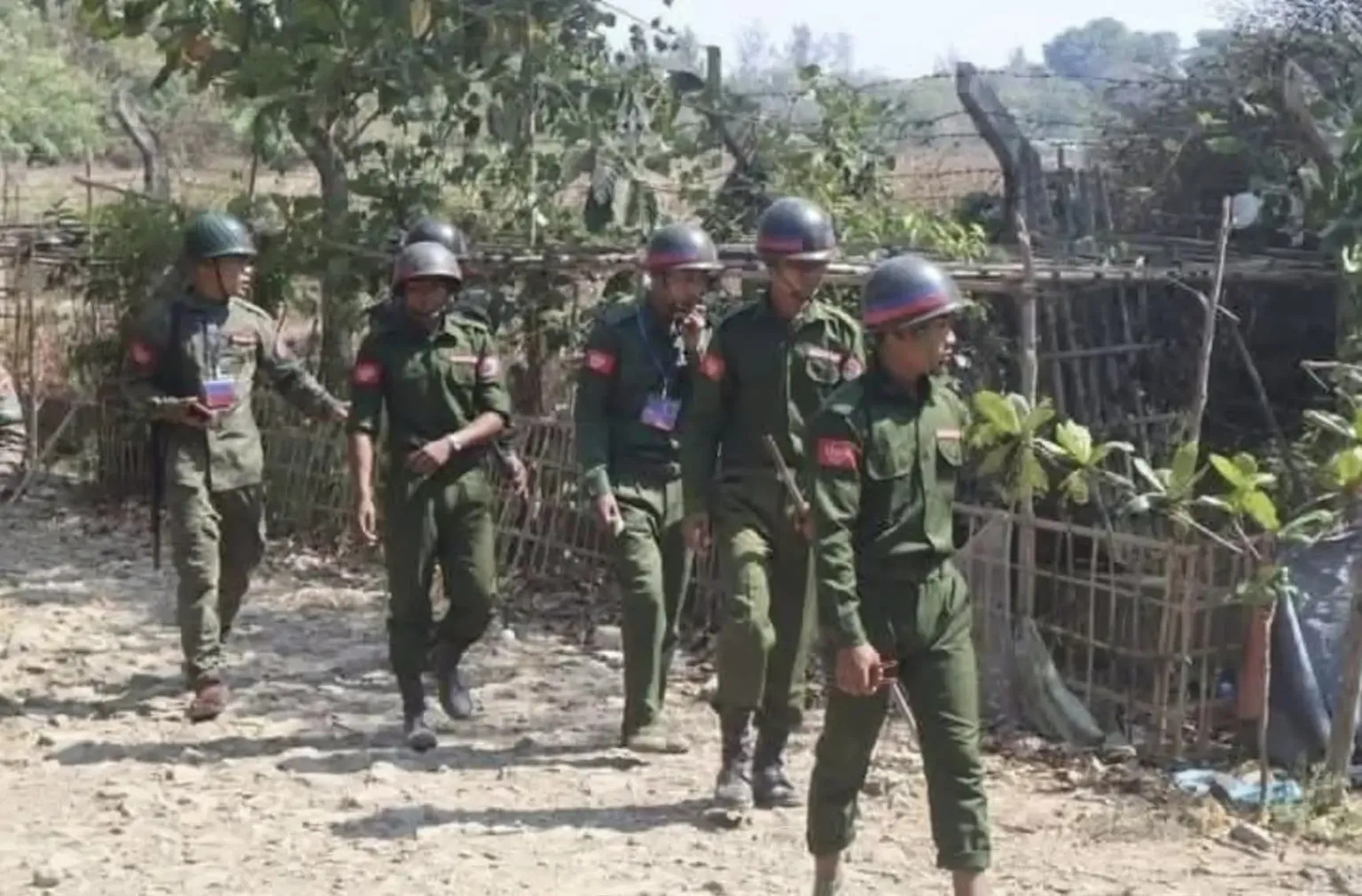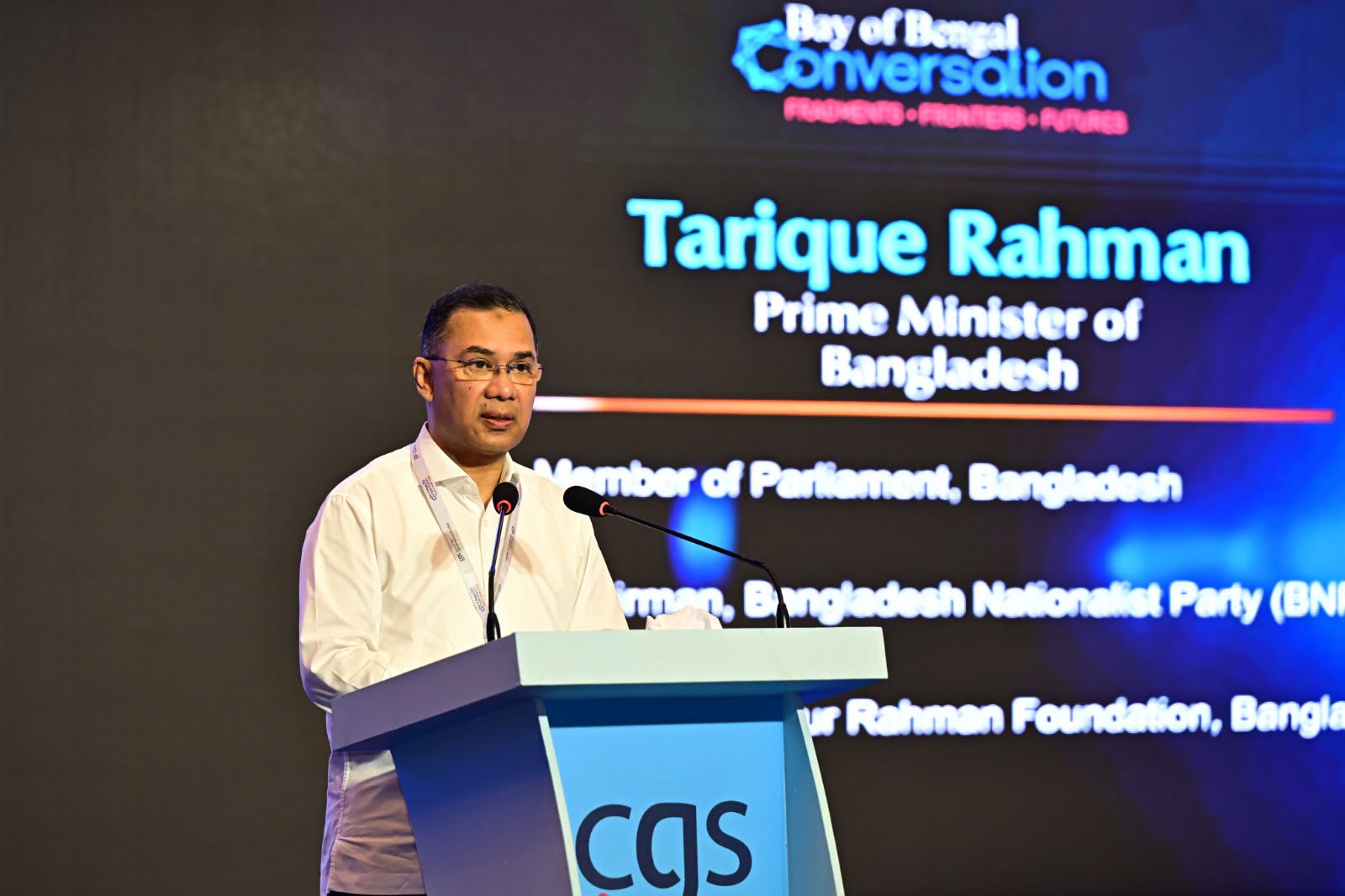
Bangladesh Prime Minister Tarique Rahman has called for a lasting solution to the Rohingya crisis in Myanmar, stressing that the rohingya must be able to return home voluntarily, safely and with dignity.
“The crisis originated in Myanmar, and its solution must also be found in Myanmar,” he said while inaugurating the Bay of Bengal Conversation 2026 in Dhaka on Saturday.
According to Jamuna News, the prime minister reiterated that the early, voluntary, safe, dignified and sustainable repatriation of Rohingyas remains Bangladesh’s principal objective.
Bangladesh continues to host nearly 1.2 million Rohingya, placing a prolonged humanitarian and economic responsibility on the country, he said, calling for sustained international political support and financial assistance to resolve the crisis.
Tarique emphasised that repatriation alone would not be sufficient without addressing the underlying causes of displacement in Myanmar.
Bay of Bengal cooperation
Turning to regional prospects, the prime minister said Bangladesh’s strategic geographical position offers significant opportunities to strengthen economic connectivity across the Bay of Bengal and beyond.
Seaports, maritime routes and the coastal economy could play a greater role in connecting the country with international markets, particularly through shipping, fisheries, tourism, energy and regional supply chains.
He called for deeper cooperation in trade, energy, education, technology, climate action and maritime affairs, saying stronger people-to-people relations could help build shared prosperity across the region.
Bangladesh, he said, remains committed to dialogue, partnership and mutual respect while protecting its national interests and sovereignty and engaging constructively with regional and international partners.
Five-year development priorities
The prime minister also outlined his government's five-year development priorities, focusing on national interests, policy continuity, economic stability and institutional reform.
He highlighted planned initiatives in investment, employment, healthcare, education, agriculture, water security and environmental protection.
Under the proposed social protection framework, the government plans to introduce Family Cards, Farmer Cards, Health Cards and Universal Cards.
He also announced plans to recruit 100,000 healthcare workers to expand services at the grassroots level, with women expected to account for around 80% of the workforce.
In education, Tarique said the government aims to create a more engaging learning environment by integrating culture, sports, values and ethics into the education system.
Plans include providing free uniforms, schoolbags, midday meals and scholarships from the first grade, alongside expanding free education for girls through the undergraduate level.
BOB Post