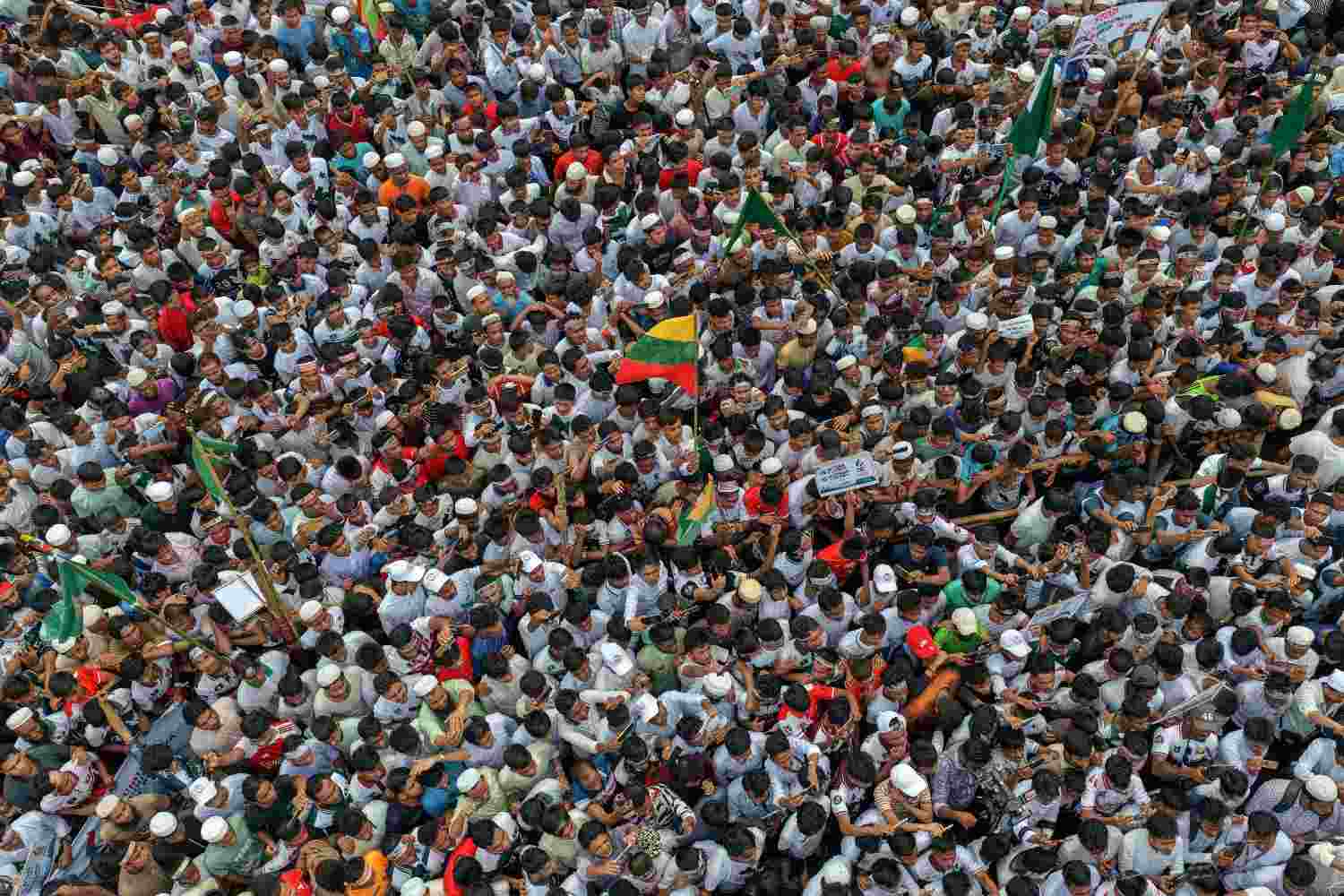
Myanmar’s ongoing Spring Revolution faces a crucial test over whether it can build an inclusive political system that recognizes the rights and citizenship of the Rohingya, according to an analysis published by The Irrawaddy.
The article says Bangladesh has submitted 828,824 Rohingya names for repatriation, but Myanmar’s authorities have verified only 308,797 as former residents of Rakhine State, while more than 113,000 remain unverified. Despite years of verification efforts, not a single Rohingya has returned under the current process.
The deeper obstacle is not simply logistics but the question of whether Rohingya will be recognized as equal members of Myanmar’s political community. The article argues that repatriation cannot succeed without citizenship, security, land and livelihood rights, and political representation.
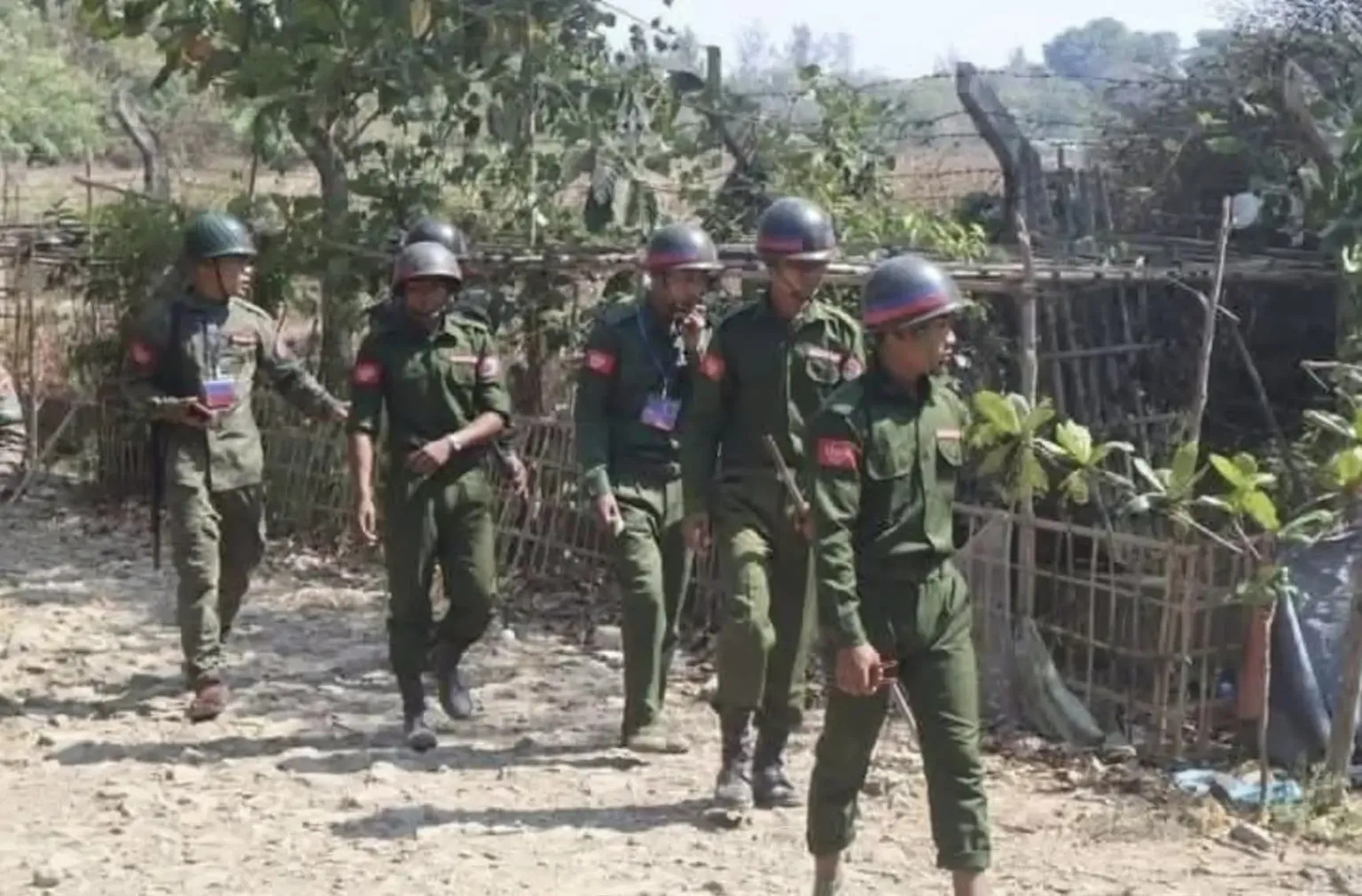
The situation is further complicated by the Arakan Army’s control over most of Rakhine State. Although Myanmar’s opposition movement has pledged to repeal the discriminatory 1982 Citizenship Law and restore Rohingya citizenship, it currently lacks the territorial control needed to guarantee their safety and rights.
The analysis concludes that Myanmar’s democratic transition will ultimately be measured not only by the removal of military rule but also by whether Rohingya can return home with citizenship, security, property rights, and a meaningful place in the country’s political system.
BOB Post