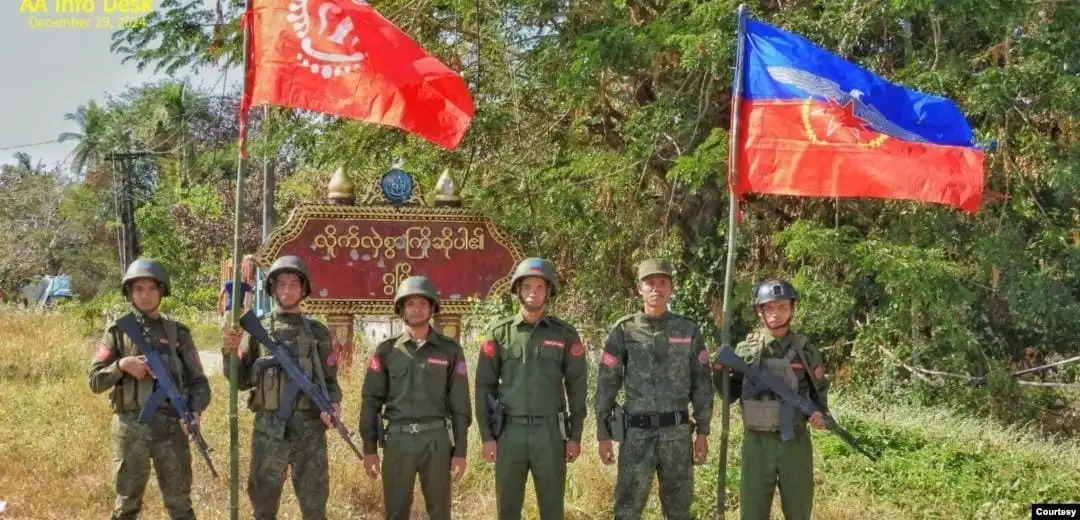
Myanmar's conflict has entered a decisive new phase as the Arakan Army (AA) has expanded its control across much of Rakhine State, reshaping the military and political landscape in western Myanmar. While the group's rapid territorial gains have altered the balance of power against the military junta, they have also raised pressing questions over civilian protection, governance, minority rights and the long-term implications for regional stability.
The Jamestown Foundation's recent analysis presents the AA as Myanmar's most effective insurgent force, highlighting its battlefield victories, territorial expansion and the development of parallel administrative institutions. While the report acknowledges the group's remarkable military evolution, its emphasis on operational success gives comparatively little attention to the growing body of concerns surrounding the AA's conduct in areas under its control and the humanitarian consequences of its rise.
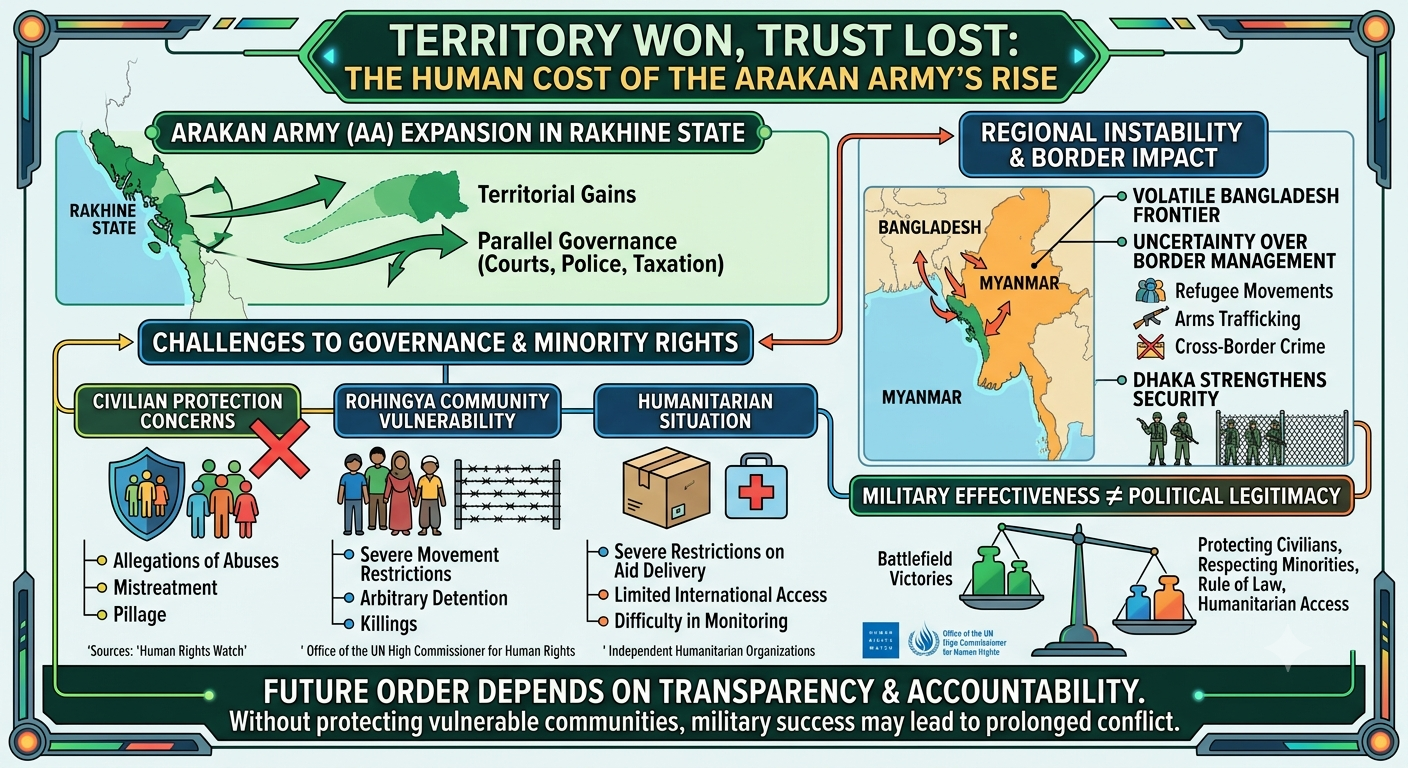
The AA today controls extensive territory across Rakhine State and has established parallel governance structures ranging from courts and police units to taxation systems. Supporters view these institutions as evidence of state-building. Yet governance cannot be measured only by territorial control or administrative expansion. It must also be judged by how authorities treat civilians, protect minority rights and uphold the rule of law.
Those questions have become increasingly difficult to ignore.
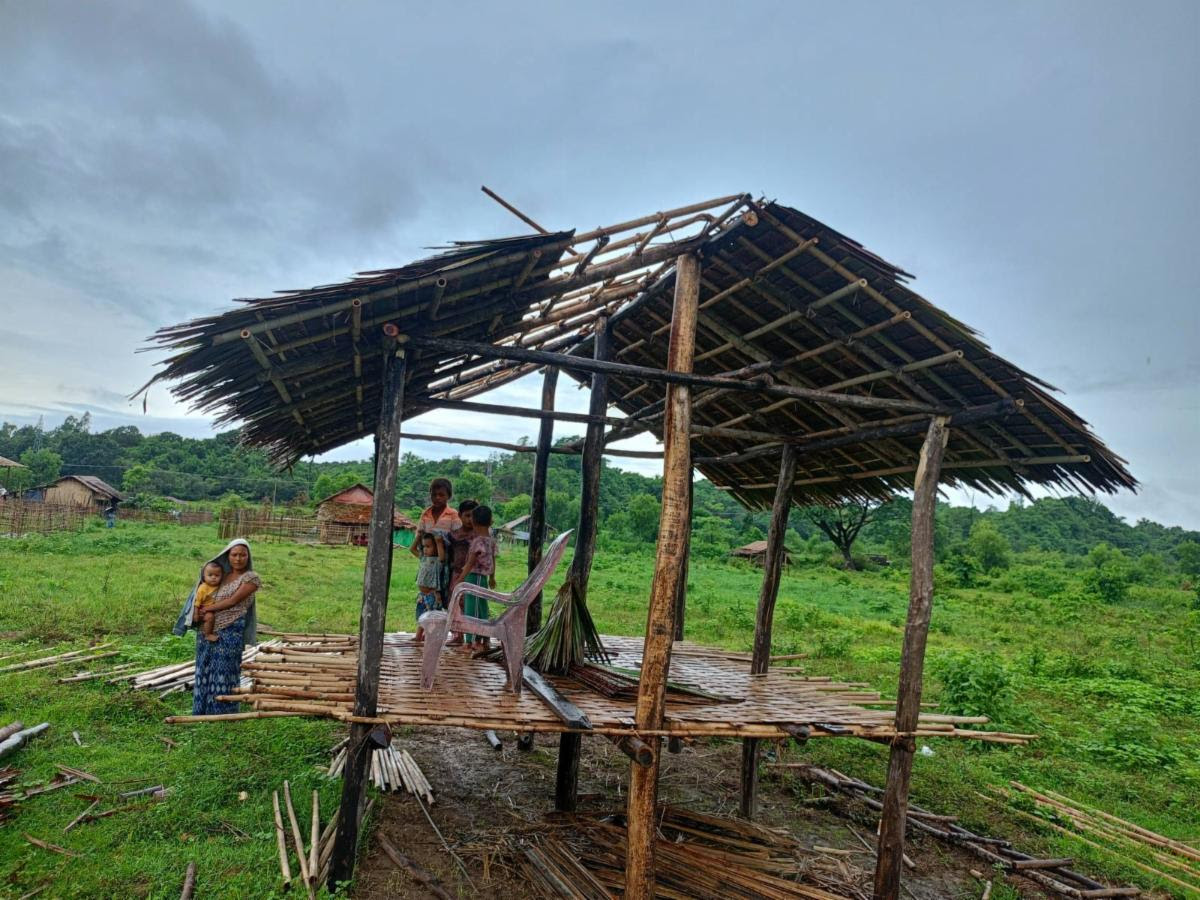
International human rights organizations have documented allegations that the AA has committed serious abuses against Rohingya civilians during its military campaign in northern Rakhine. Human Rights Watch has accused the group of imposing severe movement restrictions, carrying out pillage and mistreatment, and committing grave abuses against Rohingya communities living under its control.
The Office of the UN High Commissioner for Human Rights has similarly reported that violence against Rohingya continued in AA-controlled territory, including allegations of arbitrary detention, enforced disappearances, killings, denial of humanitarian access and sexual violence, while acknowledging that independent verification remains challenging because of restricted access.
These allegations do not diminish the brutality of Myanmar's military, whose long record of atrocities against civilians remains well documented. But they challenge the narrative that the AA represents a fundamentally different model of governance. Instead, rights groups increasingly warn that Rohingya civilians remain vulnerable regardless of which armed actor controls the territory.
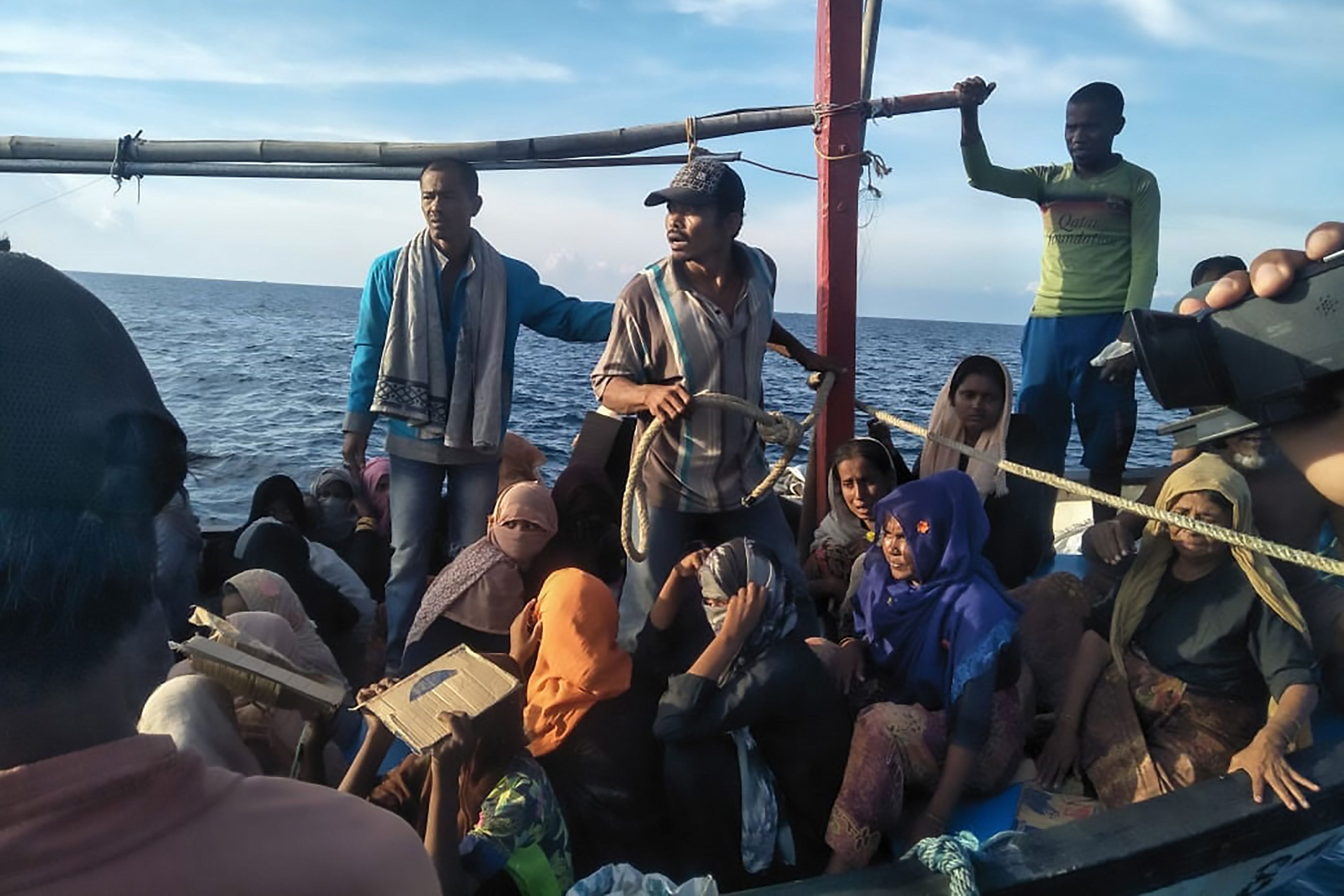
The humanitarian consequences extend beyond Rakhine itself.
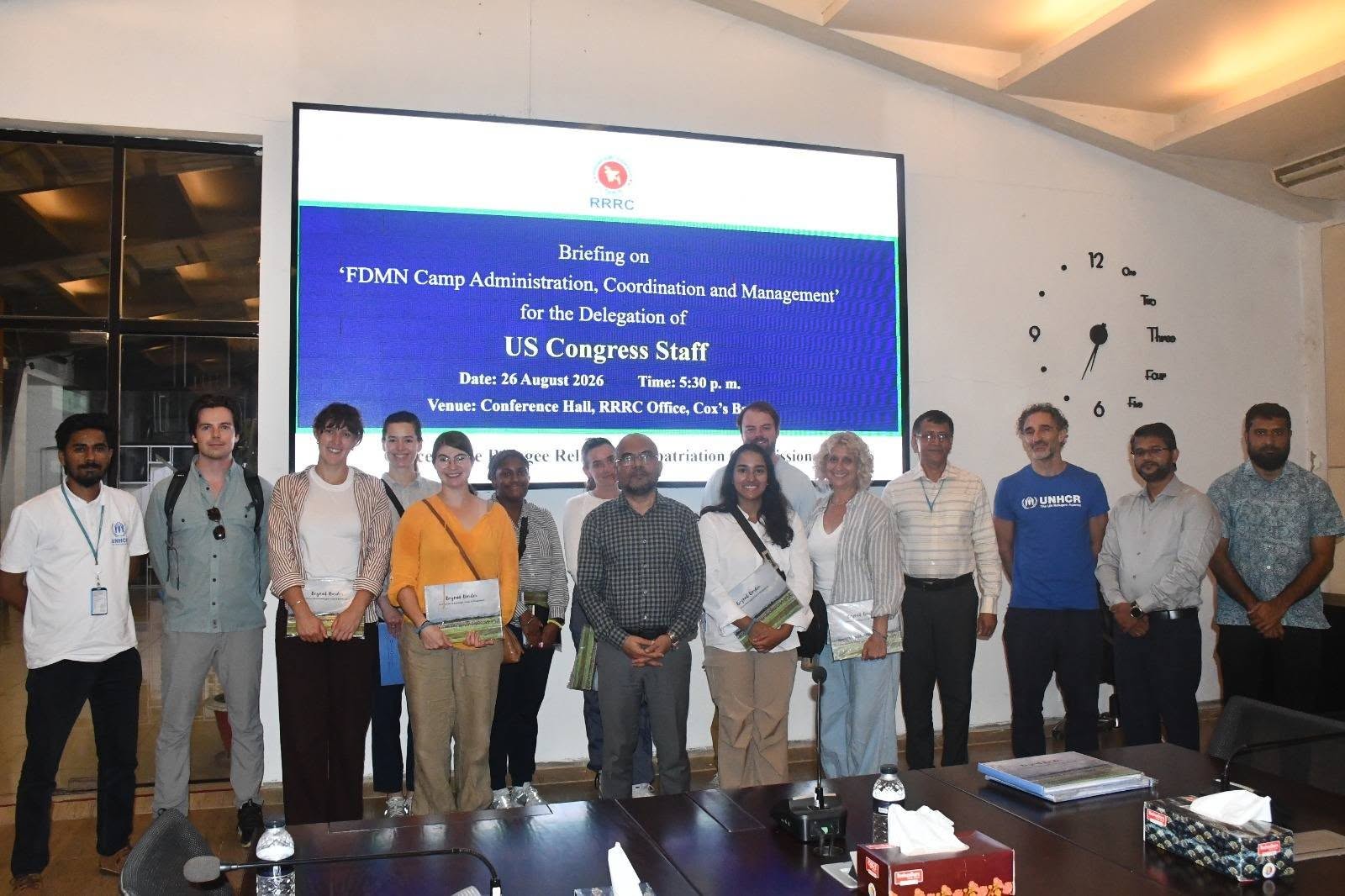
Bangladesh now faces an increasingly volatile frontier as the AA has assumed control over much of the Myanmar side of the shared border. While the weakening of junta forces has altered the military balance, it has also created fresh uncertainty over border management, cross-border crime, arms trafficking and refugee movements. Dhaka has responded by strengthening border security amid concerns that continued instability in Rakhine could further complicate an already fragile humanitarian situation.
At the same time, independent humanitarian organizations continue to report severe restrictions on aid delivery and civilian movement inside conflict-affected areas. Limited international access has made impartial monitoring increasingly difficult, raising concerns about transparency and accountability under AA administration.
The Jamestown analysis rightly highlights the AA's remarkable military evolution from a relatively small insurgent force into one of Myanmar's most formidable armed groups. Yet military effectiveness alone is an incomplete measure of political legitimacy.
History offers many examples of insurgent movements that won territory through force but struggled to establish inclusive governance once military victories were secured. Durable political authority depends not only on defeating opponents but also on protecting civilians, respecting minority communities, permitting humanitarian access and creating institutions that operate under the rule of law.
On those measures, the Arakan Army's record remains deeply contested.
As Myanmar's conflict enters a new phase, international attention should focus not only on who controls territory, but also on how that territory is governed. Without greater transparency, accountability and protection for vulnerable communities including the Rohingya the AA's military success may ultimately be remembered less as the foundation of a stable new political order than as the emergence of another powerful armed authority in a country already scarred by decades of conflict.
BOB Post