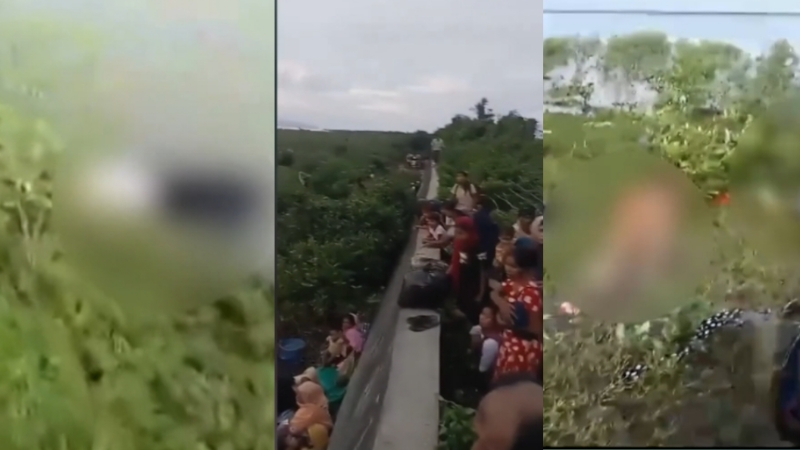
Two years after one of the deadliest incidents of Myanmar's ongoing conflict, the banks of the Naf River remain a symbol of grief for thousands of Rohingya families who lost loved ones while trying to escape violence in Rakhine State.
On 5 August 2024, thousands of Rohingya civilians including women, children and elderly people gathered along the Naf River near Maungdaw, hoping to cross into Bangladesh as fighting intensified in western Myanmar. Carrying little more than their children and a few personal belongings, they believed the river offered their last chance for survival.
Instead, according to survivors, the riverbank turned into a scene of devastation.
Witnesses told international media that explosions struck crowds waiting to cross the border, causing heavy civilian casualties. Survivors described drone strikes and mortar fire that sent families fleeing in panic, leaving bodies scattered along the riverbank and in the water.
Among those who survived was a Rohingya man identified by the pseudonym Fayaz, whose account was published by the BBC. He said his family was attempting to reach Bangladesh when an explosion killed his sister-in-law and critically injured her infant. Fayaz tried to save the child, but the baby later died in his arms. Unable to carry the body aboard an overcrowded boat, he said he buried the child on the riverbank before continuing his journey to safety.
Another survivor, identified as Nisar, told the BBC that he lost his mother, wife, son, daughter and sister in the attack. "My heart is broken. I have lost everything," he said, adding that only videos of his family's final moments remain.
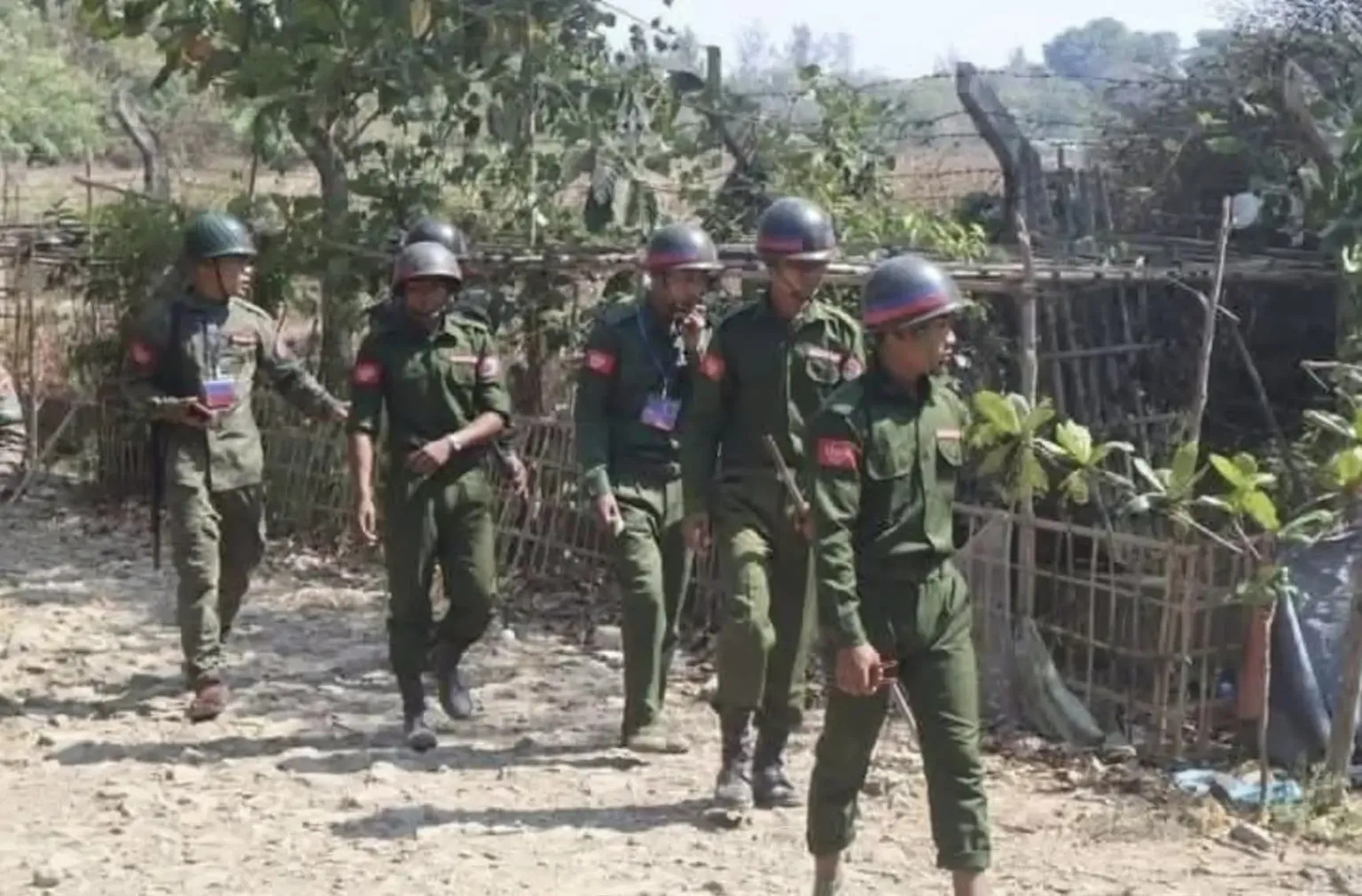
Many Rohingya survivors alleged that the attacks were carried out by the Arakan Army, the powerful ethnic armed group that has gained control over large parts of Rakhine State during its conflict with Myanmar's military. The Arakan Army has denied responsibility, saying the incident did not occur in territory under its control and rejecting the allegations.
Human rights organizations, including Fortify Rights, have called for an independent international investigation into the incident, citing the need to establish accountability for the deaths of civilians.
The Naf River tragedy unfolded against the backdrop of Myanmar's widening civil war, which intensified in Rakhine during 2024. As clashes between the Myanmar military and the Arakan Army escalated, Rohingya communities once again found themselves trapped between rival forces, prompting many to flee toward the Bangladesh border.
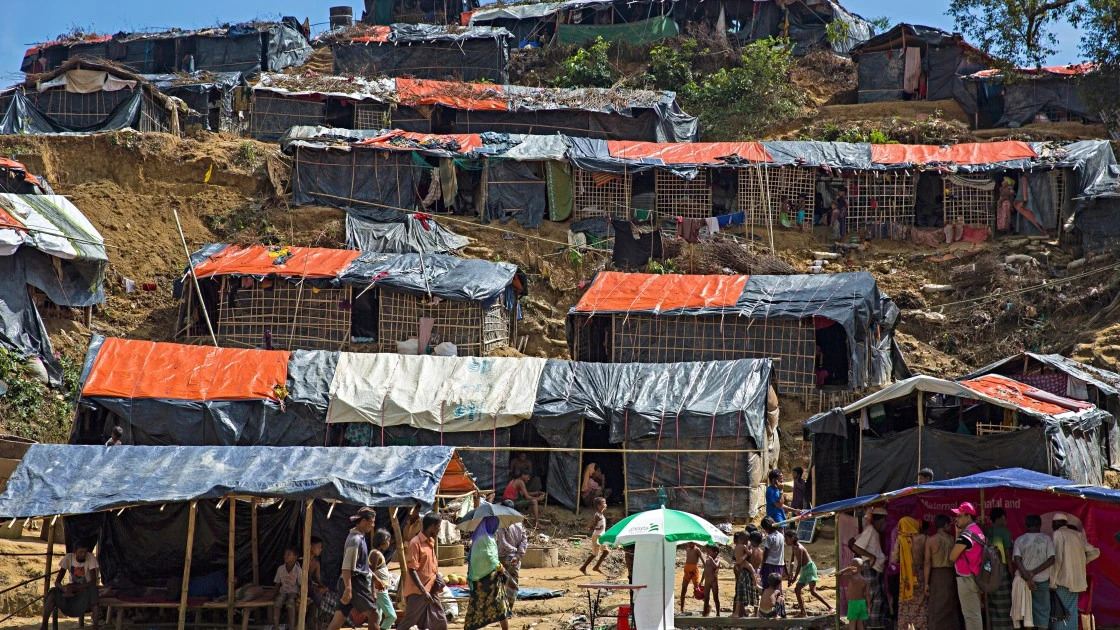
The incident added another painful chapter to the Rohingya crisis, which has persisted for years. Since the Myanmar military's 2017 operations in Rakhine forced more than 700,000 Rohingya to flee to Bangladesh, hundreds of thousands have remained in refugee camps in Cox's Bazar, awaiting a safe, voluntary and dignified return to their homeland.
As of 2026, prospects for repatriation remain uncertain. Continued conflict in Rakhine, insecurity, and the absence of guarantees on citizenship and fundamental rights have prevented large-scale returns, while humanitarian needs in Bangladesh's refugee camps continue to grow.
For many Rohingya families, 5 August is no longer simply a date on the calendar. It is a day of remembrance for parents, children and relatives who never completed their journey across the Naf River. Survivors continue to urge the international community to ensure an impartial investigation into the tragedy and to pursue accountability for those responsible, while renewing calls for a lasting solution that would allow the Rohingya to return home safely and with dignity.
BOB Post