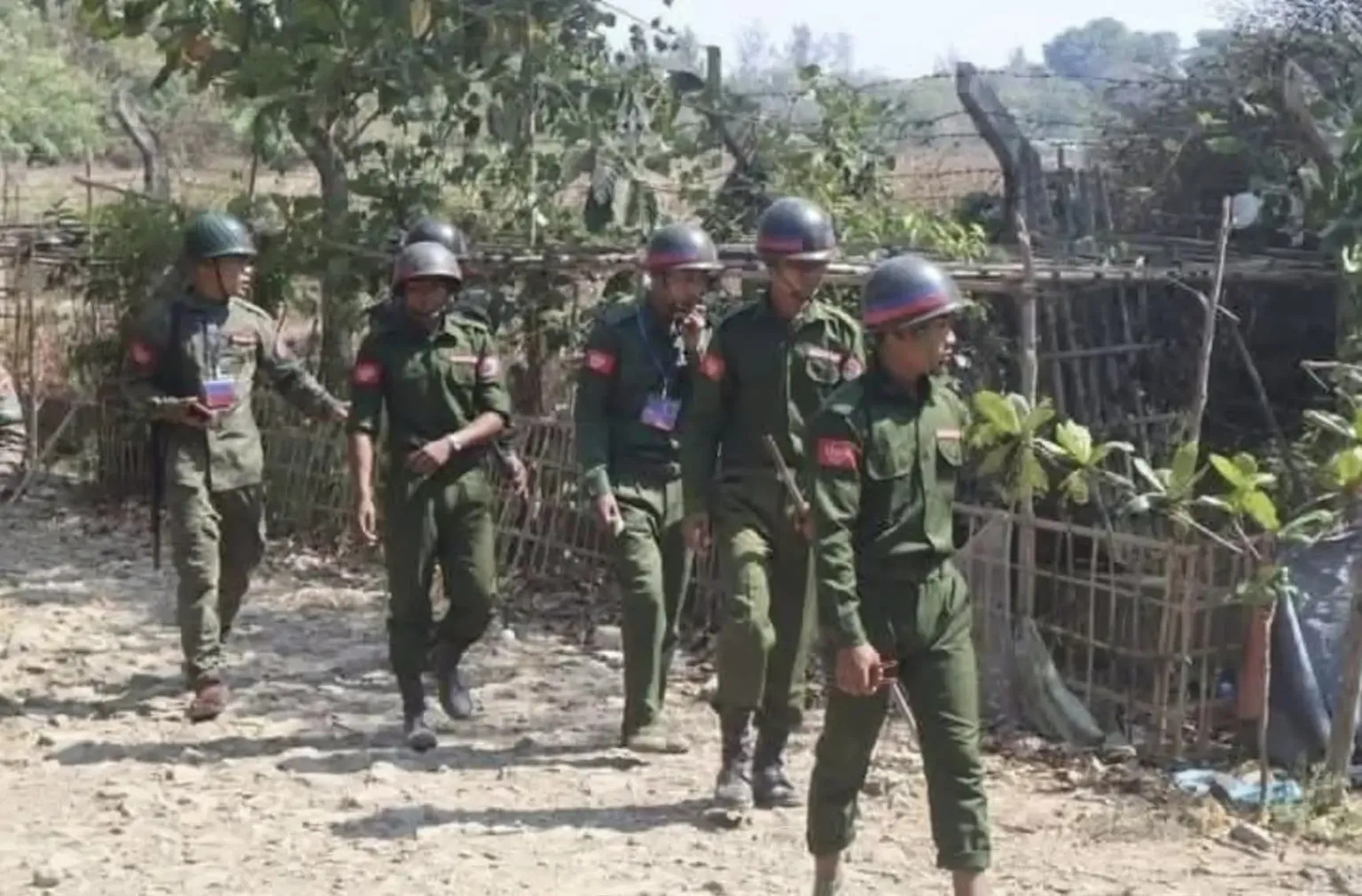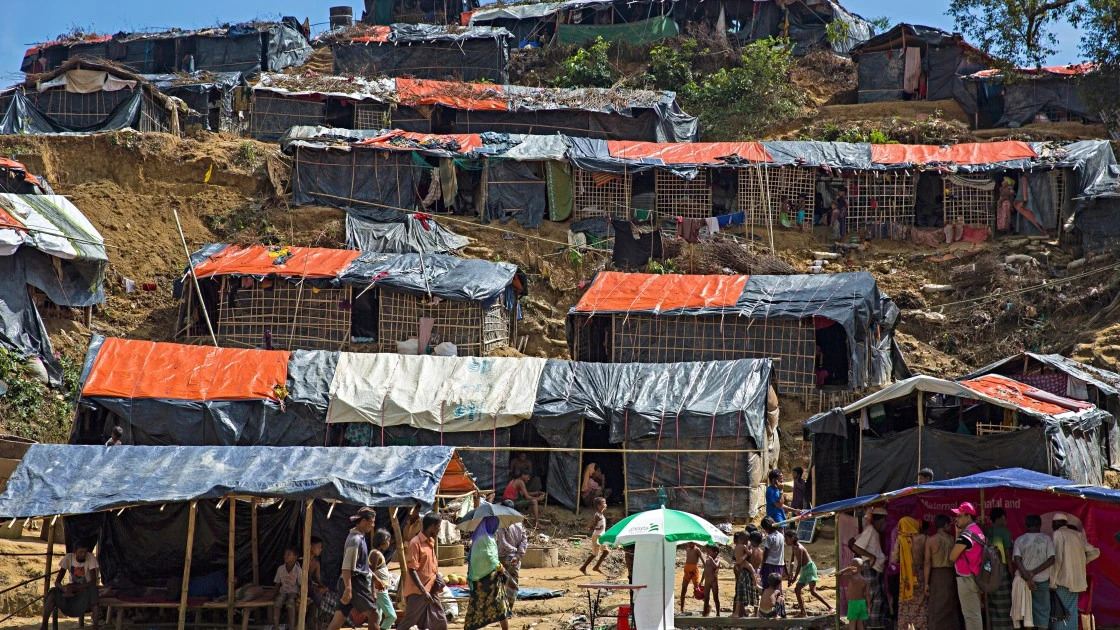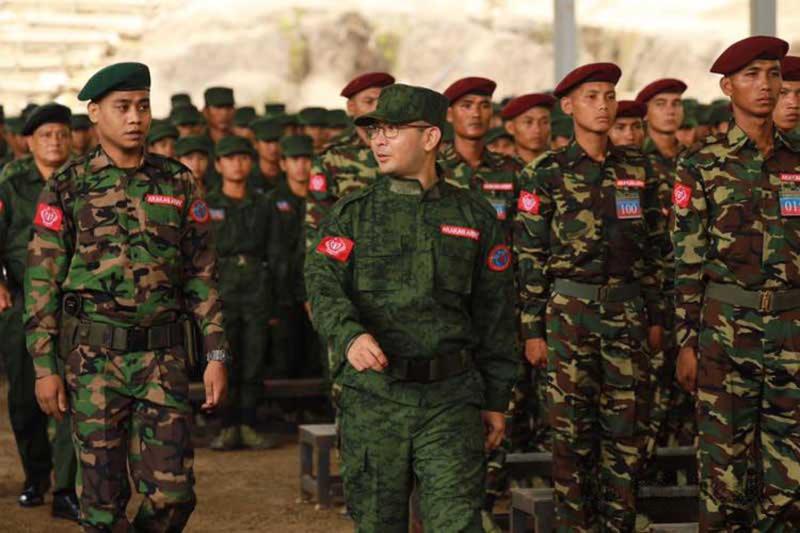
Across northern Rakhine, the Rohingya crisis is taking a new and increasingly regional turn. Violence, displacement and the loss of homes continue to push civilians towards Bangladesh. A new report has accused the Arakan Army (AA) of killings, arbitrary detention, sexual violence, forced displacement and property seizures in Buthidaung and Maungdaw.
The report was prepared by the Department of Public Relations and Information (DPRI), the communications and information wing of the Arakan Rohingya Salvation Army (ARSA). It documents more than 1,504 Rohingya civilians who were allegedly killed, detained, subjected to sexual violence or forcibly disappeared between 2022 and March 2026.
The period covered by the report saw major fighting between the Myanmar military and the AA. Rohingya communities were caught in the middle. Many faced attacks, movement restrictions and displacement, forcing some to flee towards safer areas and Bangladesh.
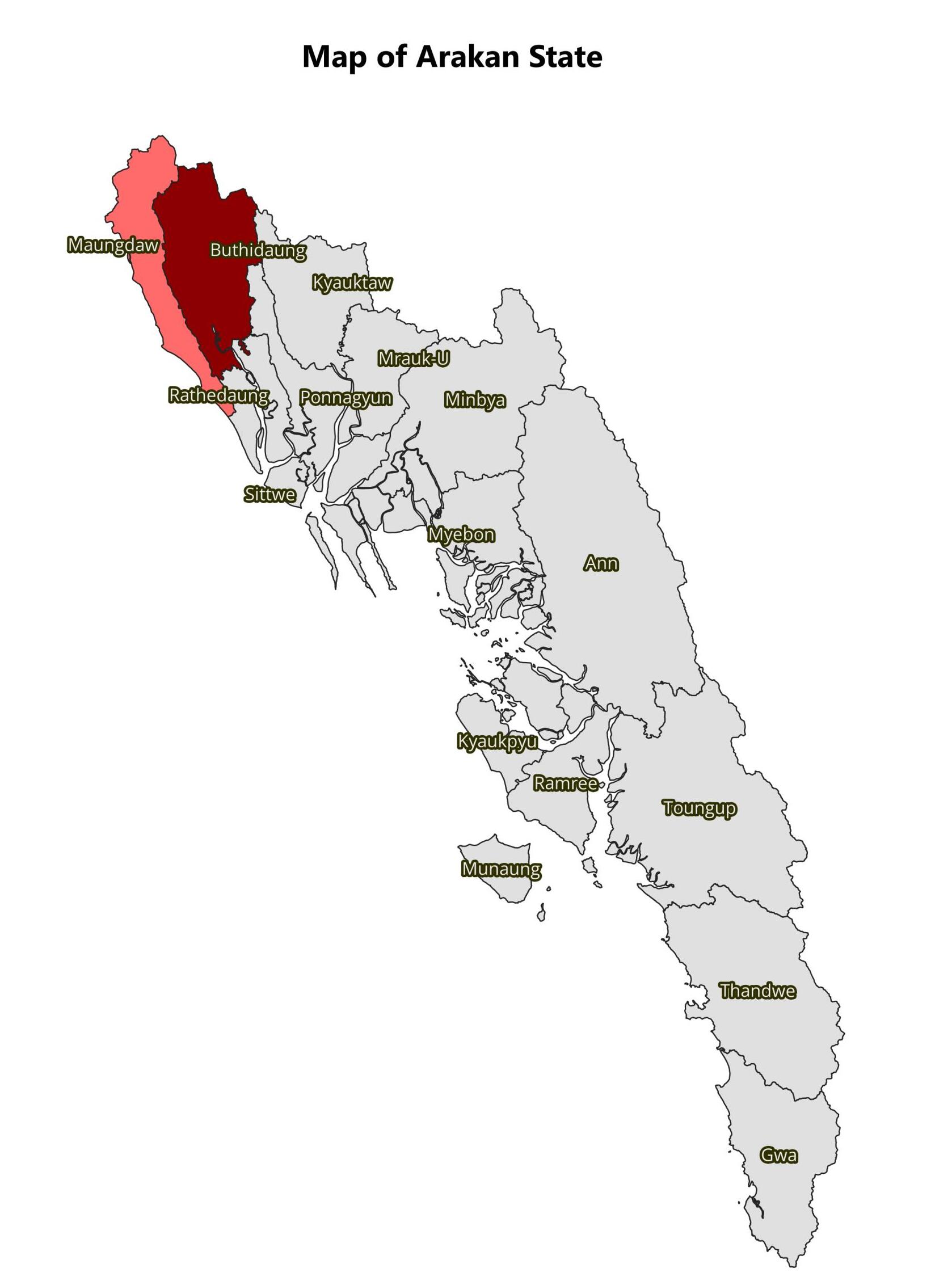
DPRI says it verified 823 individual victims from the 1,504 cases. The alleged abuses include killings, arbitrary detention, enforced disappearance, torture, sexual violence, forced recruitment, extortion and the destruction or seizure of property.
The report also warns that the actual number of victims could be much higher. It says many victims could not be identified or documented.
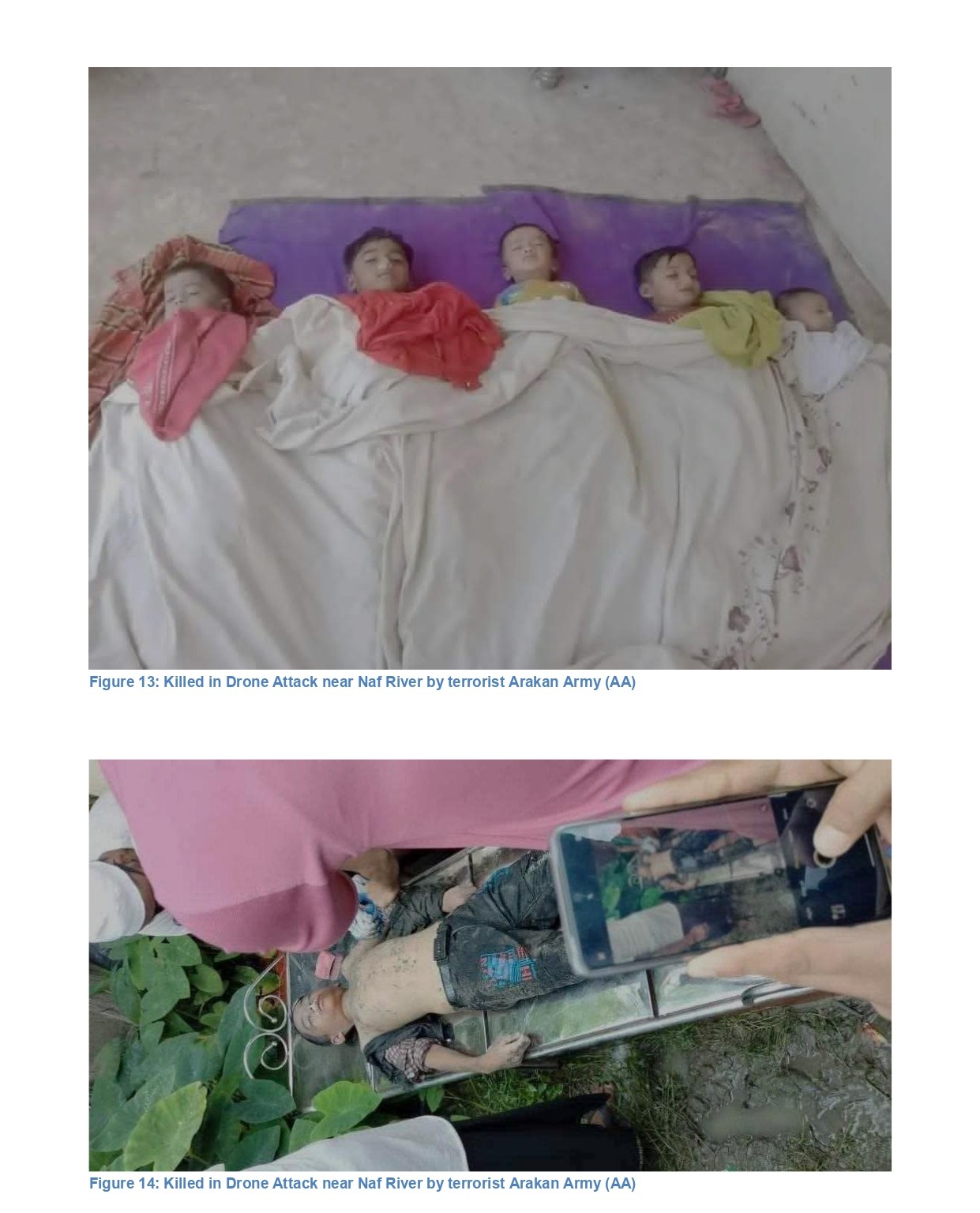
One of the most serious allegations concerns the violence in August 2024, when thousands of Rohingya civilians gathered near the Naf River in an attempt to reach Bangladesh.
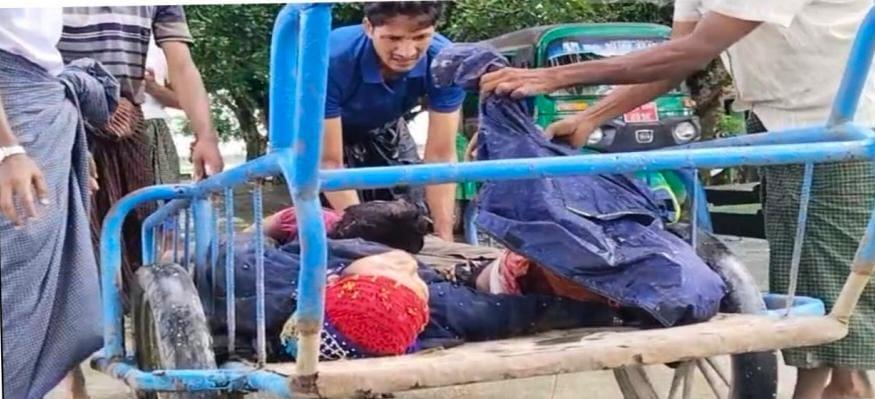
According to the DPRI report, more than 400 Rohingya civilians were killed on August 5 and 6 during attacks and the desperate flight towards the river. The alleged victims included men, women, pregnant women, children, elderly people and people with disabilities.
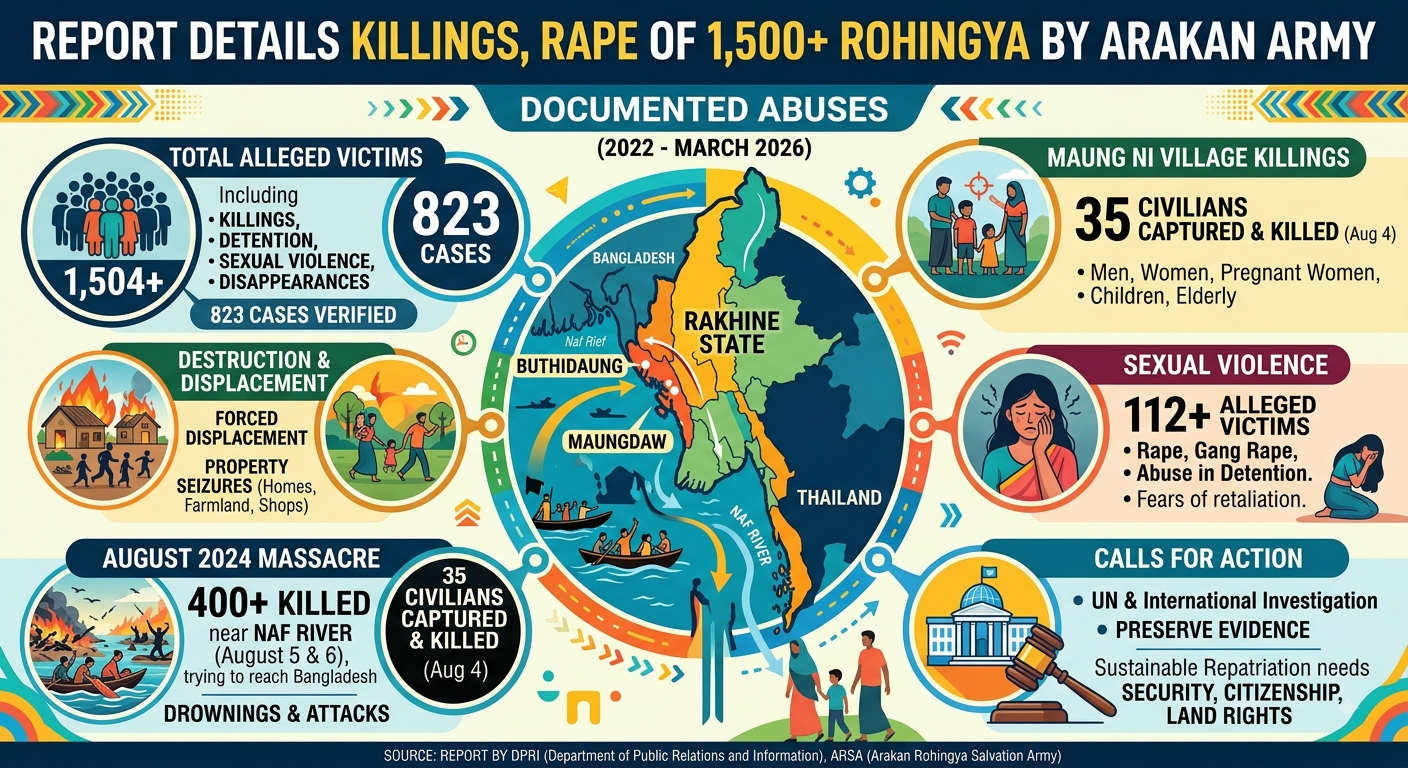
The report describes the Naf River episode as one of the deadliest incidents involving Rohingya civilians during the period under review. It says more than 200 people were killed while trying to cross into Bangladesh. Some reportedly drowned after boats capsized, while others were attacked as they tried to escape.
Hundreds were also injured, while families were separated during the chaotic exodus, according to the report.
Another incident cited by DPRI took place in Maung Ni village on August 4, 2024. The report says 35 Rohingya civilians who remained in the village after others fled were captured and killed.
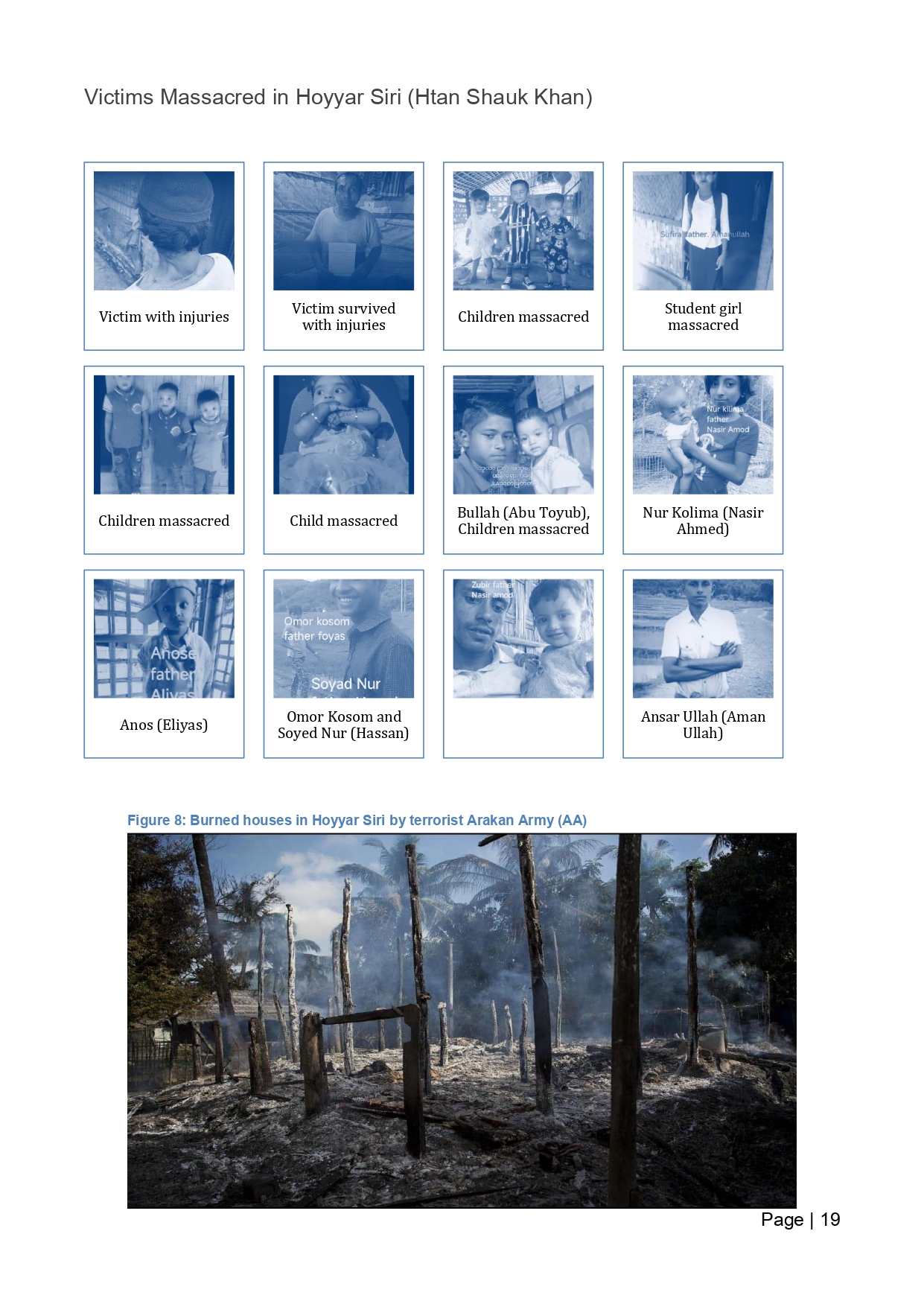
The alleged victims included 16 men and 19 women. Among them were elderly people, children, religious figures and two pregnant women, according to testimonies collected by DPRI.
The report also highlights alleged sexual violence against Rohingya women and girls. It records more than 112 alleged victims between 2024 and March 2026.
The cases reportedly include rape, gang rape, sexual abuse in detention and other forms of sexual violence. DPRI says many victims have been reluctant to report such abuses because of fear of retaliation, social stigma and a lack of effective protection.
The report also points to a growing property dispute in areas affected by displacement. It alleges that Rohingya homes, farmland, shops, businesses, livestock and other assets have been confiscated, occupied or redistributed after communities were displaced.
Such developments could further complicate any future repatriation. Displaced families may return to find their homes destroyed and their land or businesses occupied by others.
The allegations are particularly significant for Bangladesh, which continues to host a large Rohingya refugee population. Violence in northern Rakhine has repeatedly spilled across the border, with civilians fleeing towards the Naf River when fighting and insecurity intensify.
For Bangladesh, the issue also comes at a sensitive time as efforts continue to prepare the ground for the eventual repatriation of Rohingya refugees.
Any return process would need to address more than physical security. Citizenship rights, freedom of movement, land ownership and the restoration of livelihoods would also be key concerns.
DPRI has called on the United Nations and international accountability mechanisms to investigate the alleged abuses. It has also urged them to preserve evidence related to killings, sexual violence, arbitrary detention, forced displacement and property confiscation.
The report says its findings are based on interviews, victim records, eyewitness accounts, photographs, videos and other supporting materials. DPRI says cases were cross-checked where possible.
However, the report comes with an important qualification. DPRI identifies itself as a department of ARSA, and its allegations against the AA have not been independently verified by an international investigative body.
Still, the allegations add to growing concerns over the conditions facing Rohingya communities in northern Rakhine. As Myanmar's conflict continues to reshape the region, the Rohingya remain among those bearing its heaviest human cost.
For any future return to be safe and sustainable, questions of security, accountability, land and basic rights will need to be addressed. Without those guarantees, repatriation could remain a political goal rather than a genuinely safe return for the refugees.
BOB Post