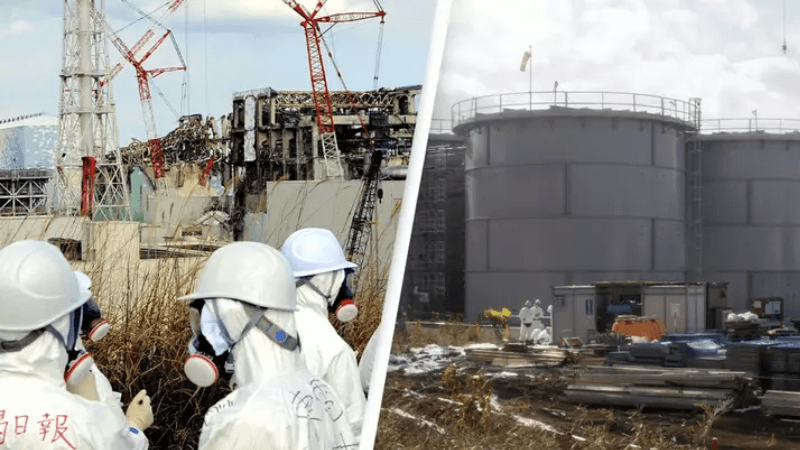
Amidst growing international and domestic concerns, Japan is gearing up for the fourth release of treated wastewater from the Fukushima Daiichi nuclear power plant into the Pacific Ocean in late February 2024. The move, a critical step in decommissioning the crippled facility, rekindles environmental fears and exacerbates tensions over long-term health risks.
The planned discharge involves approximately 7,800 cubic meters of treated water, mirroring the three previous releases that began in August 2023. The filtration process targets radioactive isotopes like tritium and cesium before directing the water about 1 kilometer offshore. Tokyo defends the safety of this process, emphasizing rigorous filtration and adherence to international regulations.
Despite the Japanese government's assurances, neighboring countries like South Korea and China remain skeptical, imposing import bans on Japanese seafood due to contamination concerns. Environmental groups and local communities in Japan also voice opposition, questioning the efficacy of the filtration and raising alarms about potential impacts on marine life and ecosystems.
While the International Atomic Energy Agency acknowledges the treated water's compliance with safety standards, independent researchers express concerns over the potential accumulation of radionuclides in the food chain. Doubts persist about the transparency of Tokyo's monitoring practices, further intensifying the global scrutiny surrounding the Fukushima water release.
The Fukushima disaster of 2011 left a deep psychological scar on Japan, and the planned water release reopens old wounds, heightening fear and distrust. The success of Japan's efforts hinges on transparent communication, robust independent monitoring, and active engagement with stakeholders both at home and abroad.
BOB Post