

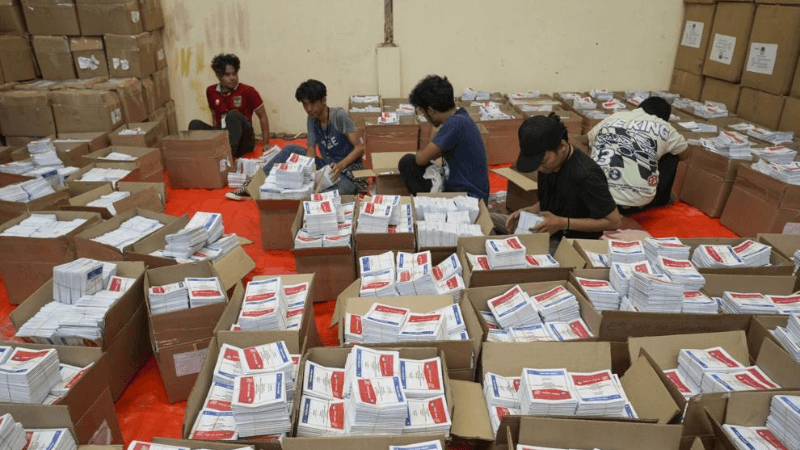

The presidential election in Indonesia is gaining intensity as a televised debate on defense and international affairs sparks heated exchanges. The debate, held on January 7, saw Prabowo Subianto, the current defense minister and a leading presidential candidate, facing criticism about his temperament from contender Anies Baswedan. Anies aimed to portray Prabowo as lacking the temperament for composed and level-headed leadership, raising questions about his suitability for the presidency.
Anies, the former Jakarta governor, targeted Prabowo's track record in the defense ministry during the debate. He criticized the ministry's handling of its budget, citing a 2023 hack of its website and questioning the purchase of used Mirage jet fighters from Qatar. Ganjar Pranowo, another candidate, also joined the criticism, emphasizing the need for defense strategy and questioning the purchase of used weaponry.
The debate highlighted tensions and provided a platform for candidates to scrutinize each other's policies and decisions. Prabowo defended the defense ministry's plans, stating that military aircraft and warships have a significant lifespan, and the purchase of Mirage fighters poses no problem. However, the debate showcased Prabowo on the defensive, facing criticism on various fronts.
While the impact of the debate on Prabowo's electability remains uncertain, a post-debate poll by the Jakarta daily Kompas indicated that Ganjar scored the highest approval rating, followed by Anies. Prabowo received below 49%, indicating potential challenges for the leading candidate. With the possibility of a second round in June if no candidate secures over 50% of the vote, the dynamics of the race are evolving, raising questions about potential coalitions and alliances among candidates.
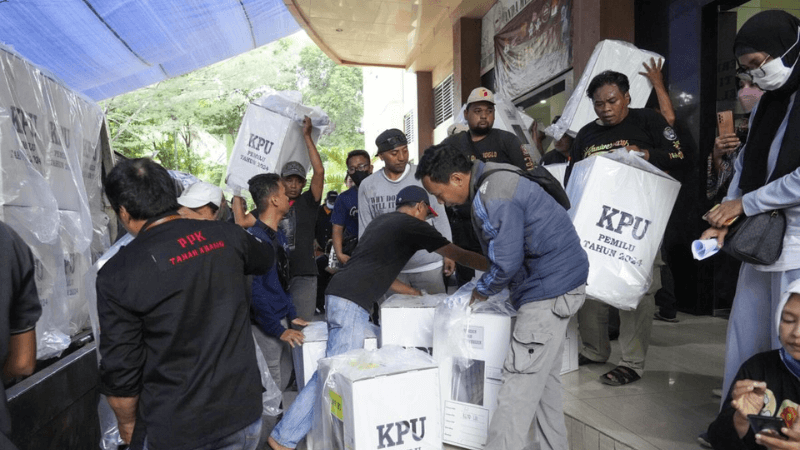
As the election date approaches on February 14, the candidates navigate a complex political landscape, addressing issues ranging from defense strategies to foreign policy, including concerns related to the South China Sea. The outcome of the election will have significant implications for Indonesia's future direction and its role in regional and international affairs.
BOB Post