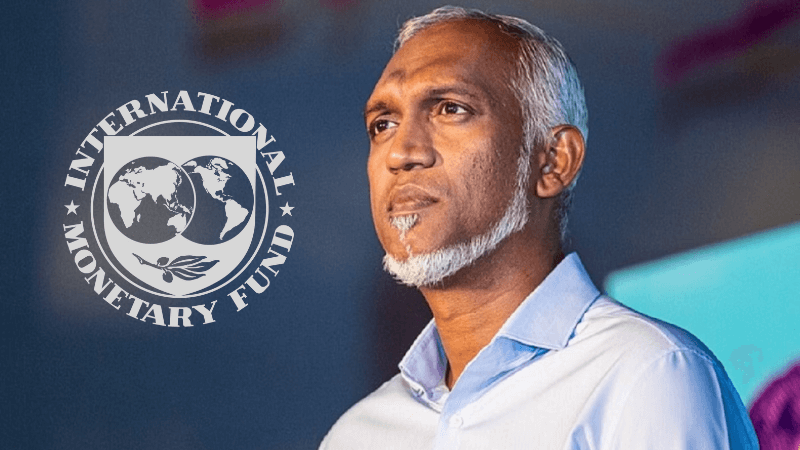
The Maldives faces a looming debt crisis, prompting a stern warning from the International Monetary Fund (IMF) due to its heavy reliance on Chinese financing. The picturesque archipelago, heavily dependent on tourism, turned to China for loans, with Chinese financing constituting 45 percent of the nation's national debt, totaling USD 1.5 billion. The IMF identifies the Maldives as one of nine countries facing debt distress or at high risk due to Chinese loans, emphasizing China's dominance in the Maldives' debt portfolio.
Historically aligned with India, the Maldives has shifted allegiance toward China, impacting regional power dynamics. The IMF's warning serves as a wake-up call, urging urgent policy adjustments to mitigate the risk of debt distress. China, holding 53 percent of the Maldives' external public debt, plays a crucial role in the nation's economic landscape, with loans from institutions such as the Export–Import Bank of China, Industrial and Commercial Bank of China (ICBC), and China Development Bank (CDB).
The president's inclination towards China, a major lender to the Maldives, has impacted diplomatic ties. The tourism-dependent island nation suffered a significant blow when leaders, including a suspended minister, made derogatory remarks against PM Narendra Modi, leading to widespread calls for a boycott. This uproar prompted travel agencies like EaseMyTrip to suspend all Maldives flight bookings, advocating for visits to Indian destinations like Lakshadweep. The controversy also witnessed the promotion of alternative tourist places by personalities like Virender Sehwag and Akshay Kumar. The Maldives President's call for the withdrawal of Indian troops further escalated tensions in bilateral relations, with demands for Indian troop removal, affecting the approximately 70 troops stationed there.
In response to the economic challenges exacerbated by the pandemic, the G20 initiated the Debt Service Suspension Initiative (DSSI). China reduced the Maldives' loan repayment figure for 2024 to USD 75 million, down from the initial obligation of USD 100 million, as part of this initiative. However, the IMF emphasizes the need for thorough discussions regarding the repayment terms for remaining loans acquired through state-owned companies.
The Maldives' debt dilemma extends beyond economic concerns, reflecting geopolitical shifts and the delicate balance between strategic partnerships, economic development, and debt sustainability. The nation must navigate the complexities of global finance and geopolitical interests to safeguard its future.
BOB Post