In the quiet hours before dawn, when truth still has a chance to slip past the checkpoints of power, Myanmar’s generals are busy inventing new ways to chase it across borders. They have decided that the real threat to their rule is not the resistance fighters in the jungles or the protesters in the streets, but the journalists who keep writing about both.
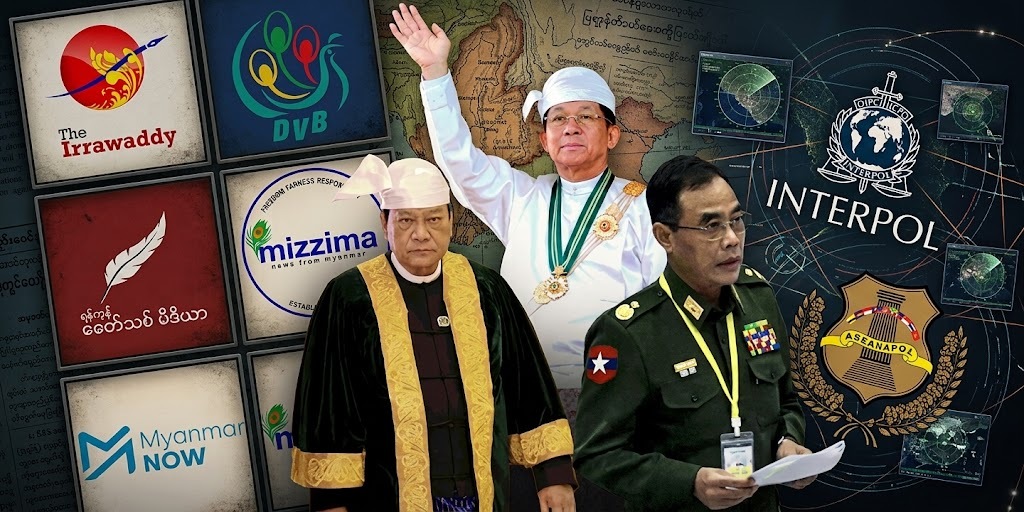
On October 6, the junta’s deputy home affairs minister, Major-General Min Thu, told parliament that the regime had filed cases against five independent media outlets operating in exile-Myanmar Now, Khit Thit, The Irrawaddy, Mizzima and DVB, under the Counter-Terrorism Law, the Telecommunications Law and the Penal Code. He claimed the authorities were seeking “red notices” through Interpol and working with Aseanapol to track down and detain their staff.
A red notice is Interpol’s global alert system for locating and provisionally arresting suspects. Yet Article 3 of Interpol’s own constitution forbids any intervention of a political character. The junta’s move is therefore not a legitimate law-enforcement request; it is an attempt to turn an international police body into an instrument of domestic repression.
The same message was amplified days later in the regime’s mouthpiece newspaper Kyemon. An editorial called for the “elimination of any destructive element inside or outside the country.” Junta leader Min Aung Hlaing, speaking in Dawei on October 13, labelled the same outlets “nation-destroying media” and accused them of misleading the public.
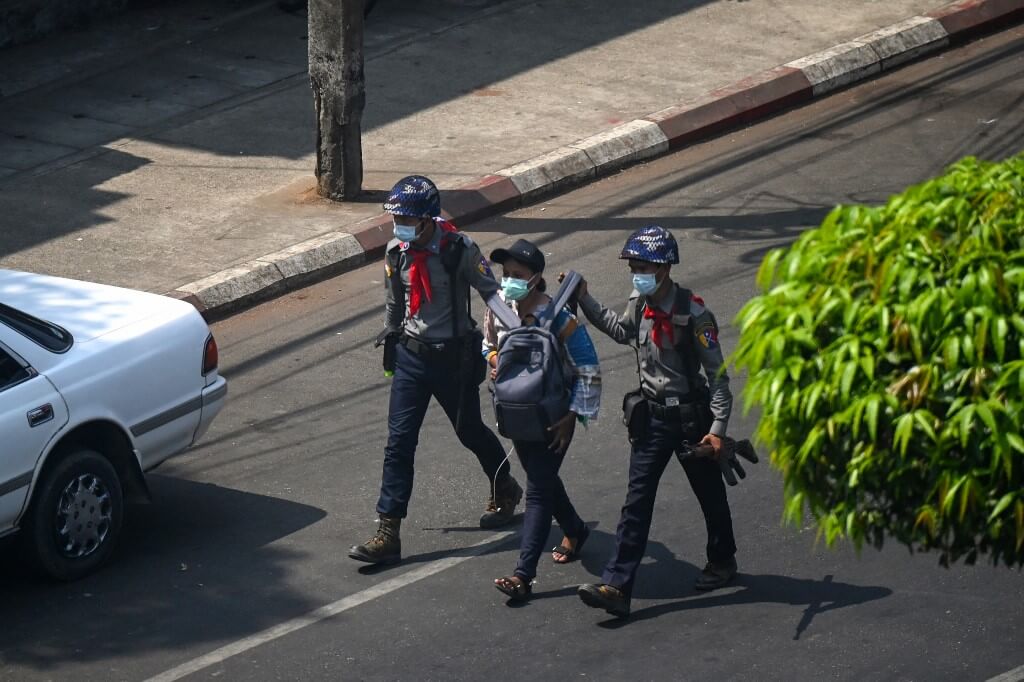
These are not isolated threats. Since the February 2021 coup the military has revoked the licences of independent media, raided newsrooms, arrested at least 227 journalists and killed at least seven, according to the International Centre for Not-for-Profit Law and the Exiled Myanmar Journalists Network. Twenty remain in prison. The five outlets now targeted were forced into exile precisely because they refused to stop reporting the regime’s air strikes on civilians, mass detentions and systematic abuses.
The irony is almost too neat. A government that has itself been the subject of international arrest warrants Min Aung Hlaing is wanted by an Argentine court over the Rohingya genocide now tries to use the same global machinery against the people who document its crimes. Lower House Speaker Khin Yi, once police chief under former dictator Than Shwe, has reportedly advised the Home Affairs Ministry that “criminal cases must be concocted” to pursue arrests abroad. The language is revealing: the cases are to be manufactured, not discovered.
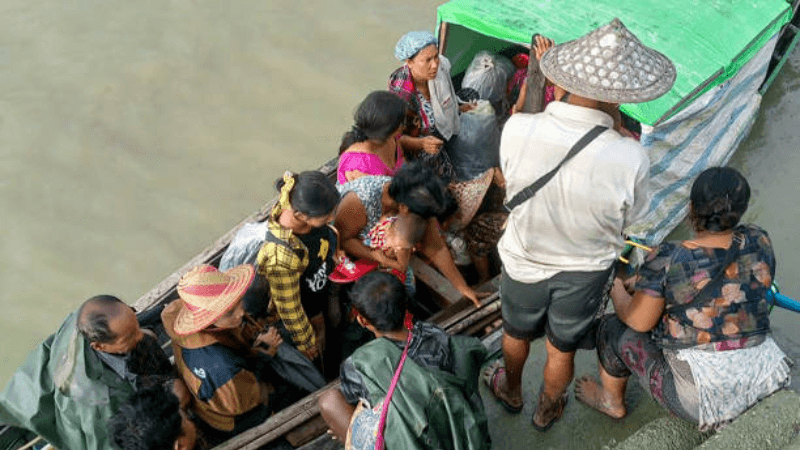
Journalists living in Thailand, Australia and other neighboring countries already operate without proper legal status, often relying on temporary migrant documents. The threat of extradition compounds an already precarious existence. As the Exiled Myanmar Journalists Network put it, the junta is trying to endanger and intimidate reporters “not only inside Myanmar but also those who have fled.”
Independent media groups insist that journalism is not terrorism. Toe Zaw Latt of the Independent Press Council of Myanmar noted that Interpol screens out political requests and that genuine criminal matters alone are considered. Still, the psychological pressure is real. Every new threat force editors to weigh the risk of continued reporting against the safety of their staff.
The regime’s campaign also betrays a deeper failure. State newspapers are barely read; their circulation has collapsed since the coup. Social media platforms have banned many junta accounts. In the vacuum, exile media have become the main source of reliable information for millions of Myanmar citizens and for the outside world. Silencing them is not about law and order. It is about controlling the narrative when the facts have become intolerable.
When a government that bombs its own villages starts calling the people who report the bombings “terrorists,” the word itself loses meaning. The generals may succeed in frightening a few more journalists into silence or deeper exile. What they cannot do is make the stories disappear. The record remains written in the careful, stubborn sentences of those who keep filing from the other side of the border.
BOB Post