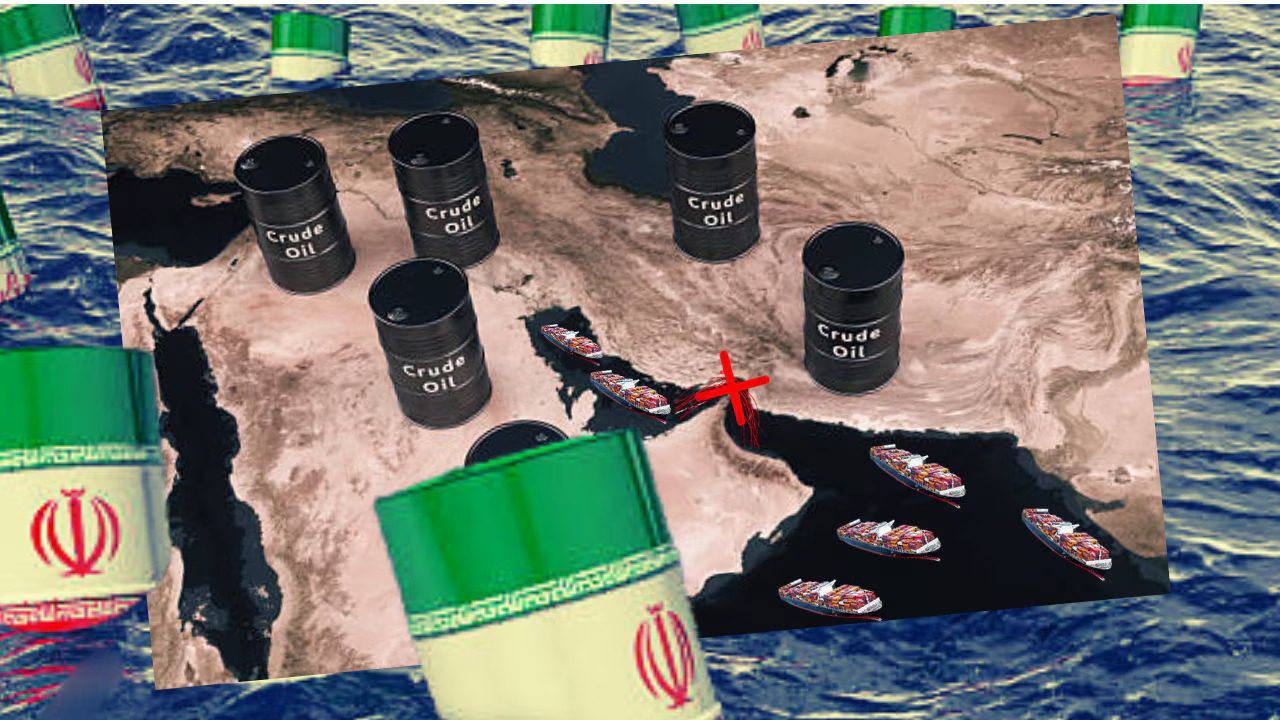
Asian countries are moving to strengthen energy security after the US-Israel war with Iran disrupted oil and gas supplies through the Strait of Hormuz.
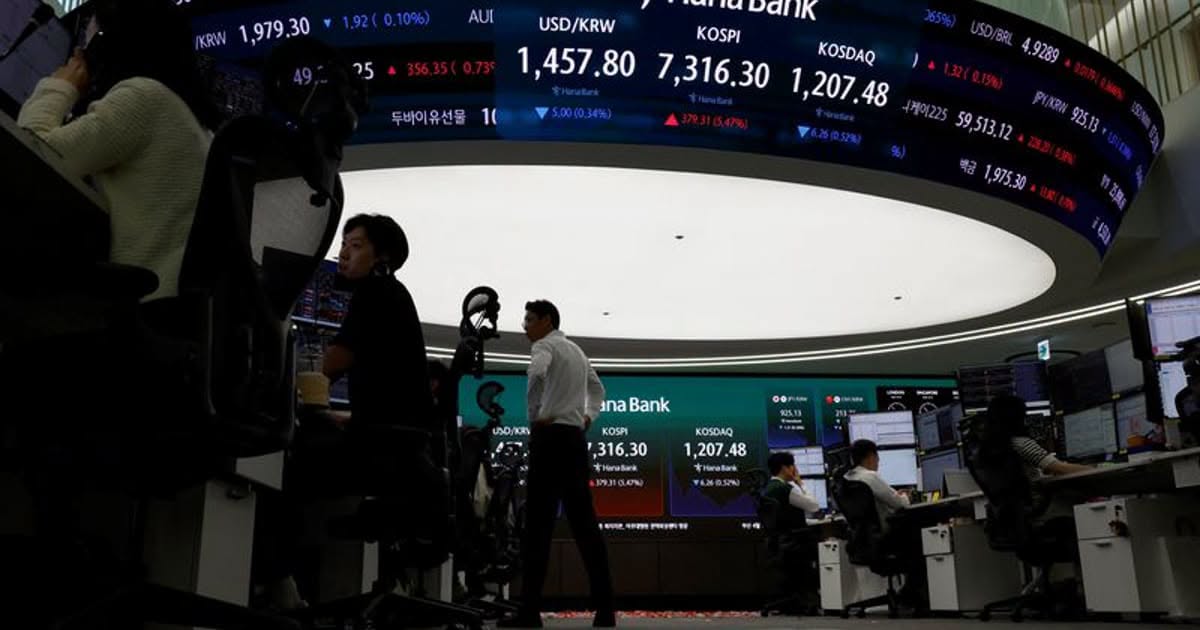
The crisis pushed fuel prices higher across the region. Several countries introduced emergency measures, including price controls, driving restrictions and work-from-home orders.
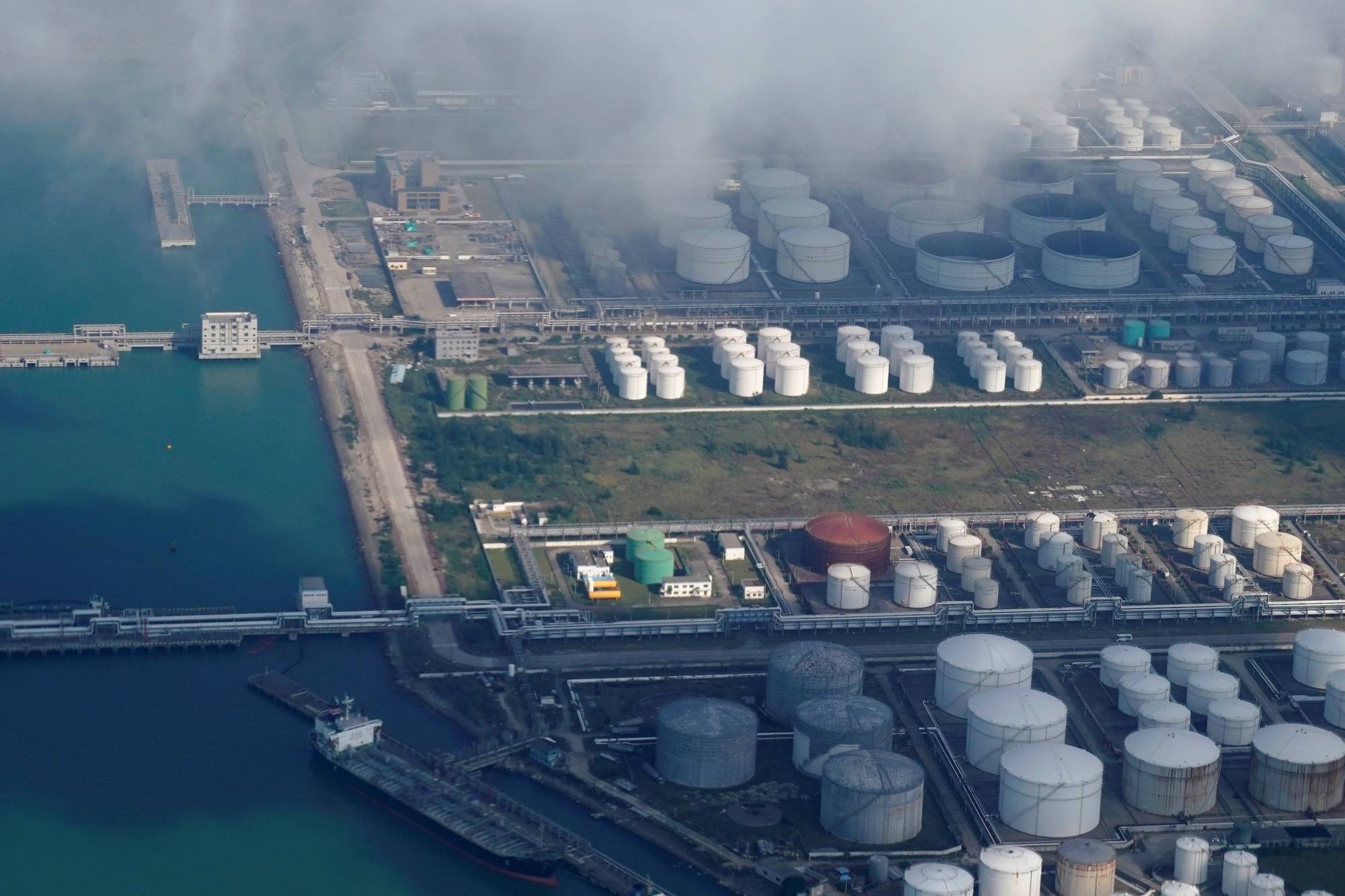
Now, governments are looking for longer-term solutions. They are building larger fuel reserves, new storage facilities and alternative supply routes.
Japan is leading the effort. In April, Prime Minister Sanae Takaichi launched the $10 billion POWERR Asia initiative. It aims to help Southeast Asian countries secure fuel and build strategic reserves.
Several countries remain below the International Energy Agency’s 90-day reserve benchmark. Vietnam had only five to seven days of national reserves when the war began. Thailand and the Philippines also depended heavily on commercial stocks. According to Al Jazeera, the crisis has renewed plans in Bangkok and Manila to create larger state-held oil reserves.
India is also expanding its strategic stockpile. China is speeding up pipeline and LNG storage projects. South Korea is considering adding up to 40 million barrels to its reserves.
Asian economies are also seeking storage deals with Gulf producers. India is considering storing some reserves at Fujairah in the UAE, outside the Strait of Hormuz.
The crisis has exposed Asia’s vulnerability to a single supply route. Governments are now trying to ensure that future energy shocks do not leave the region scrambling for fuel.
BOB Post