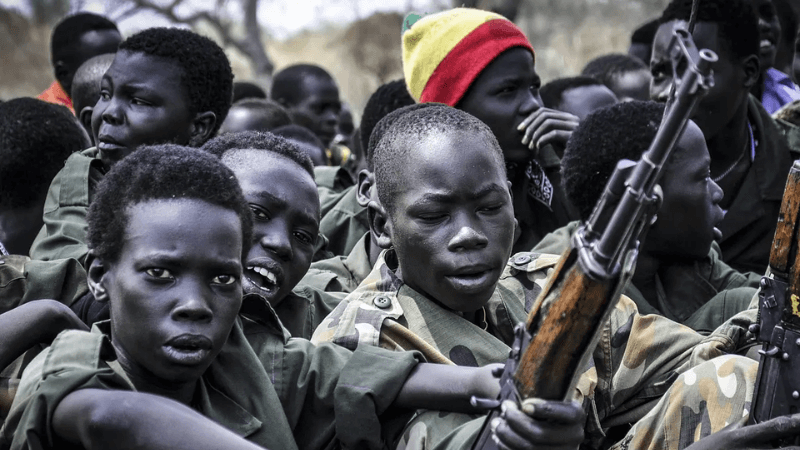
The whole world observes the red hand, a tragic symbol, on February 12th of each year. Red Hand Day, an international day against the use of child soldiers, is represented by this symbol. It is a symbol anchored in optimism rather than one born out of despair. On February 12, 2002, the Optional Protocol to the Convention on the Rights of the Child regarding the involvement of children in armed conflict (OPAC) was put into effect. This crucial treaty restricts individuals under the age of eighteen and forbids the armed forces from recruiting or using youngsters under the age of fifteen. Red Hand Day represents more than just a problem; it also symbolizes the world community's resolve to working together to end this grave issue.
Though there has been improvement, the fight is far from done. An approximate of 250,000 minors participate actively in military conflicts, serving as messengers, porters, spies, and soldiers. These forced or kidnapped children suffer from physical and mental abuse, sexual assault, and sometimes death. Their capacity to lead a normal life, their mental health, and their education are all severely impacted by the wounds left by their experiences.
Armed organizations thrive on poverty, instability, and bloodshed, which allows them to take advantage of children's weaknesses. Easy access to firearms and promises of food, shelter, or even prestige can lure some people in. Others experience drug-induced coerced submission, threats, or even kidnapping. Whichever way they choose, their childhood is taken from them and replaced with violence, terror, and an uncertain future.
The brutal civil war that raged there from 1991 to 2002 left Sierra Leone as the poster child for the legacy of child soldiers. Unimaginable horrors were forced upon many youngsters, establishing a lasting legacy for the country. Ishmael Morgan Heritage Charles,
abducted at the age of 12, stands as one survivor dedicating his life to helping others like him. He stresses the need to help these kids rehabilitate and create a better future while working with Salesian groups.
When it comes to proactive de-traumatization techniques, the Don Bosco Fambul rehabilitation center in Freetown, Sierra Leone, leads the way. The center's main goal is to help former child soldiers with their physical, emotional, and psychological needs. Don Bosco Fambul's director, Father Jorge Crisafulli, emphasizes the significance of helping them regain their sense of dignity and self-worth via counseling, education, and job training.
The global struggle of former child soldiers and the importance of their rehabilitation and reintegration into society must always be kept in mind. Together with other humanitarian groups, Salesian Missions is steadfast in its resolve to help these kids take back their lives and find serenity in a society that has too frequently ignored them.
With the support of many U.N. member nations, the Optional Protocol has laid the foundation for international cooperation in tackling this problem. Don Bosco Fambul and similar programs demonstrate the beneficial effects of rehabilitation efforts and provide a glimmer of hope for a time when child soldiers will no longer be used and all children will be able to grow up free from the atrocities of war. Undoubtedly, the path to recovery is difficult, but even the most hopeless people can find comfort and forgiveness with the correct help. Red Hand Day is a symbol of optimism and fortitude in the face of hardship for Ishmael and many others. It acts as a worldwide reminder to consider both the past and the future, in which no child must suffer the consequences of war.
BOB Post