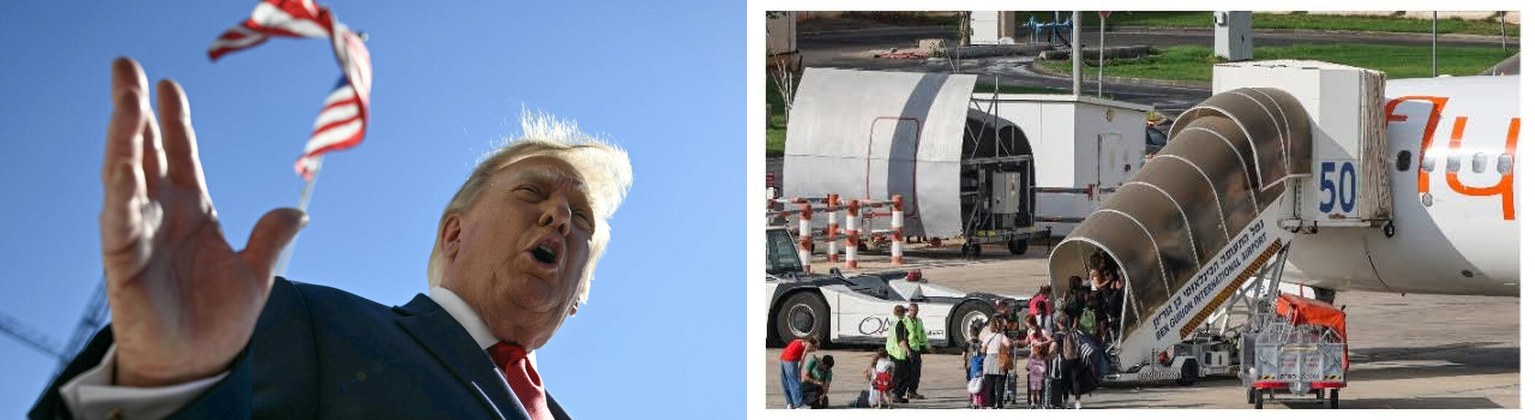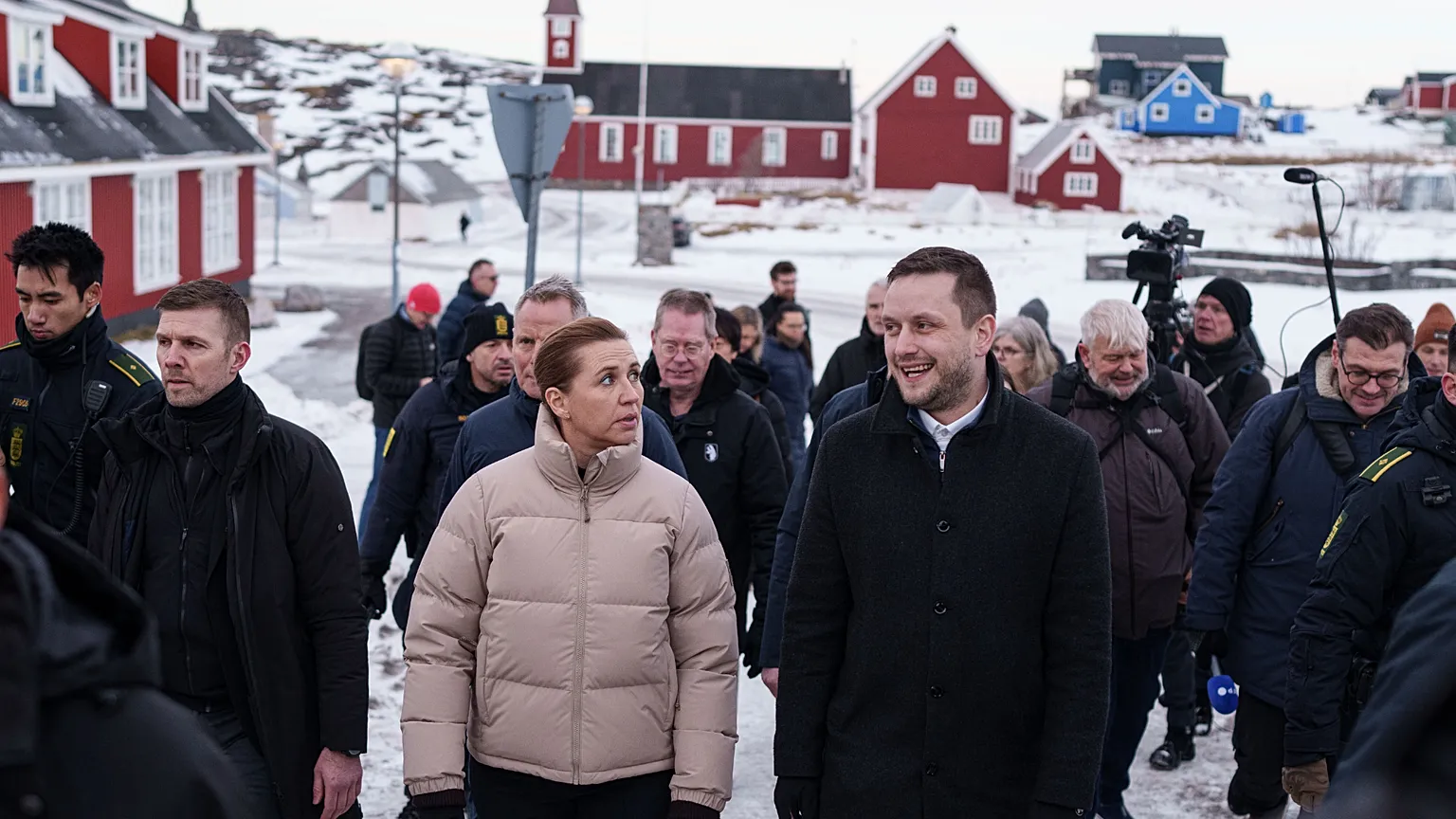
Greenland and Denmark have put historic tensions on hold, presenting a rare show of unity in response to renewed pressure from former US President Donald Trump, whose interest in taking control of the Arctic island has jolted politics on both sides of the Atlantic.
The vast, resource-rich territory an autonomous part of the Kingdom of Denmark
has long harboured ambitions of independence. Yet Trump’s repeated assertions that the United States should acquire Greenland have prompted Nuuk and Copenhagen to coordinate closely, temporarily sidelining deep-rooted disagreements linked to their colonial past.
Greenland’s political parties, which largely agree on the goal of independence but not the timeline, formed a broad coalition government in March last year as US rhetoric intensified. Only the Naleraq party, which favours a rapid break from Denmark, chose to remain in opposition.
Greenlandic leaders were unequivocal last week in rejecting any notion of a US takeover. Trump, who had revived the idea in recent months, said on Wednesday he was stepping back after reaching what he described as a “framework deal” on Arctic security with NATO Secretary-General Mark Rutte.
The pressure from Washington has paradoxically eased tensions within the kingdom. “Trump’s pressure has prompted the wide majority of the political spectrum that forms Greenland’s coalition government to put independence preparations always a long-term project aside for now,” Ulrik Pram Gad of the Danish Institute for International Studies told AFP, noting that strong European backing had made Greenland’s relationship with Denmark feel “less claustrophobic”.
At the height of the standoff, Greenland’s Prime Minister Jens-Frederik Nielsen made the government’s position clear: if forced to choose between the United States and Denmark, Greenland would stand with Denmark.
That message has been reinforced through coordinated diplomacy. Greenland’s Foreign Minister Vivian Motzfeldt has appeared alongside senior Danish officials in Washington and Brussels in recent weeks, holding talks with US Vice President JD Vance, Secretary of State Marco Rubio and NATO leadership a visible sign of a united front.
Yet beneath the surface, unresolved grievances remain. Greenland was ruled as a Danish colony for nearly 300 years before being fully integrated into Denmark in 1953. Home rule was introduced in 1979 and expanded in 2009, but the legacy of colonial-era policies continues to shape public debate.
Among the most painful episodes are a 1951 experiment that forcibly removed Inuit children from their families to create a Danish-speaking elite, and a decades-long programme beginning in the 1960s in which thousands of Greenlandic women and girls were fitted with contraceptive devices without consent. Denmark has since apologised and launched compensation schemes.
Studies have also highlighted systemic discrimination, including the disproportionate placement of Greenlandic children into care in Denmark using controversial psychological tests practices only discontinued last year.
For now, analysts say, those issues have been pushed into the background. “There’s a general sense that the immediate challenge is external,” said Astrid Andersen, a specialist in Danish-Greenlandic relations. “Trump has become the common opponent, and that has created a need to face the situation together.”
BOB Post