McDonald’s pointed to Israel’s conflict in Gaza as a reason for the fast food giant's failure to meet its quarterly sales target for the first time in almost four years.
CEO Chris Kempczinski remarked that the war had a "disheartening" impact on sales in Middle Eastern nations and other Muslim-majority countries like Malaysia and Indonesia.
“As long as this conflict, this war, continues… we don’t anticipate any significant improvement in this,” Kempczinski stated during a conference call.
He emphasized, “It’s a human tragedy, what’s happening, and I believe that weighs on brands like ours.”
During October-December, sales growth for the Middle East, China, and India division of the fast food chain reached only 0.7 percent, falling far below market expectations of 5.5 percent.
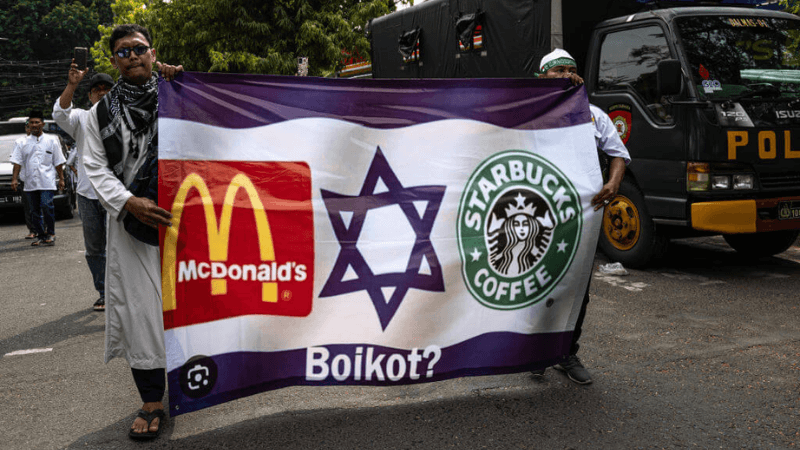
This decline followed calls for a boycott of McDonald’s by customers in Muslim countries after its Israeli franchisee provided thousands of complimentary meals to the Israeli military.
In response to McDonald’s Israel's announcement, franchisees in several Middle Eastern countries distanced themselves from the donations and collectively pledged millions of dollars in aid to Palestinians in Gaza.
Despite being recognized as one of the most iconic American brands, McDonald’s predominantly operates through local ownership worldwide.
Kempczinski mentioned last month that the war and "associated misinformation" were significantly affecting business in the region.
McDonald’s, along with other Western brands, has faced boycotts due to perceived support for Israel.
Recently, Starbucks revised its annual sales forecast downward, citing a decline in business in the Middle East.
Despite the challenges in Muslim countries, McDonald’s achieved relatively strong overall results, with global sales increasing by 3.4 percent compared to 8.8 percent in the previous quarter.
Kempczinski expressed confidence, stating, “We remain confident in the resilience of our business amid macro challenges that will persist in 2024.”
BOB Post