Thai nationals who were held captive by Hamas for 50 days following the October 7 attacks in Israel have been released. The Thai Prime Minister, Srettha Thavisin, confirmed the release of the hostages after weeks of intense negotiations. However, conflicting reports from the Thai government and Qatari officials regarding the number of released hostages add an element of uncertainty to the situation.
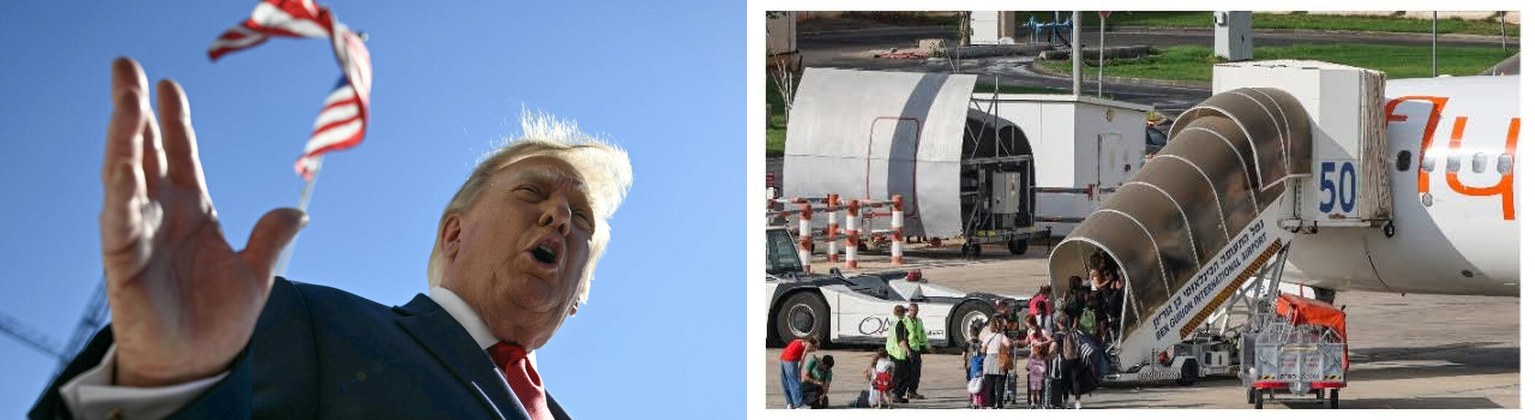
The released hostages, numbering either 10 or 12 individuals, were initially taken to Rafah and subsequently transported to the Kerem Shalom crossing. From there, they are being moved to a processing point at Hatzerim air force base before heading to Shamir Medical Center, south-east of Tel Aviv. The medical supervision requirement for the first 48 hours, with restricted access to outsiders, underscores the physical and emotional toll the ordeal has taken on the survivors.
These Thai nationals were part of the significant foreign workforce employed in Israel's agricultural sector before the October 7 attacks. Regrettably, they constitute the largest group of foreign individuals who lost their lives or went missing in the Hamas assaults, according to the Israeli government.
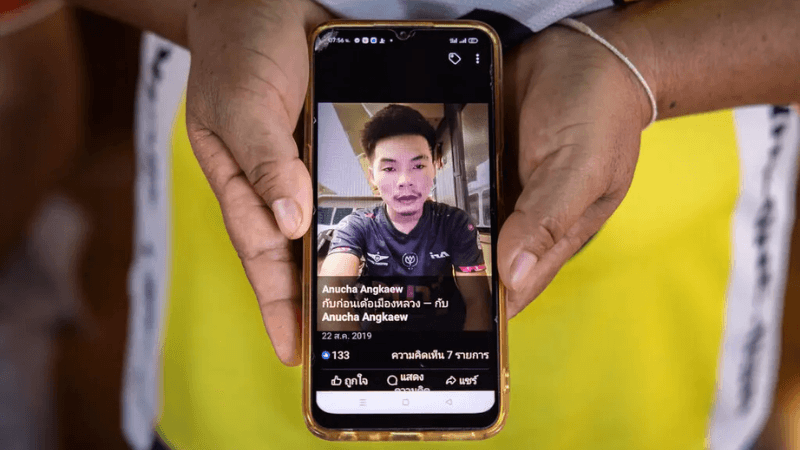
Survivor accounts, such as that of 30-year-old Withawat Kunwong, shed light on the harrowing experiences faced by the hostages during their captivity. Kunwong, bearing scars from the attack on the poultry farm where he worked, narrates a traumatic incident that continues to haunt him.
The Thai government played a crucial role in negotiating the release of the hostages, and earlier reports had suggested that 23 Thai nationals would be freed by Hamas without conditions. The successful release brings relief to many families who had been living in fear for the lives of their loved ones. However, the broader crisis is far from over, as an estimated 135 hostages with foreign passports from 25 different countries are still held in the Gaza Strip, according to the Israeli Government Press Office.
The international community is closely monitoring the situation, holding hope for a peaceful resolution to the ongoing conflict. The release of the first batch of hostages a week ago, who have since returned to Thailand, offered a glimmer of hope. One such released hostage, Manee Jirachart, shared his harrowing ordeal, providing a firsthand account of the moment he was captured by Hamas militants during the October 7 attack.
Jirachart's return to his rural hometown of Ban Dung, located in the northeastern Udon Thani province, was a poignant moment for his family. Udon Thani, despite being approximately 7,000km away from Israel, has a strong connection due to over 4,000 locals working there as migrant workers. Thai nationals constitute Israel's largest migrant worker group, attracted by significantly higher wages compared to their homeland.
The conflict in the region dates back decades, and the October 7 attacks led to the capture of at least 240 people, including Israelis and foreign nationals. Tragically, 39 Thai nationals lost their lives, and 32 were abducted by Hamas gunmen. In retaliation, Israel launched a devastating offensive, resulting in significant casualties in Gaza.
While over 9,000 Thai nationals have returned home from Israel since the conflict, concerns remain for those still in the conflict zone. Families like that of Surasak Lamnau, who is officially classified as "missing," are grappling with uncertainty and hope. The Thai government, in its efforts to encourage more returns, has promised compensation and incentives, though they pale in comparison to the wages available in Israel.
As the situation unfolds, the Thai government expresses congratulations to the released hostages and their families while pledging to facilitate their return to Thailand. The complexity of the broader conflict underscores the challenges faced by the international community in securing the release of all remaining hostages and achieving a lasting resolution to the crisis.
BOB Post