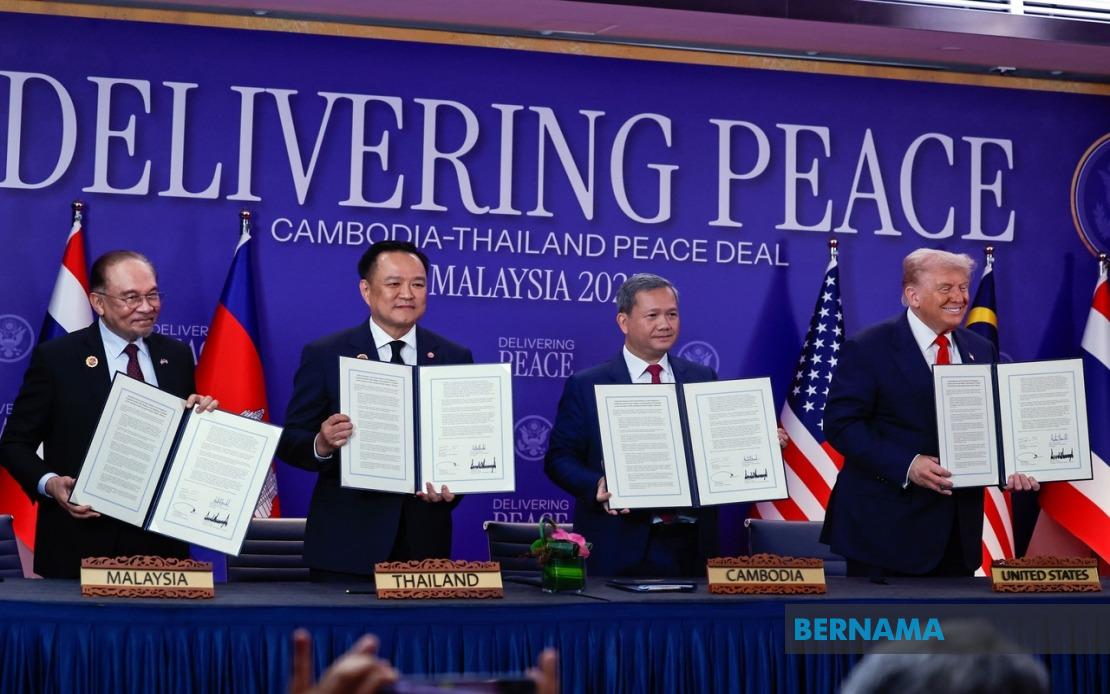
Thailand and Cambodia signed a significant ceasefire agreement on Sunday(October 26), aimed at ending a bloody border dispute that erupted earlier this year. The pact was formally signed by Thai Prime Minister Anutin Charnvirakul and Cambodian Prime Minister Hun Manet in a ceremony hosted by Malaysian Prime Minister Anwar Ibrahim.
U.S. President Donald Trump, in Malaysia for the first stop of his Asia tour, co-signed the agreement, marking his direct involvement in brokering the deal.
"This is a monumental step," President Trump said at the signing, congratulating both leaders for the move.
The agreement includes several key provisions, notably the release of 18 Cambodian prisoners of war on humanitarian grounds, according to a statement from Cambodia's foreign ministry.
It also establishes a framework for de-escalation, which Malaysian Foreign Minister Mohamad Hasan said would center on deploying regional observers to the conflict areas. Key goals of the pact include the withdrawal of heavy weapons from the border and a coordinated effort to "remove and destroy the mines that have been planted in borders of both countries," Mohamad stated.
The new deal builds on an initial ceasefire agreed to in late July, which was also brokered in part by President Trump. However, that truce has been fragile, with both sides trading accusations of "minor violations."
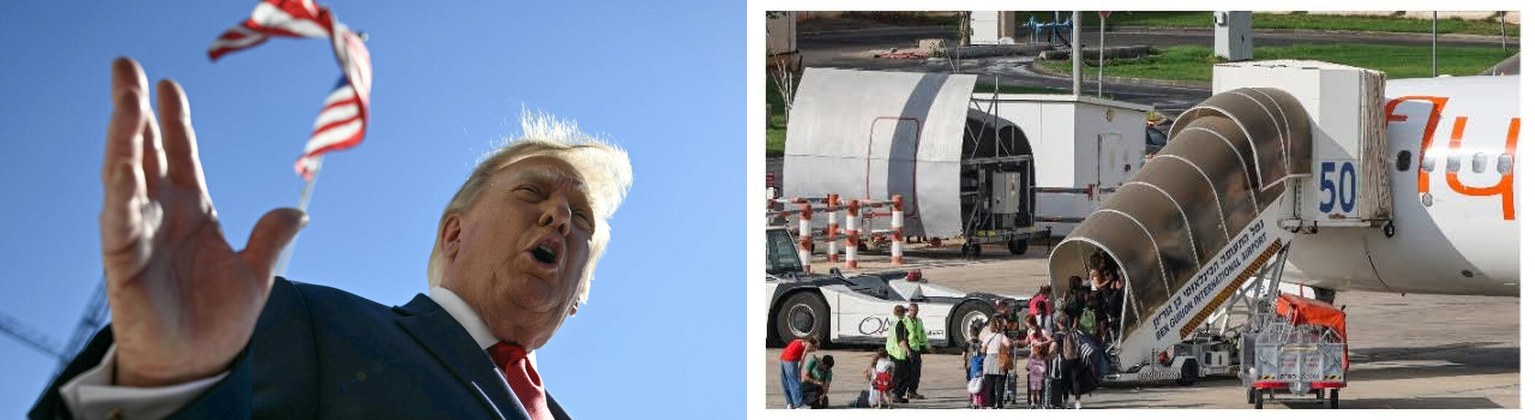
Heading to Malaysia, President Trump highlighted his role, calling the agreement a "Great Peace Deal... which I proudly brokered between Cambodia and Thailand."
While the agreement marks a significant step toward peace, analysts have noted that a final, comprehensive peace pact between the two Southeast Asian nations is still outstanding.
Following his visit to Malaysia, President Trump is scheduled to continue his Asia tour, which will culminate in talks with Chinese leader Xi Jinping.
BOB Post