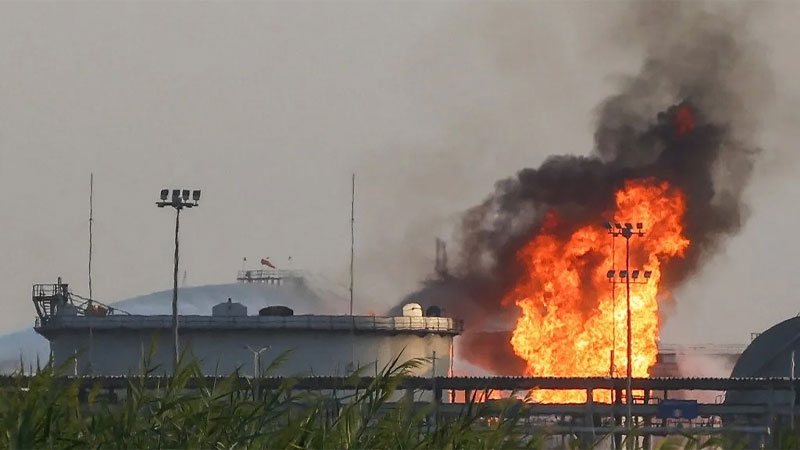
The United Arab Emirates has sharply condemned Iran over its attacks on commercial shipping in the Strait of Hormuz, warning that the escalating conflict risks crippling global energy markets and undermining maritime security.
Speaking via video message at the CERAWeek by S&P Global, ADNOC CEO Sultan Ahmed Al Jaber described the disruption as “economic terrorism,” saying the strategic waterway must never be used as leverage in geopolitical conflicts. He stressed that blocking Hormuz threatens all nations, not just regional rivals, as roughly one-fifth of global oil and liquefied natural gas supplies typically pass through the narrow route.
Tanker movements through the corridor have effectively stalled amid intensified Iranian attacks, raising alarm across global markets. Al Jaber emphasized that the crisis is not driven by supply shortages but by security risks, calling for urgent international efforts to ensure safe navigation.

According to CNBC, several top Gulf energy leaders including executives from Kuwait Petroleum Corporation and Saudi Aramco have cancelled in-person appearances at the conference due to the deteriorating security situation, underscoring the widening impact of the conflict on the global energy industry.
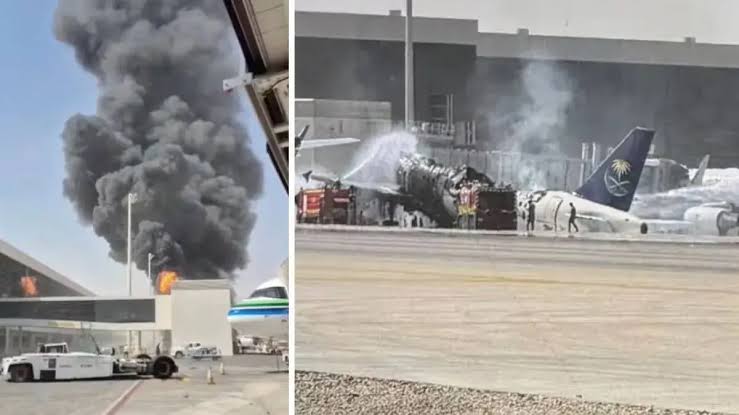
The confrontation follows a major escalation after the United States and Israel launched coordinated strikes on Iran in late February, triggering retaliatory attacks across the Gulf. UAE authorities report hundreds of missiles and drones have been fired at their territory, resulting in casualties and damage.
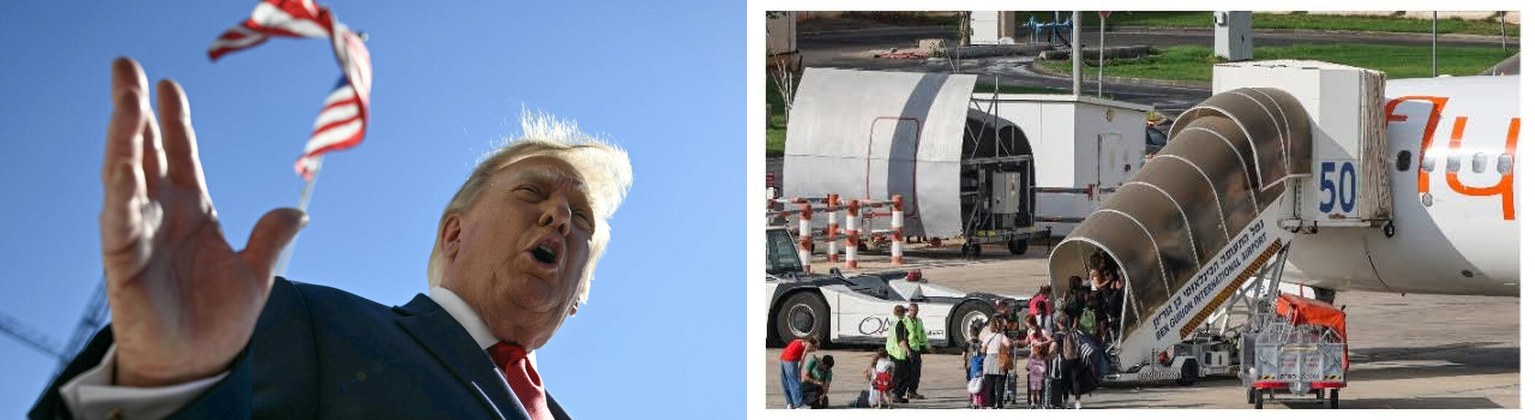
In Washington, Donald Trump warned of potential strikes on Iranian infrastructure if maritime traffic is not restored, though he has temporarily delayed action following what he described as “productive” talks with Tehran. The shift in tone helped ease market jitters, with oil prices falling sharply after weeks of volatility driven by fears of prolonged disruption.
Despite the brief market relief, analysts warn that any sustained closure or instability in the Strait of Hormuz could have far-reaching consequences for energy-importing regions worldwide, particularly in Asia, where dependence on Gulf exports remains high.
BOB Post