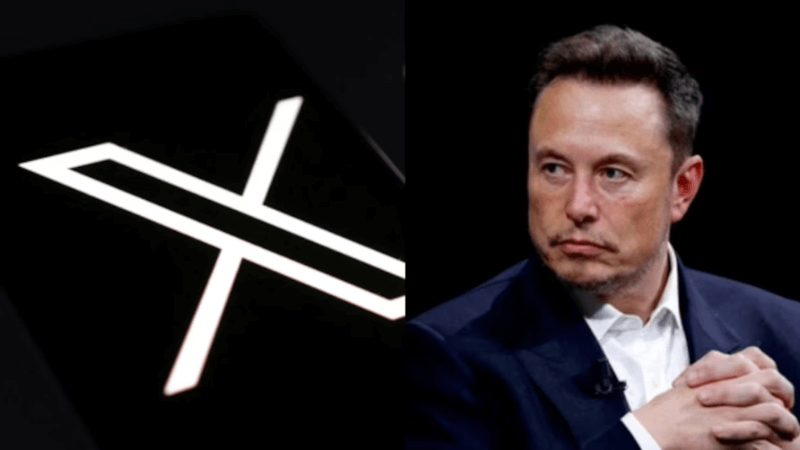
X, formerly known as Twitter, is accused of providing subscription perks to designated terrorist groups and entities barred from operating in the United States. The Tech Transparency Project (TTP) uncovered that X had granted blue check marks, previously symbols of verified accounts, to individuals associated with Hezbollah members and other controversial figures. Elon Musk's decision to monetize the blue check mark feature when he acquired Twitter in 2022 has now raised legal concerns, as these verified accounts include entities facing U.S. sanctions.
The blue check mark controversy involves a subscription service costing $8 (£6.40) per month. Journalists, world leaders, and celebrities were among the initial recipients. However, the recent revelation indicates that some verified accounts belong to individuals and groups facing U.S. sanctions. By charging for this service, X may have inadvertently heightened legal scrutiny regarding compliance with U.S. sanctions laws and raised questions about disinformation, impersonation, and due diligence in verifying account holders.
The Tech Transparency Project's report highlights specific accounts tied to entities such as Hezbollah and Ansar Allah (the Houthis), which seemingly paid for their blue check marks. The Houthis are sanctioned in both the U.S. and the U.K. While X removed some of these check marks after the report, questions about the platform's compliance with sanctions laws remain. X’s safety team defended its subscription process, emphasizing adherence to legal obligations and independent screening by payment providers. However, the controversy underscores the complex balance between security measures and potential risks associated with paid verification services.
The most alarming case involves an account bearing the name and profile image of Hassan Nasrallah, the secretary-general of Hezbollah. This account claims to be “ID verified,” a premium service X offers to subscribers to prevent impersonation. The situation raises concerns about X’s verification process and whether Nasrallah followed the required identification submission process. The controversy unfolds against the backdrop of X's efforts to address disinformation and ensure platform security.
X pledged to take necessary action after reviewing the Tech Transparency Project's report. The controversy surrounding X's alleged acceptance of payments from entities under U.S. sanctions adds to the challenges faced by the social media platform since Elon Musk's acquisition. Critics argue that X may have lost control of its platform, and the situation highlights the broader debate between promoting free speech and preventing the dissemination of illegal or harmful content on social media. The fallout from this controversy could impact how social media platforms handle account verification, especially concerning individuals and groups facing legal restrictions.
Elon Musk's ownership of X has been marked by controversial decisions, including reinstating Kanye West's account after an eight-month ban for offensive posts. The Tech Transparency Project identified other seemingly paid-for subscription accounts, further complicating the narrative.
BOB Post