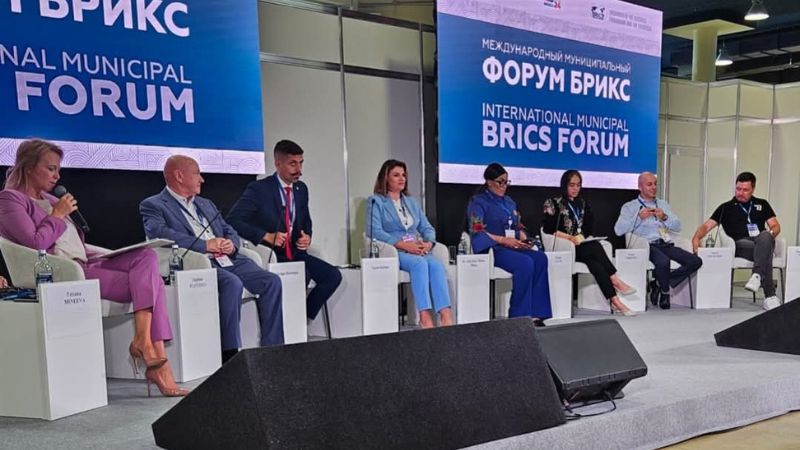
The VI BRICS International Municipal Forum, held this year, shattered previous attendance records with over 6,000 delegates representing cities, regions, and organizations from across BRICS nations—Brazil, Russia, India, China, and South Africa. Among the myriad of business meetings, negotiations, and conferences, youth cooperation emerged as a central theme, highlighting its importance in fostering sustainable development and stronger ties between member states.
Youth Empowerment: A Shared Vision
One of the standout sessions of the forum was the dedicated panel on youth cooperation, which drew participation from young leaders, entrepreneurs, and policymakers. Delegates explored initiatives to amplify youth engagement in areas such as innovation, education, cultural exchange, and entrepreneurship. The discussions emphasized the role of youth as a driving force for addressing shared global challenges like climate change, urbanization, and economic disparities.
Maria Ivanova, head of the BRICS Youth Secretariat, noted, “Young people are the backbone of our future collaboration. By empowering them through skill-building programs, exchanges, and mentorship, we can lay the foundation for lasting partnerships between BRICS nations.”
Key Announcements and Initiatives
Several initiatives were unveiled at the forum, showcasing a renewed focus on empowering young people:
Youth Innovation Hubs: A proposal was tabled to establish regional hubs where young entrepreneurs and innovators can collaborate on tech-driven solutions to urban challenges.
BRICS Youth Exchange Program: A program aimed at fostering cultural understanding and leadership skills by allowing young people to study, work, and volunteer across BRICS countries.
Green Cities Initiative: A youth-led project encouraging the development of eco-friendly infrastructure in urban areas, with an emphasis on renewable energy and sustainable practices.
Voices of the Next Generation
Youth representatives shared their aspirations and called for stronger inclusion in decision-making processes. Siya Ndlovu, a South African delegate and social entrepreneur, stressed, “For BRICS to thrive, we need to prioritize the voices of young people. It’s not just about creating opportunities but also about ensuring they have a seat at the table.”
Similarly, Liu Wei, a Chinese student and climate activist, advocated for greater collaboration in environmental education, saying, “The future of our cities depends on sustainable practices, and young people are key to driving these changes.”
Challenges Ahead
Despite the optimistic outlook, the forum also acknowledged challenges, including the digital divide and disparities in education access among member countries. Delegates committed to addressing these gaps through coordinated policies and investments in technology and infrastructure.
A Platform for Change
The VI BRICS International Municipal Forum underscored the importance of youth cooperation in strengthening interregional ties. With the launch of new initiatives and the active involvement of young delegates, the event marked a significant step toward integrating youth perspectives into the broader BRICS agenda.
As the forum concluded, there was a palpable sense of optimism among attendees. The next generation, it seems, is poised to play a transformative role in shaping a more inclusive and sustainable future for BRICS nations.
Obaidur Chowdhury
BOB Post