A new humanitarian crisis is unfolding along the Bangladesh-Myanmar border as thousands of Rohingya refugees flee escalating violence and alleged persecution by the Arakan Army (AA) in Myanmar’s Rakhine State. Officials and refugee accounts point to widespread abuses—including killings, forced labor, and forced displacement—prompting a steady influx of desperate families into Bangladesh.
According to accounts from Rohingya refugees, the AA has been subjecting them to killings, enforced disappearances, forced labor, and using them as human shields. “We have been forced out of our homes, compelled to work for the rebels, and are living in constant fear of abduction or death,” said one refugee who recently arrived in Cox’s Bazar.
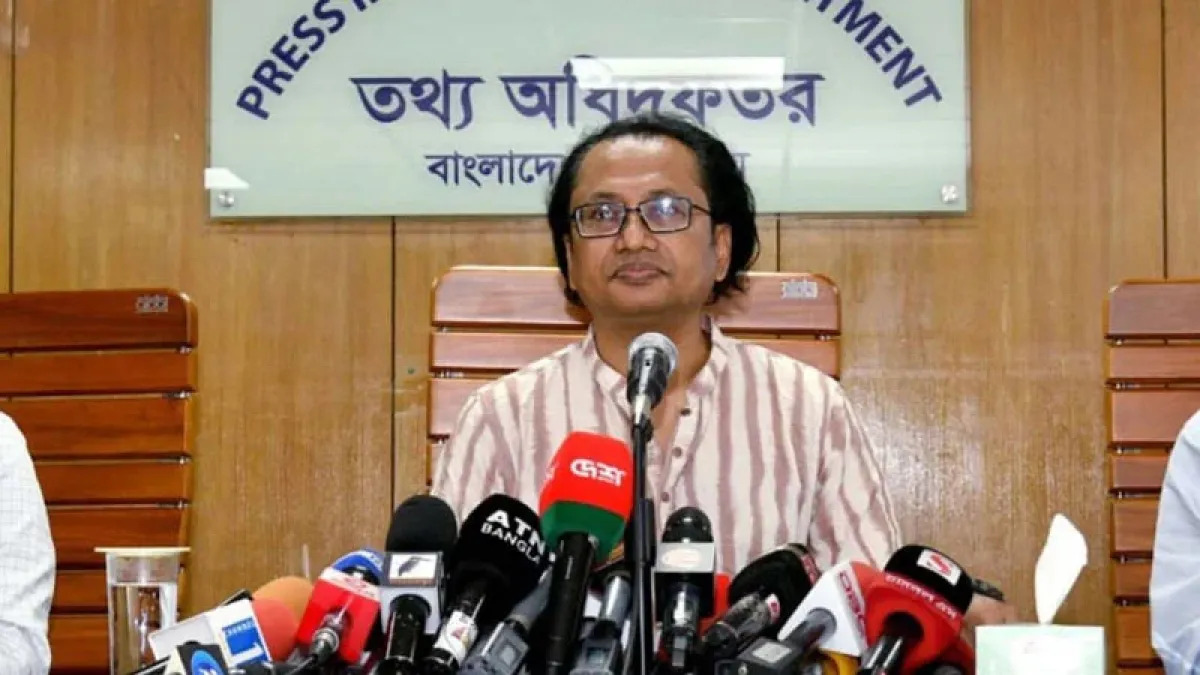
Mohammad Mizanur Rahman, Bangladesh’s Refugee Relief and Repatriation Commissioner, confirmed the influx, stating that since November 2023, approximately 113,000 Rohingyas have fled into Bangladesh—most arriving after June 2024. “They report fleeing brutalities by the Arakan Army. Many say their homes have been seized and resettled by other ethnic groups,” he said, noting that these claims could not be independently verified.
Government sources added that biometric data, including fingerprints, of the newly arrived Rohingyas have been collected by Bangladeshi authorities and the United Nations High Commissioner for Refugees (UNHCR). With this latest influx, the total Rohingya refugee population in Bangladesh has climbed to at least 1.3 million.
In response to the surge, UNHCR has formally requested Bangladesh to provide accommodation for over 100,000 new arrivals. However, Rahman expressed concerns: “We simply don’t have the capacity to build shelters on such a large scale. Moreover, expanding refugee camps risks encouraging further migration and complicates future repatriation efforts.”
Mohammad Zubair, chairman of the Arakan Rohingya Society for Peace and Human Rights, accused the Arakan Army of forcibly evicting Rohingyas and resettling Rakhine people from Bangladesh, Nepal, and India in their homes. “Many Islamic scholars have disappeared. Some have been killed. The Arakan Army is systematically displacing us,” he alleged, calling the situation “dire” and urging international intervention and investigation.
Previously, nearly 1.2 million Rohingyas had fled to Bangladesh to escape military crackdowns in Myanmar up to November 2023. Since then, the Arakan Army, representing the Rakhine ethnic group, has launched offensives against Myanmar’s military, claiming control over 80% of Rakhine State, including 14 out of 17 townships.
Following the Arakan Army’s territorial gains, including control over the 270-kilometer Bangladesh-Rakhine border, reports of increased abuses—killings, disappearances, forced conscriptions—against Rohingyas have intensified, forcing thousands more to flee across the border.
Rights groups warn that unless international actors intervene, the humanitarian crisis will deepen as Rakhine State’s political dynamics shift from state military oppression to ethnic insurgent rule, leaving Rohingyas trapped in the crossfire.
BOB Post