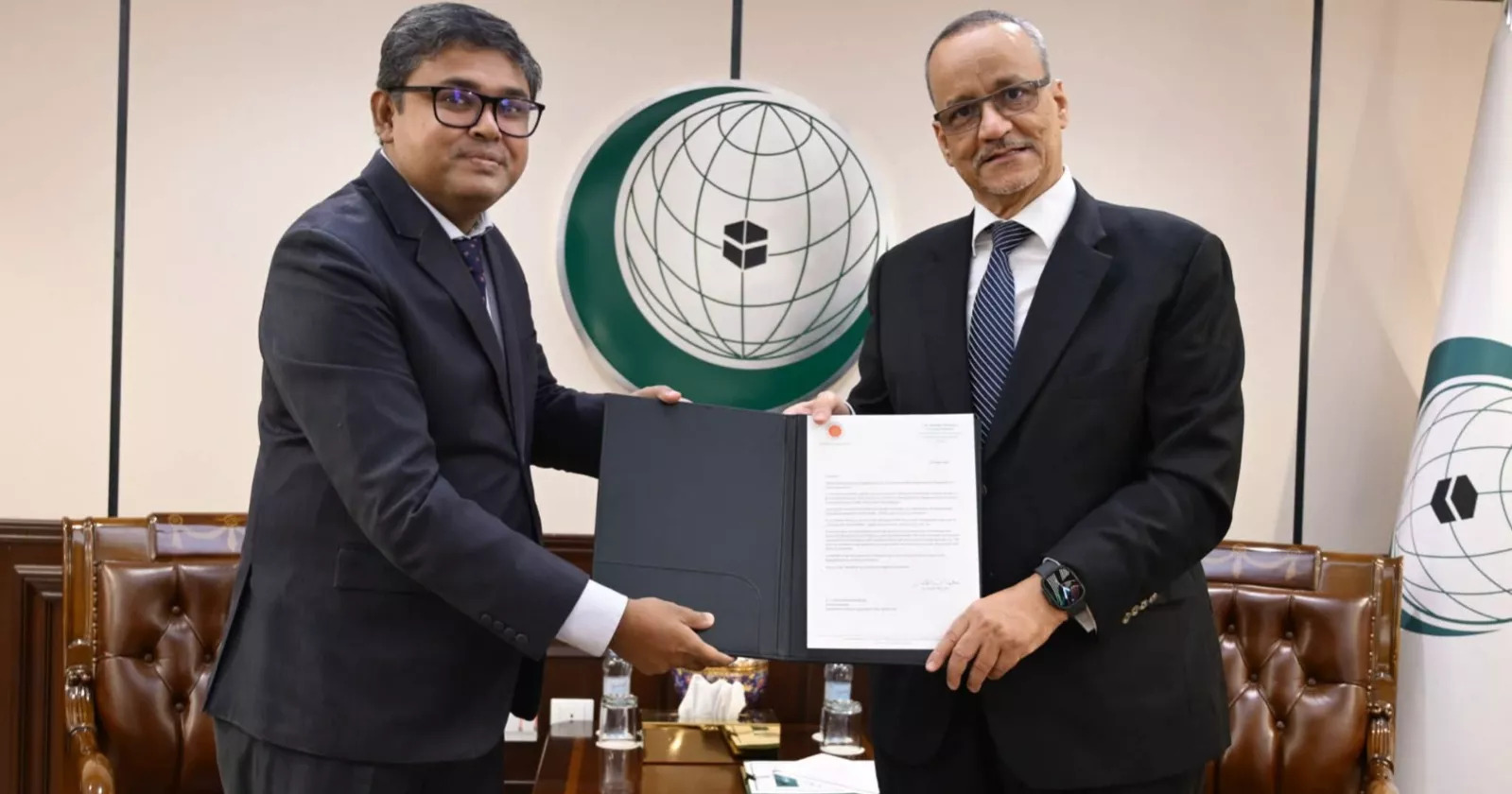
Bangladesh has officially joined the United Nations Convention on the Protection and Use of Transboundary Watercourses and International Lakes—widely known as the UN Water Convention—becoming the first country in South Asia to accede to the landmark global water governance treaty.
According to a press release issued by the Ministry of Environment, Forest and Climate Change on Tuesday, Bangladesh formally acceded to the convention on 20 June 2025, becoming the 56th country worldwide to join.
As a low-lying delta nation intersected by 57 transboundary rivers, including the Ganges-Brahmaputra-Meghna system, Bangladesh’s accession comes at a critical time. With increasing climate vulnerabilities, rising sea levels, and over 65 million citizens still lacking access to safely managed sanitation, the country faces mounting challenges to ensure sustainable and equitable water use.

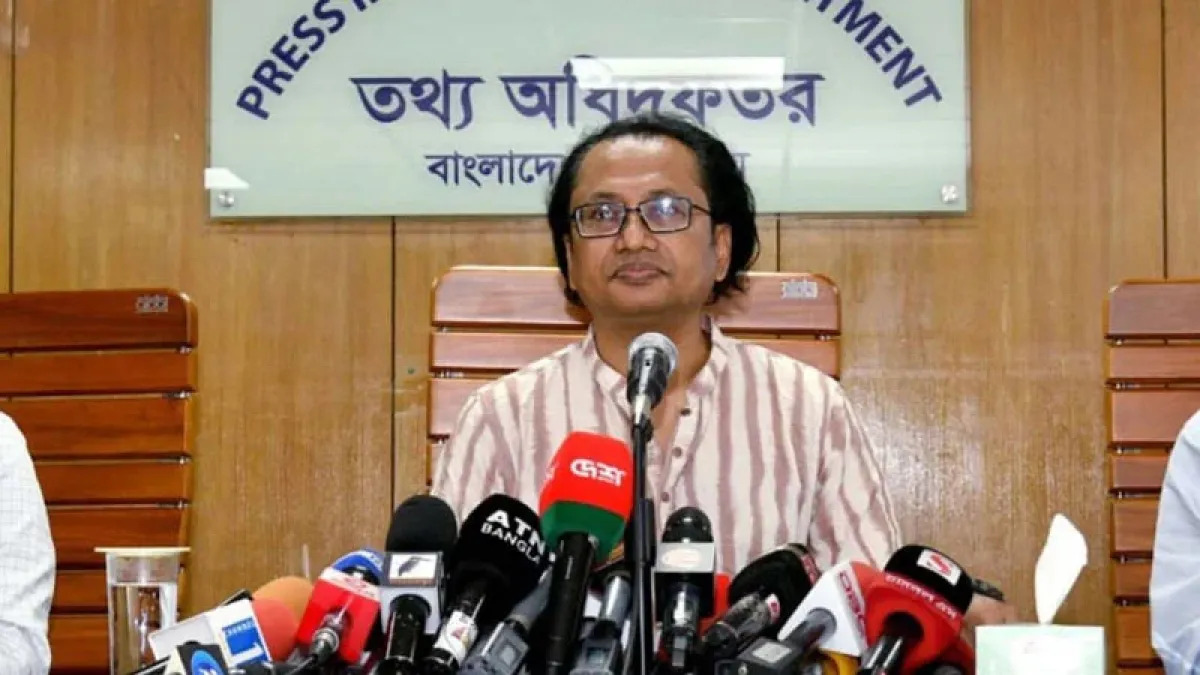
Environment, Forest and Climate Change Adviser Syeda Rizwana Hasan described the move as a "landmark step" for Bangladesh.
“Climate change, population growth, and rising water demand require enhanced transboundary cooperation,” she said. “The Convention will support Bangladesh in developing more effective and inclusive water policies, securing long-term water sustainability.”
The UN Water Convention provides a robust legal and institutional framework for the sustainable management of shared surface and groundwater resources. It promotes cooperation, conflict prevention, and climate resilience in transboundary water governance.
Welcoming Bangladesh’s accession, Tatiana Molcean, Executive Secretary of the UN Economic Commission for Europe (UNECE), said, “This is a significant move for South Asia. The Convention is a critical instrument for strengthening cross-border water cooperation in a time of increasing climate pressure.”
Sonja Koeppel, Secretary to the UN Water Convention, congratulated Bangladesh and urged other South Asian nations to follow suit to build regional water security.
Bangladesh has been actively involved with the Convention since 2012 and participated in its 10th Meeting of the Parties held in Slovenia in 2024.
The country already maintains key bilateral water-sharing mechanisms, including the Joint Rivers Commission and the Ganges Water Sharing Treaty with India, along with active hydrodiplomacy with Nepal, Bhutan, and China.
Experts see Bangladesh’s accession as a timely and strategic move that could pave the way for stronger regional collaboration on water governance in South Asia—one of the world’s most water-stressed and densely populated regions.
BOB Post