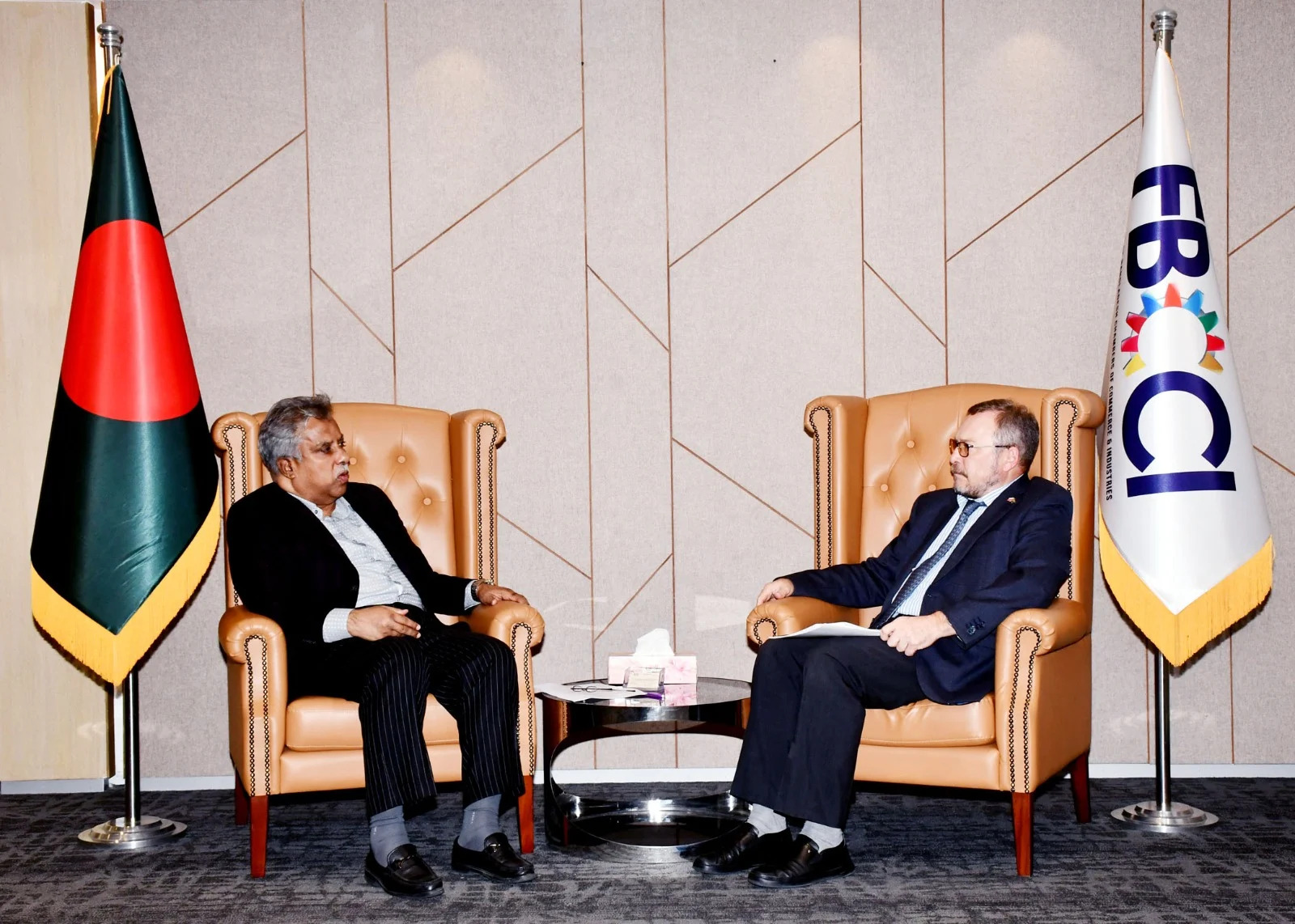
After months of uncertainty and political noise, the long-awaited reopening of the Malaysian labour market for Bangladeshi workers appears imminent, with a high-level Joint Working Group (JWG) meeting between Bangladesh and Malaysia scheduled for mid-May in Putrajaya. Advisor Asif Nazrul is expected to lead the Bangladeshi delegation, signaling a fresh chapter of diplomatic engagement by the country’s interim government.
This development has been welcomed by ordinary members of the Bangladesh Association of International Recruiting Agencies (BAIRA), who have expressed gratitude to the Advisor and the Ministry of Expatriates’ Welfare and Overseas Employment for reviving negotiations.
BAIRA members, however, voiced concern over what they called "divisive rhetoric" from a small group of internal leaders. They allege that baseless criticisms involving syndicates, online systems, and contract terms are being used to undermine the current administration and hinder progress in overseas employment.
Accusations have also emerged suggesting these efforts are in line with agendas left behind by the former Hasina government, allegedly aimed at throttling remittance flows by obstructing labour exports.
“Bangladeshi workers remain the top preference for Malaysian employers,” BAIRA members noted. “Yet due to continuous negative campaigns by familiar faces in the manpower sector, Bangladesh has fallen behind 13 other countries already sending workers.”
BAIRA has called for unity and an end to politically motivated disruptions. “We are prepared to meet all the conditions set by Malaysia. Only those loyal to authoritarian legacies are trying to block this opportunity,” they stated.
Currently, Malaysia plans to recruit 1.2 million foreign workers from 14 countries, with Bangladesh historically being one of the top contributors. But as delays persist, concerns grow that Bangladesh may lose its competitive edge.
There is increasing demand for firm action against those allegedly attempting to damage bilateral relations and delay the labour market reopening. Industry insiders have urged investigations into possible sabotage aimed at souring the decades-long friendship between Malaysia and Bangladesh.
That friendship dates back to February 24, 1972, when Malaysia became one of the first countries to recognize Bangladesh’s independence. Over the years, bilateral ties have been reinforced by high-level visits from leaders on both sides. Most recently, in October 2024, Malaysian Prime Minister Anwar Ibrahim visited Dhaka, reaffirming his country’s commitment to strengthening ties.
This diplomatic push comes at a crucial time. As Malaysia seeks relief from U.S. trade tariffs, it has become a hotspot for Chinese investments, creating hundreds of thousands of new jobs. Bangladesh is well-positioned to be a key labour supplier for this emerging demand.
With Malaysia on a steady path toward developed nation status and Bangladesh transitioning into a middle-income country, both nations stand to gain from expanded cooperation in labour, trade, and strategic partnerships.
The coming weeks may prove decisive in restoring Bangladesh’s place in Malaysia’s labour market—offering renewed hope for migrant workers and a critical boost to the nation’s remittance-driven economy.
BOB Post