Myanmar’s military regime has firmly rejected a proposal by Bangladesh’s largest Islamist political party, Jamaat-e-Islami, calling it a direct attack on the country’s sovereignty. The proposal, which called for the establishment of an independent Rohingya state in Myanmar’s western Rakhine region, was raised during a recent meeting with a visiting delegation from the Communist Party of China (CPC) in Dhaka.
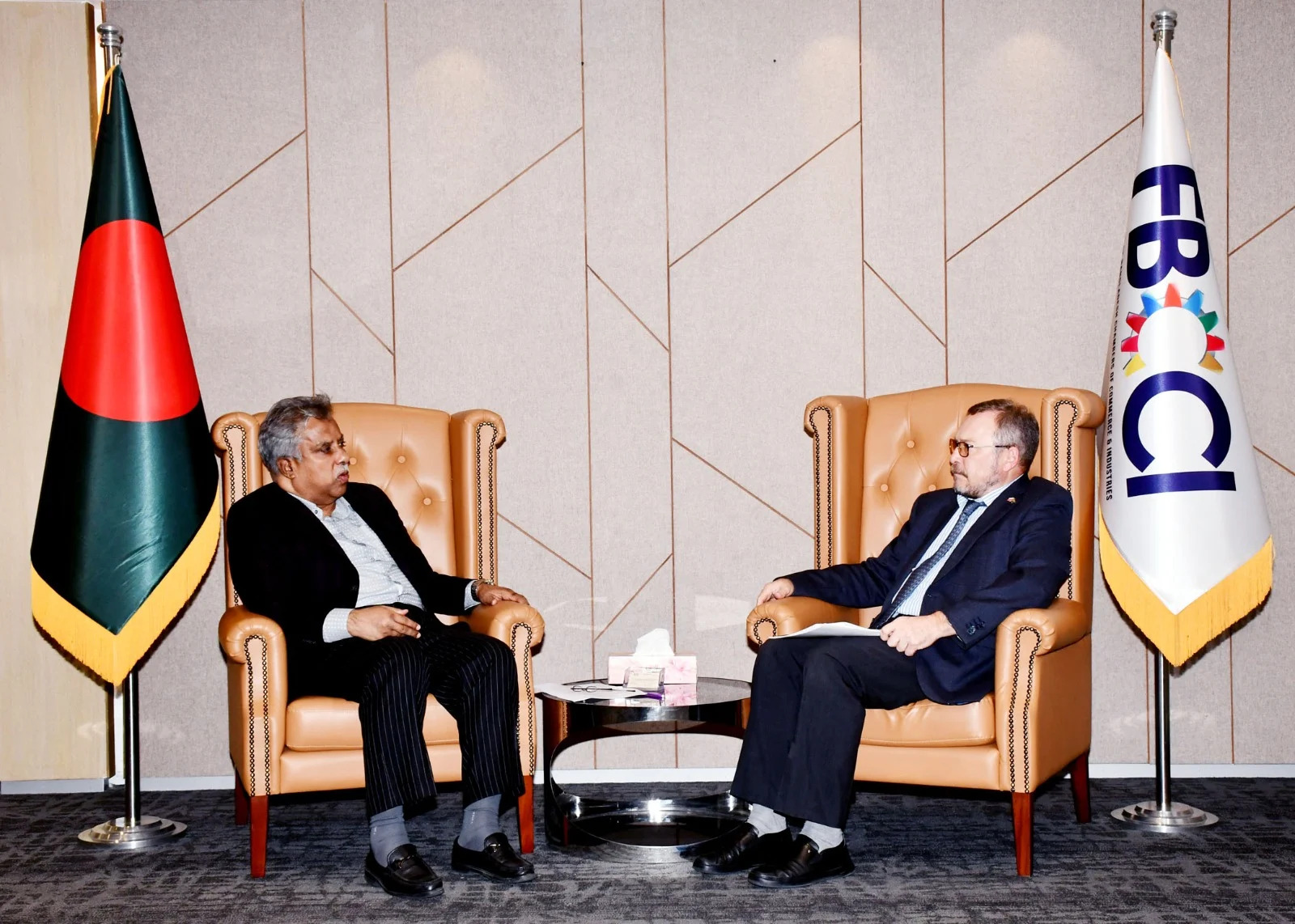
Speaking to reporters following the meeting on Sunday, Jamaat leader Nayeb-e-Ameer Syed Abdullah Mohammad Taher said the party had proposed the creation of an “independent Arakan State” in the Rohingya-majority areas of Rakhine to ensure the repatriation and rehabilitation of the over one million Rohingya refugees currently residing in Bangladesh.
“Humanitarian aid is not a sustainable solution,” Taher said. “We believe only an independent Arakan State can guarantee a safe and dignified return for the Rohingya.”

The Jamaat delegation appealed to China to mediate, citing Beijing’s close ties with the Myanmar military. While Chinese officials have yet to respond publicly, Taher claimed CPC representatives had promised to convey the message to authorities in Beijing.
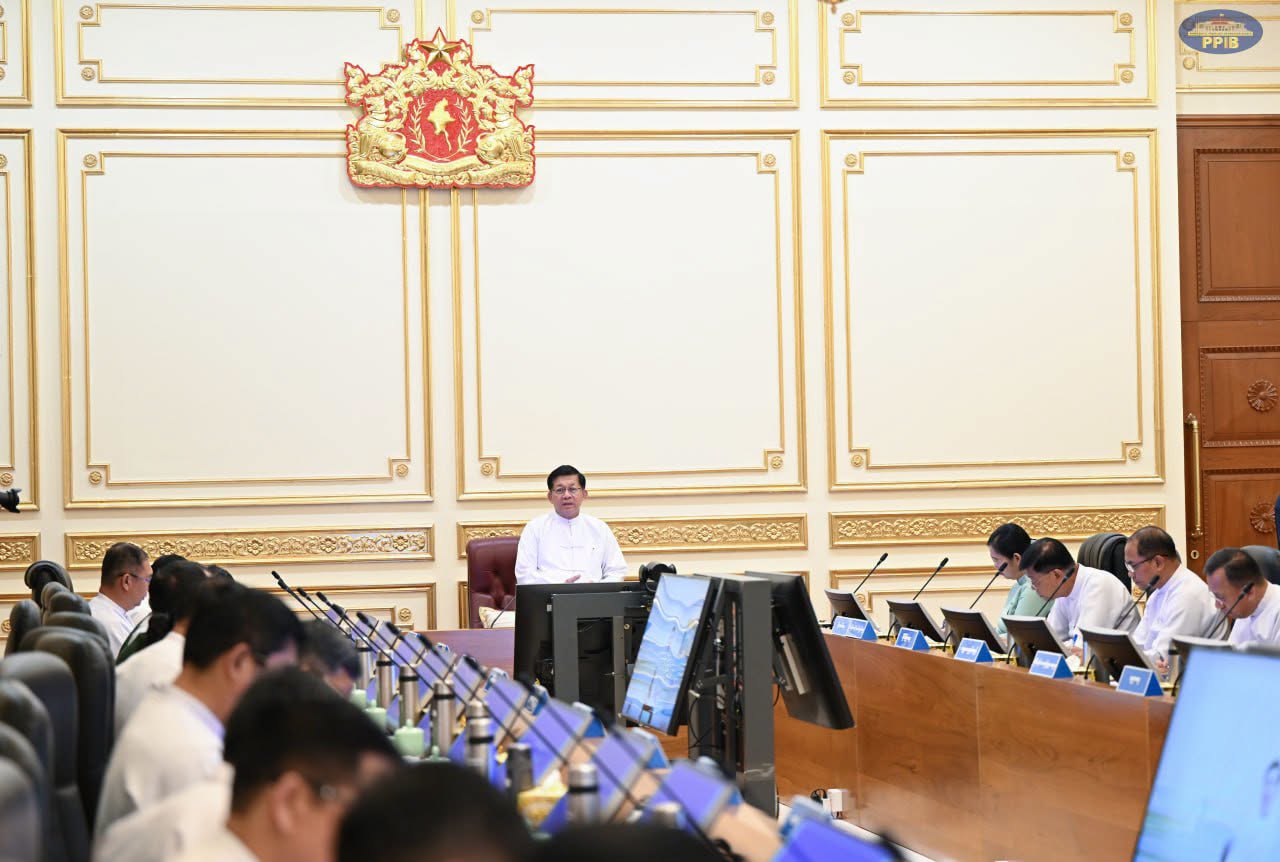
Myanmar’s junta responded swiftly and harshly, denouncing the proposal as a “blatant violation” of its sovereignty and accusing Jamaat of political opportunism.
“This is a clear attempt to exploit the humanitarian issue for political gain,” said the junta in an official statement. “Jamaat-e-Islami has no legitimacy or authority to make territorial demands inside Myanmar.”
The military further reiterated its policy of verifying and registering all refugees prior to repatriation and claimed that adequate facilities had been prepared for returnees. It continued to refer to the Rohingya as “Bengalis,” a term used to deny their ethnic identity and claim they are illegal immigrants from Bangladesh.
The move by Jamaat comes amid increasing regional tensions and shifting alliances. In India, lawmakers from border states have made provocative comments regarding Myanmar’s territorial integrity. A Mizoram state MP visited the anti-regime Chinland Council in Myanmar’s Chin State in March and called for border areas to merge with India, citing ethnic solidarity.
Meanwhile, a Manipur MP proposed in India’s parliament that New Delhi reclaim the Kabaw Valley in Myanmar’s Sagaing Region, a historically contested area.
Myanmar junta spokesman Major General Zaw Min Tun criticized such statements, warning that “self-interest-driven political stunts” could damage bilateral relations and destabilize the region further. “We call on all foreign actors to respect Myanmar’s territorial integrity and sovereignty,” he said.
Myanmar’s military is also facing international legal scrutiny. Earlier this year, an Argentine court issued an arrest warrant for junta leader Min Aung Hlaing and 23 other senior officers over alleged crimes of genocide committed against the Rohingya in 2017. Separately, the International Criminal Court’s prosecutor has submitted a request for an arrest warrant against Min Aung Hlaing.
Since the 2021 coup, the junta has lost significant control over key border regions. Ethnic armed groups including the Arakan Army, the Karen National Union, and the Myanmar National Democratic Alliance Army have seized territories bordering Bangladesh, Thailand, and China. Anti-regime forces now control large portions of Chin, Kachin, and Sagaing regions.
Despite international pressure and ongoing conflict, the junta remains defiant, rejecting external proposals and framing the Rohingya issue as a matter of national identity and border security.
Bob post