Hundreds of Rohingya refugee families in Bangladesh’s Cox’s Bazar are facing a humanitarian crisis after being cut off from essential aid for refusing to comply with biometric registration demands by the UN Refugee Agency (UNHCR).
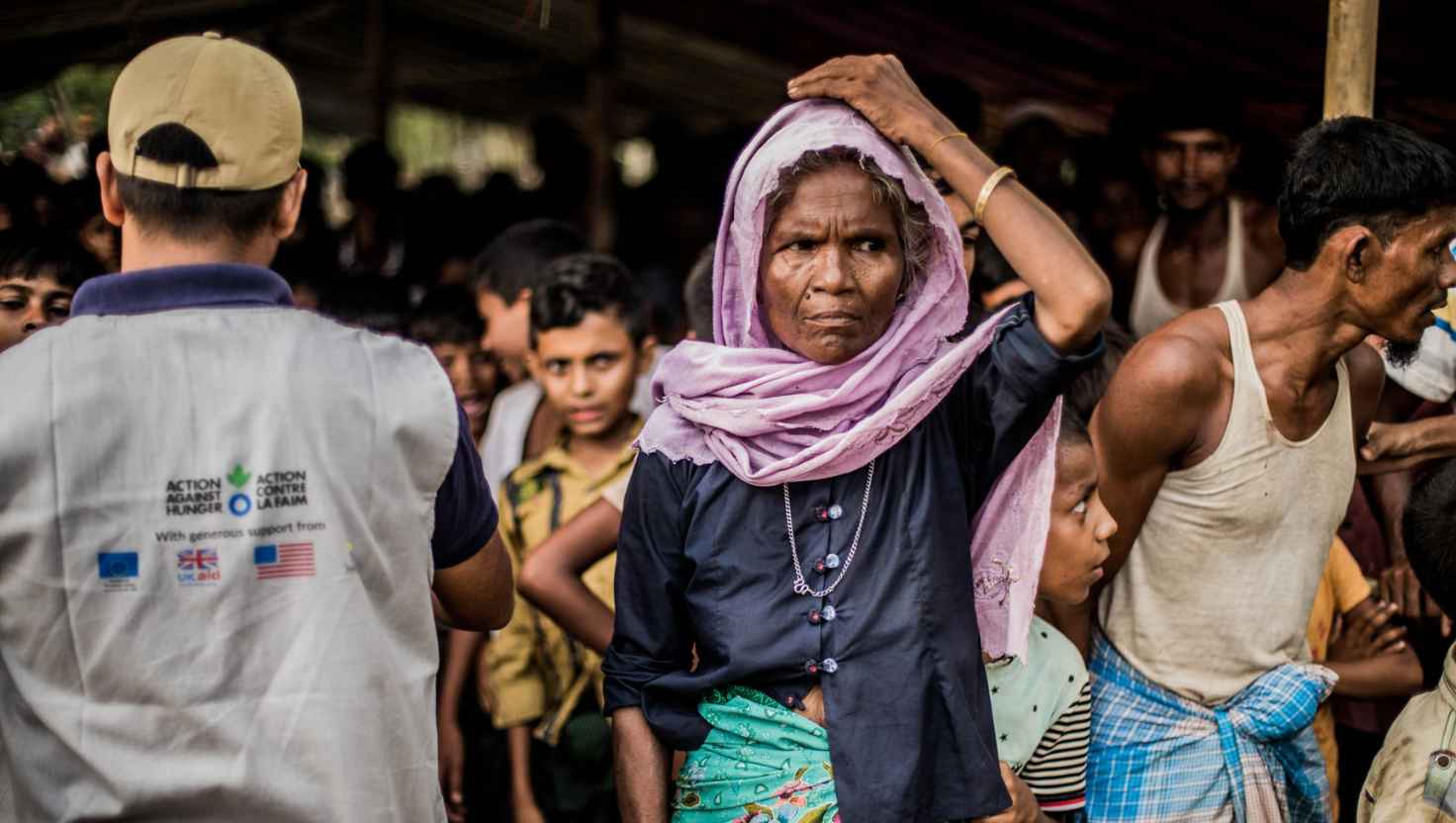
In Nayapara and Kutupalong camps, at least 400 families — comprising over 2,000 individuals — have been denied food rations, cooking gas, hygiene supplies, and access to healthcare since March, after declining to provide fingerprints and iris scans during UNHCR’s latest “registration update.”
“They said it was optional, then they took away our food,” said Afzol Mia, a refugee in Nayapara since 1991. Like many others, his family has received no assistance in months. “No rice, no gas, not even soap.”
In Kutupalong, mother-of-four Shofika Khatun shared a similar story: “Two of my daughters were removed from the ration list just because we didn’t give biometrics. How can children study when they’re hungry?”
Testimonies from refugees suggest a troubling pattern. Fifty-four-year-old Nur Hossain said he was summoned to the Camp-in-Charge (CiC) office with 50 others. “The UNHCR officer warned us — give your biometrics or face consequences,” he said. The CiC reportedly added, “We will make you do it — we know how.”

Refugees argue that their refusal is rooted in fear and experience — not ignorance or obstinacy. Interviews revealed five core concerns: the risk of losing older, legally recognized documents; lack of informed consent; fears over unregulated data-sharing; erasure of their Rohingya identity; and deep-seated mistrust of past UNHCR processes that failed to safeguard them.
“We already have ID cards from the ‘90s,” said Abu Taleb, a residents' committee leader in Nayapara. “They said biometrics would replace those. We feared losing what little legal proof we have.”
UNHCR’s notices warn that refugees who don’t participate in the biometric update will be “inactivated” and denied all future aid — a move legal experts say violates UNHCR’s own policies. According to the agency’s ExCom Conclusion 91 (2001), registration is meant to enhance protection, not punish refugees.
The agency’s Data Protection Policy (2015) also requires that consent be “freely given, informed, and specific.” Refugees interviewed say they were misled into believing the process was voluntary, only to be penalized for opting out.
Inquiries sent to UNHCR’s Cox’s Bazar office regarding the legal basis for withholding aid, and the use of coercive language in official notices, have gone unanswered.
“This is coercion — not protection,” said Mohammed Iqbal, a resident of Kutupalong. He and others are calling for an independent audit of the biometric program, with involvement from Rohingya representatives and data protection experts.
Refugees are also demanding transparency: written guarantees that their data won’t be shared with Myanmar or Bangladesh without explicit consent, the restoration of the word “Rohingya” on all documents, and a halt to punitive measures tied to biometric compliance.
Humanitarian observers say the issue goes beyond Cox’s Bazar. Similar biometric registration controversies have emerged in Jordan, Ethiopia, and other refugee-hosting countries, raising broader concerns about how aid agencies and host governments are weaponizing identity systems.
In Bangladesh, the Smart Cards issued under the joint authority of UNHCR and the Refugee Relief and Repatriation Commissioner (RRRC) omit the word "Rohingya" and are linked directly to aid access. Bangladeshi officials have openly stated the camps are “temporary” and have discouraged any documentation that could suggest permanence or identity.
Aid workers and rights advocates fear the line between humanitarian protection and political complicity is being dangerously blurred.
“Life-saving aid is not a reward for fingerprints,” said Abu Taleb. “Turn the cards back on — for everyone, biometric or not.”
Their demands are clear: food, dignity, identity, and an end to forced compliance masquerading as modernization. As one mother put it plainly: “If UNHCR can’t protect our papers or our name, what hope do we have?”
BOB Post