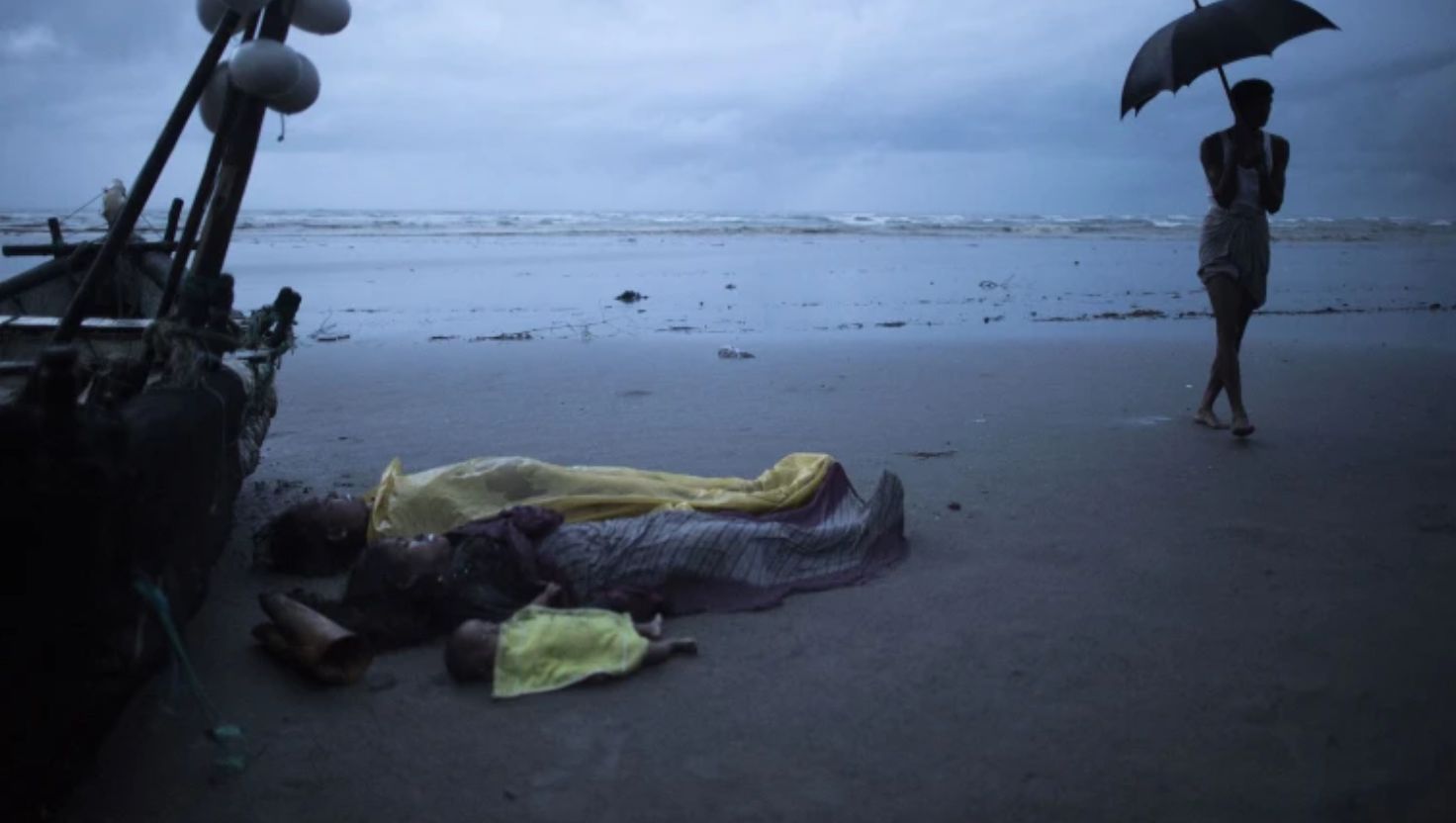
The United Nations has confirmed that at least 427 Rohingya refugees may have drowned in two separate shipwrecks off the coast of Myanmar on May 9 and 10, marking one of the deadliest maritime disasters involving the persecuted ethnic minority this year.
In a statement released Friday, the UN High Commissioner for Refugees (UNHCR) expressed deep concern over the incidents, warning of a worsening humanitarian crisis for the Rohingya people. “If confirmed, these would be the deadliest tragedies at sea involving Rohingya refugees so far in 2025,” the agency said.
According to preliminary reports, the first vessel, carrying 267 people, sank on May 9 with only 66 survivors. A second boat, which capsized the following day with 247 Rohingya on board, had just 21 survivors. Many of the victims were reportedly fleeing either Bangladesh’s Cox’s Bazar refugee camps or Myanmar’s Rakhine State, both epicenters of prolonged displacement and violence.
The Rohingya, a stateless Muslim minority, have endured decades of persecution in Myanmar. Their plight gained international attention in 2017 when over a million Rohingya fled to Bangladesh following a brutal military crackdown in Rakhine State.
UNHCR Commissioner Filippo Grandi described the recent shipwrecks as a “reminder of the desperate situation” the Rohingya face, both in Bangladesh and within Myanmar, as humanitarian assistance continues to shrink.
“The dire humanitarian situation, exacerbated by funding cuts, is having a devastating impact on the lives of Rohingya, with more and more resorting to dangerous journeys to seek safety, protection and a dignified life for themselves and their families,” said Hai Kyung Jun, director of UNHCR’s Asia and Pacific bureau.
The situation in Rakhine State remains unstable. Since the 2021 military coup in Myanmar, the region has seen intensified conflict between the junta and the Arakan Army, an ethnic armed group. Rohingya who remained in Rakhine are often confined to overcrowded camps, facing restrictions on movement, access to education, and healthcare.
Meanwhile, humanitarian groups report that 657 Rohingya have died at sea in 2024 alone. Funding for refugee support has been slashed significantly, with major donors, including the United States and several Western governments, diverting funds toward increased defense spending amid global geopolitical tensions.
UNHCR’s appeal for $383 million in funding for Rohingya support in 2025 has so far received only 30% of the required amount. The agency continues to call for urgent international assistance to prevent further loss of life and to stabilize conditions for Rohingya in host countries and within Myanmar.
As the crisis deepens, the UN and human rights groups are urging the global community to act swiftly before more lives are lost to neglect, displacement, and desperation.
BOB Post