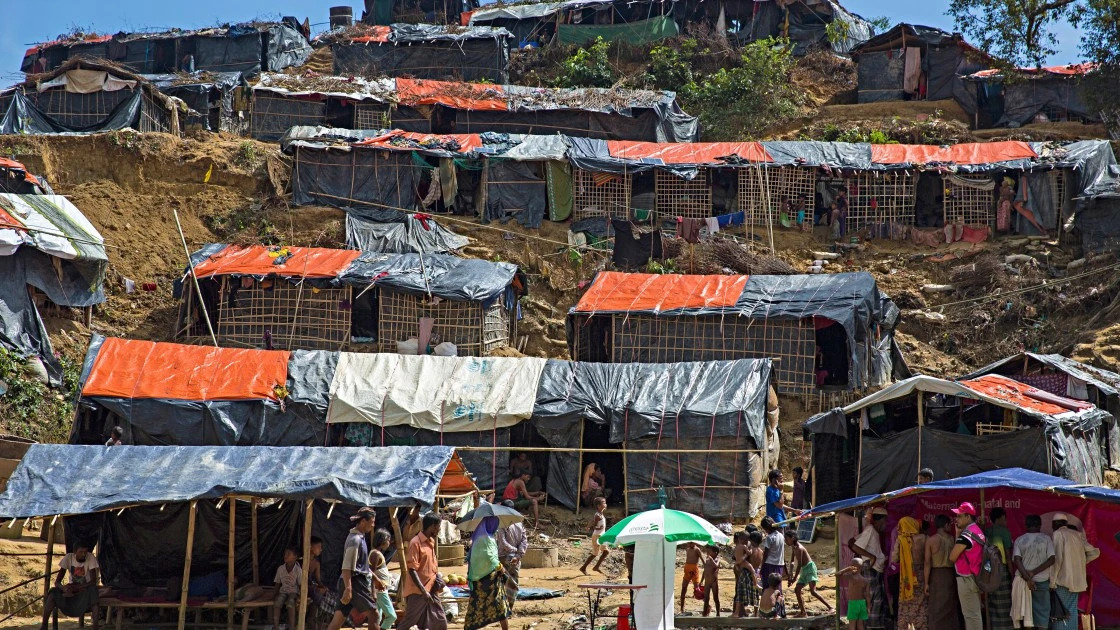
Bangladesh will establish two army camps in the hilly areas near Rohingya camps in Ukhiya to tackle frequent kidnappings, ransom demands and other criminal activities, Home Minister Salahuddin Ahmed said on Thursday.
The camps will be set up at Noakhalipara and Rangikhali under the 10 Army Division as part of efforts to strengthen security around the refugee settlements, he said after a meeting of the national coordination committee on Rohingya camps at the Secretariat.
“Kidnappings for ransom regularly occur in the hills of Ukhiya and Noakhalipara,” the minister said, adding that the army deployments were intended to prevent such incidents.
According to the Daily Sun, the government has also decided to strengthen security infrastructure around the camps, where sections of barbed-wire fencing and boundary walls have been damaged and CCTV cameras frequently stop working.
The planned measures include repairing damaged fences, installing solar-powered lighting at regular intervals, adding CCTV cameras and constructing control towers and watchtowers to improve surveillance.
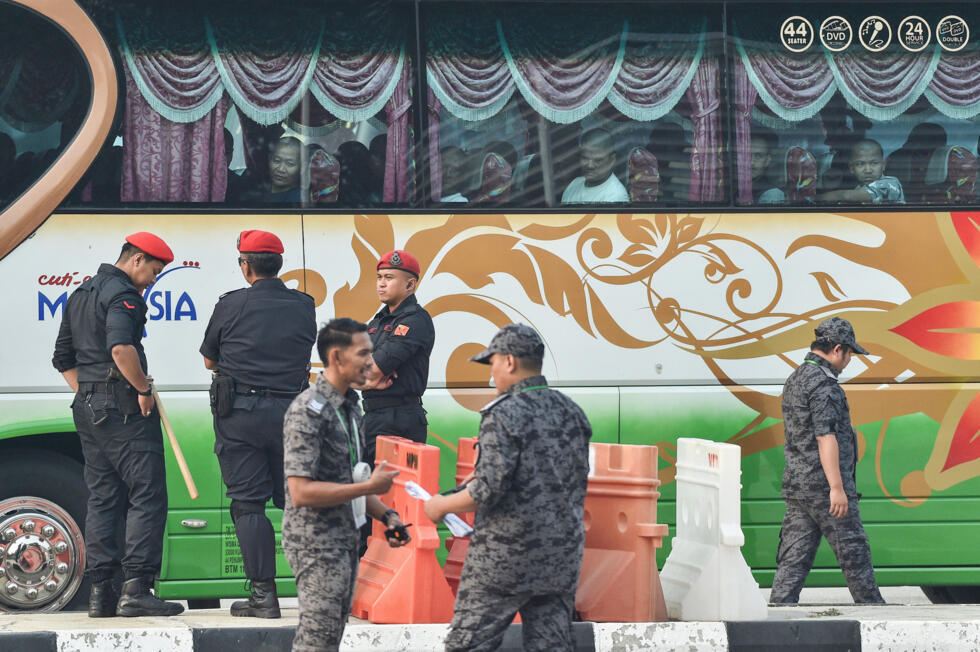
The security initiative comes amid continuing concerns over criminal activity in and around the Rohingya settlements in Cox’s Bazar, where authorities have identified drug trafficking, illegal arms, human trafficking, online gambling and the movement of armed groups as major challenges.
Salahuddin, who chairs the national committee on Forcibly Displaced Myanmar Nationals (FDMNs), said joint operations targeting drugs, weapons and human trafficking were being conducted both inside and outside the camps under the leadership of a deputy inspector general of the Armed Police Battalion (APBn).
The committee includes representatives from the foreign ministry, the disaster management and relief ministry, the Refugee Relief and Repatriation Commissioner’s office, law enforcement agencies, the Armed Forces Division, Border Guard Bangladesh and the Coast Guard.
The minister also outlined the military’s role in the event of war or other emergencies, saying the army would assume responsibility under the 39 Division. Standard operating procedures have already been prepared to guide the response in such circumstances, he added.
Separately, the government has amended the APBn Act to expand the battalion’s investigative powers. Previously, around 400 officers at the sub-inspector level serving in the force were not authorised to investigate offences, the minister said.
The latest measures reflect the government’s efforts to tighten security around the Rohingya camps, which have faced persistent challenges from criminal networks and armed groups. The authorities aim to improve surveillance, strengthen law enforcement and reduce the risks faced by refugees and nearby communities.
BOB Post