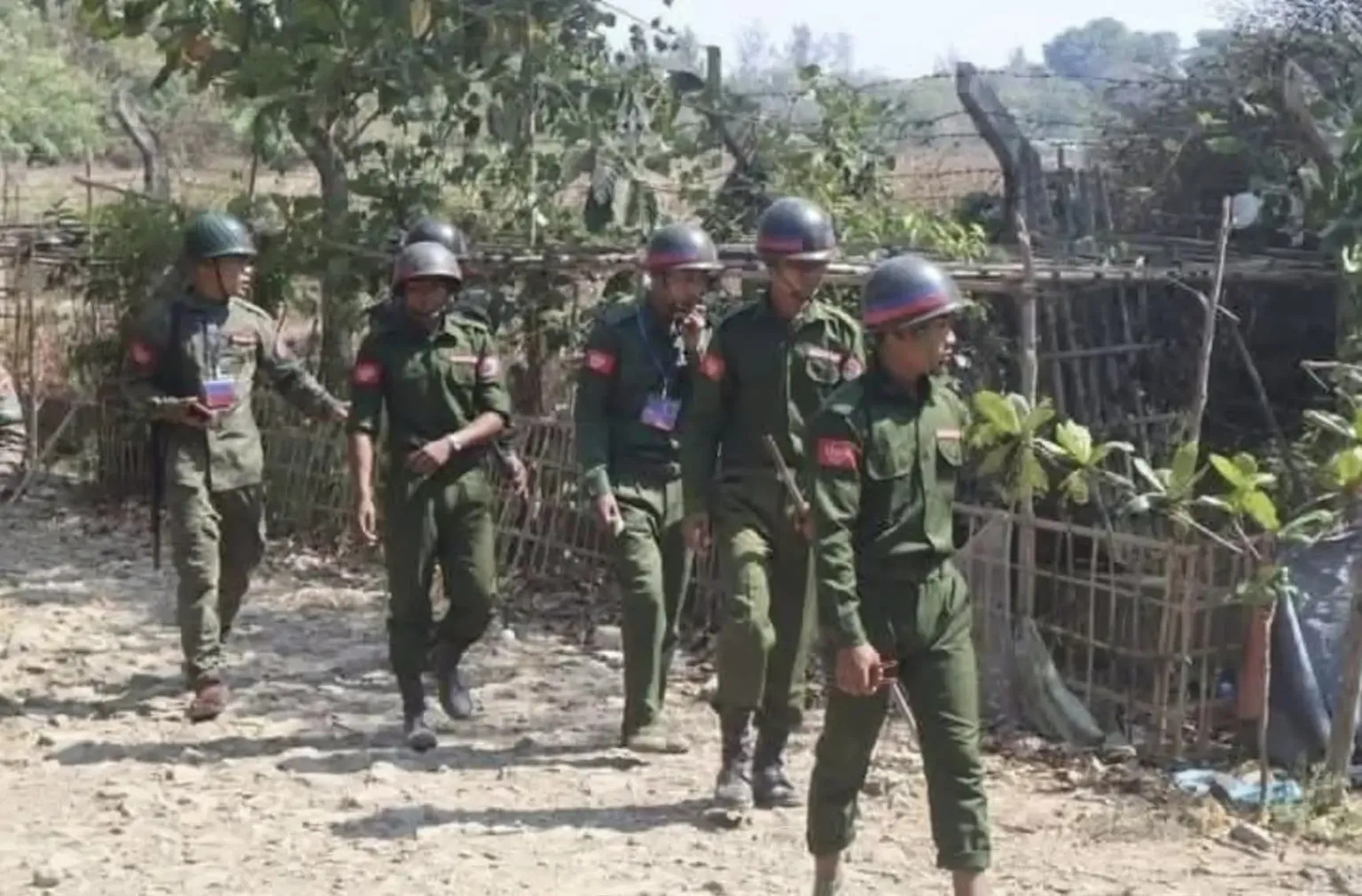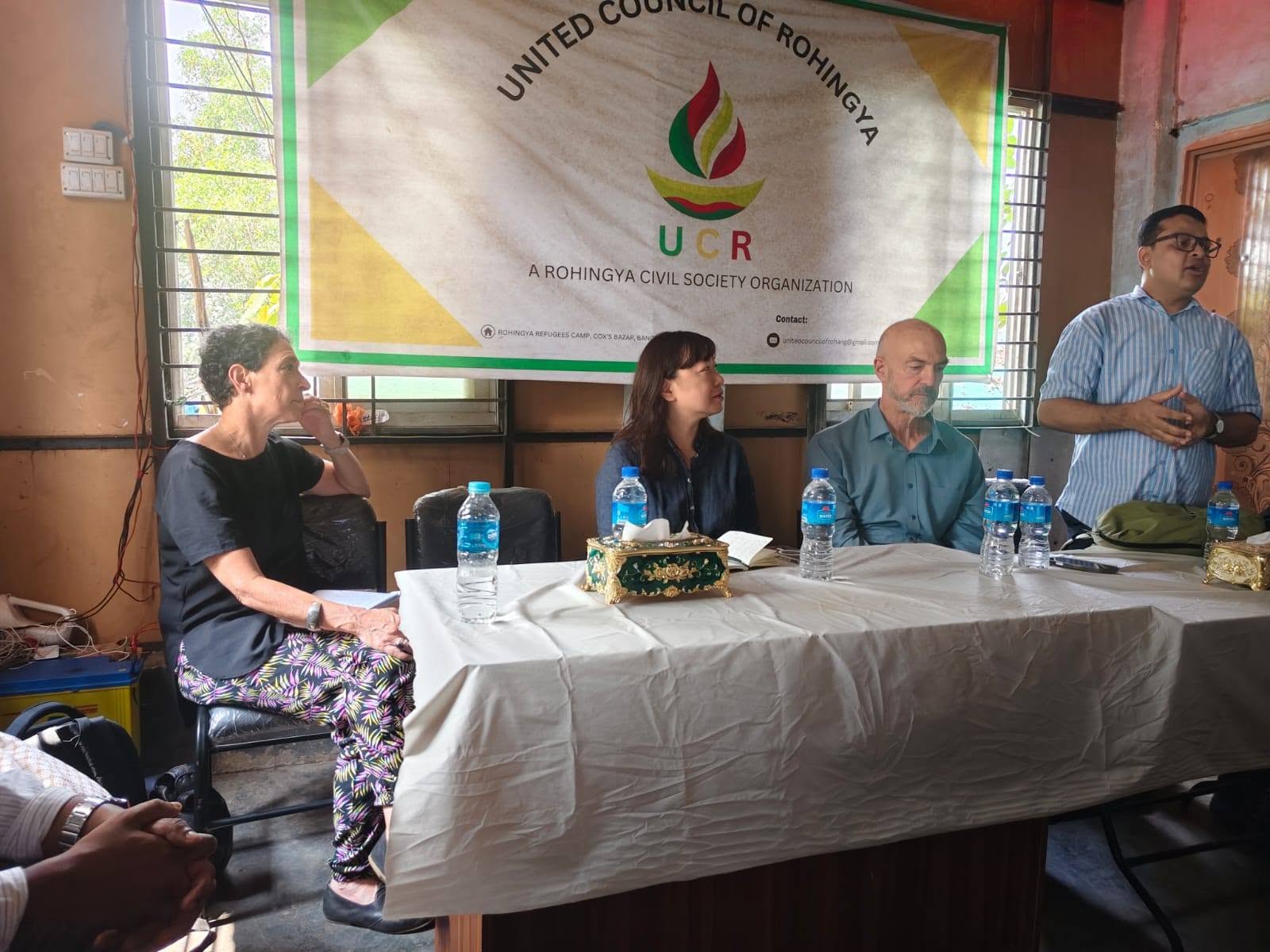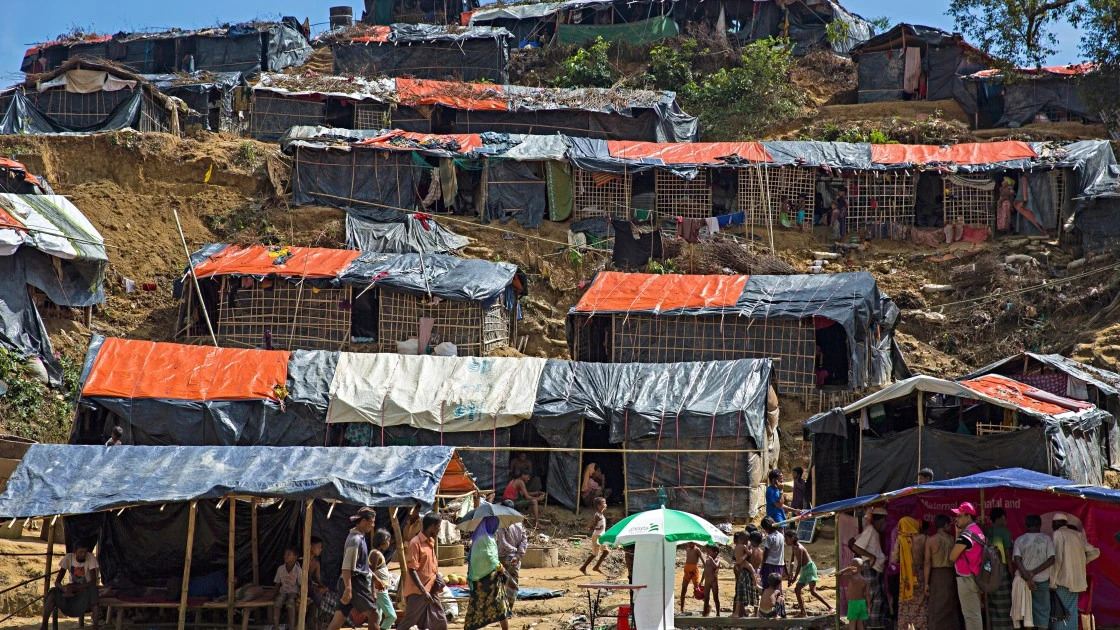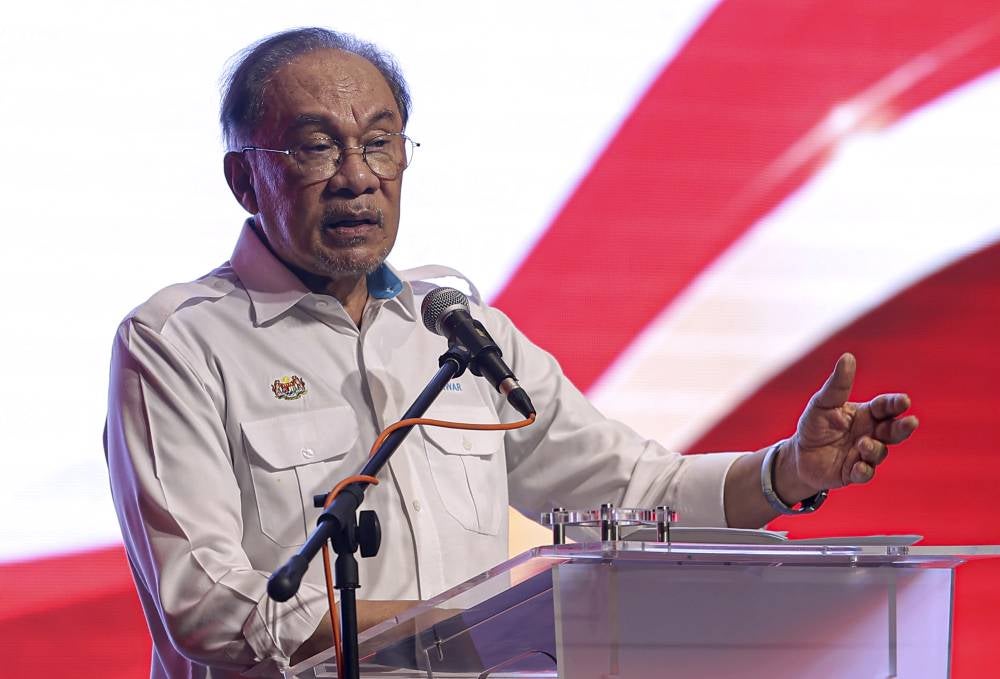
Malaysian Prime Minister Datuk Seri Anwar Ibrahim has announced that Myanmar has agreed to receive 5,000 Rohingya refugees currently living in Malaysia and 300,000 Rohingya from Bangladesh as part of ongoing repatriation efforts, highlighting what he described as the outcome of sustained diplomatic engagement between the two countries.
Speaking during a meeting with local constituents in Chennah on Wednesday, Anwar said the agreement was reached through negotiations with Myanmar and underscored the importance of maintaining constructive bilateral relations. According to The Business Standard, Anwar said Myanmar's willingness to receive the refugees reflects the role of careful diplomacy in addressing the long-standing humanitarian issue.
"That is why it is important to maintain good relations with Myanmar. They have now agreed to take back 5,000 Rohingya from Malaysia and 300,000 Rohingya from Bangladesh," Anwar was quoted as saying by Malaysian daily The Star. "These matters require careful diplomacy."
The Malaysian premier also said he had directed the country's Inspector-General of Police to take firm action against Rohingya refugees involved in activities that disrupt public order.
"I have already warned them, and yesterday I instructed the inspector-general of police that I do not want Rohingya disrupting roads and public places. This is Malaysia. They cannot disturb us. The police will take action," he said.
Anwar noted that previous calls to deport Rohingya refugees from Malaysia had been difficult to implement because Myanmar had consistently refused to accept them.
"People say, 'Send them back.' But where do we send them? Previously, Myanmar did not want to receive them," he said.
He added that Rohingya refugees have been accommodated in designated locations in Malaysia and urged members of the community to respect Malaysian laws and avoid actions that could inconvenience the public.
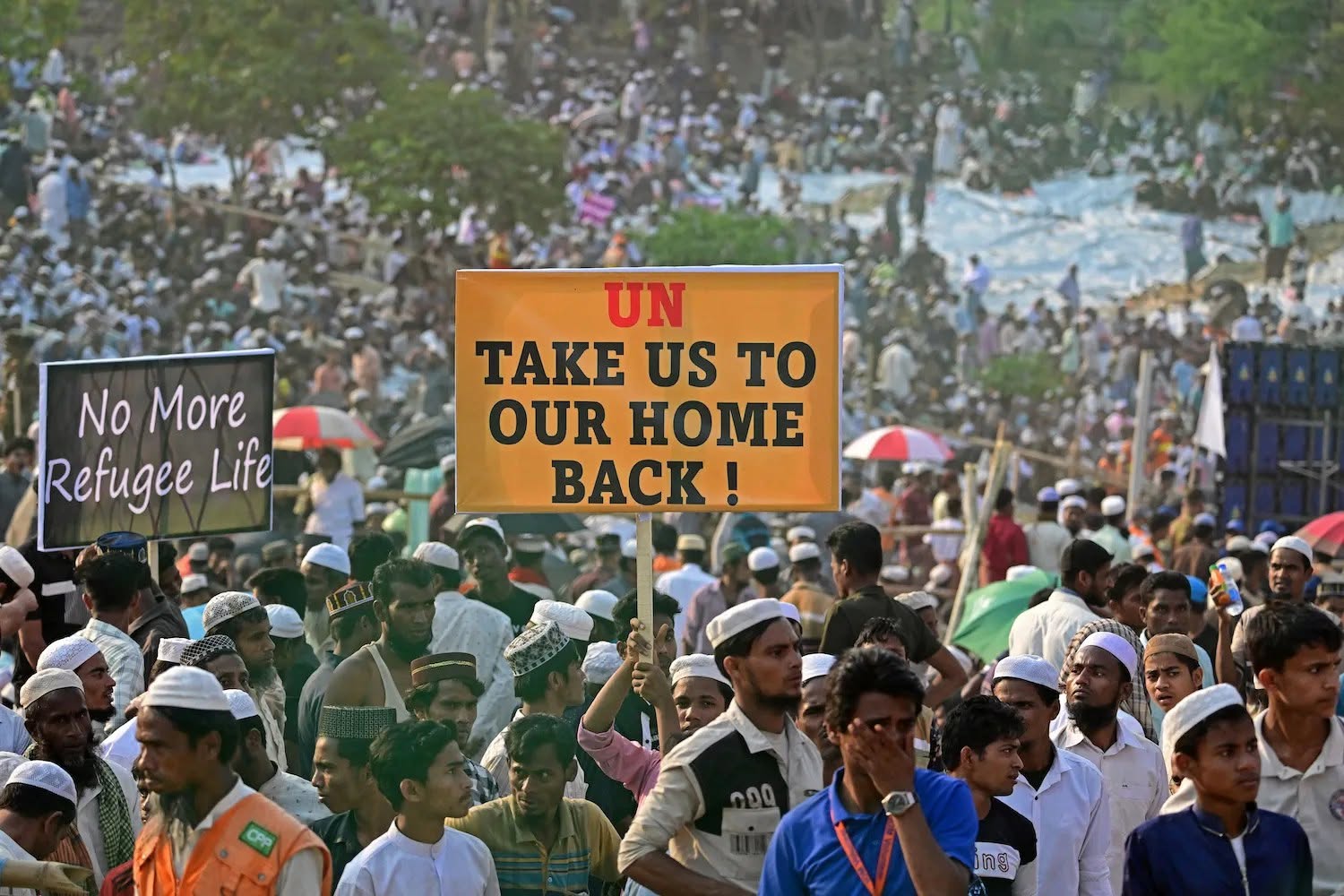
The announcement comes as Bangladesh continues to host more than one million Rohingya refugees who fled persecution and conflict in Myanmar's Rakhine State. While Bangladesh and Myanmar have held several rounds of discussions on voluntary repatriation over the years, repeated attempts to begin large-scale returns have stalled because of insecurity in Rakhine and concerns over safety, citizenship rights, and dignified reintegration for the refugees.
The development comes as Bangladesh has renewed efforts to advance voluntary Rohingya repatriation through regional and international diplomacy. According to Dhaka Tribune, Dhaka has continued to emphasize that the only sustainable solution to the crisis is the safe, voluntary, dignified and sustainable return of Rohingya to Myanmar, while repeatedly urging stronger engagement from ASEAN and the international community to help create conditions conducive to repatriation.
No further details were immediately available on the timeline, conditions, or implementation mechanism for the reported repatriation of the 300,000 Rohingya from Bangladesh.
BOB Post