Myanmar appears to be returning to a familiar strategy on the Rohingya crisis, talking about repatriation while leaving the key conditions for a safe return unresolved.
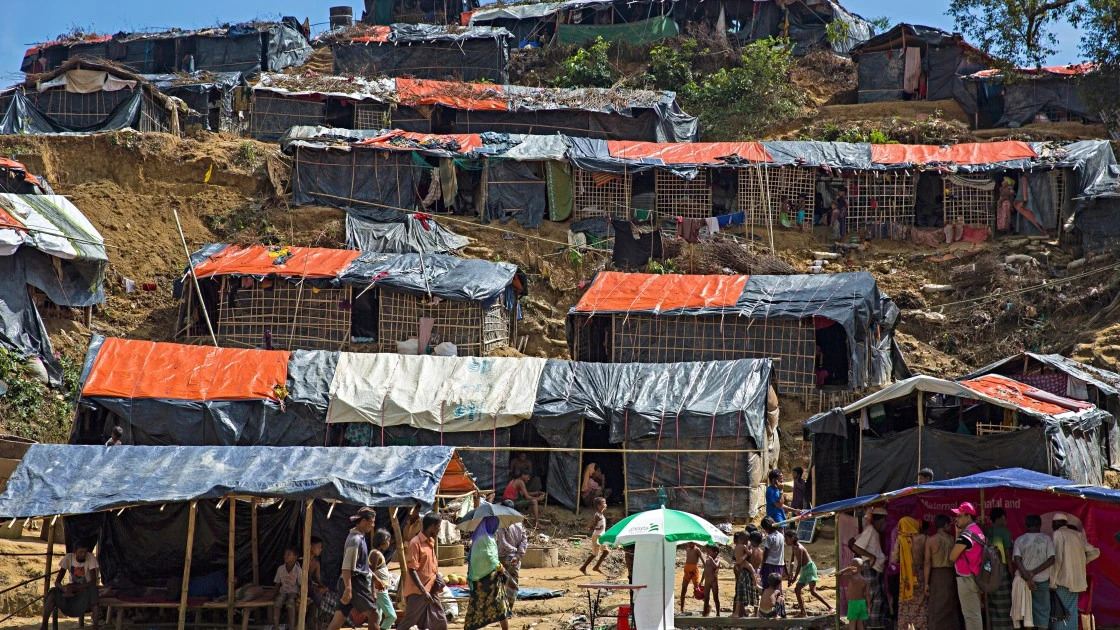
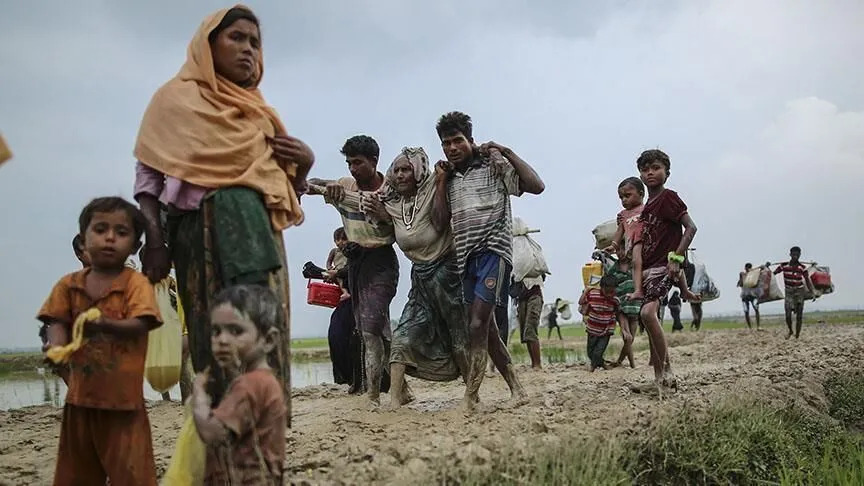
Nearly nine years after more than 700,000 Rohingyas fled to Bangladesh following a military crackdown in Rakhine State, around 1.2 million remain in camps across Cox’s Bazar and Bhasan Char.
Myanmar’s government said more than 300,000 Rohingyas in Bangladesh were former residents of Rakhine State. It said they could return once security conditions improve.
The statement, however, gave little detail about how Myanmar plans to ensure their safety or guarantee their rights after return.
It also repeated Myanmar’s long-standing position on Rohingya identity.
The authorities continue to describe the community as “Bengalis” and refuse to recognize the Rohingya as one of the country’s officially recognized ethnic groups.
For Bangladesh and Rohingya representatives, the issue goes beyond terminology.
The central question is whether Myanmar is ready to create conditions that would allow refugees to return voluntarily, safely and with dignity.
Myanmar has made similar commitments before.
Previous repatriation efforts stalled over verification disputes, security concerns and disagreements over who would be allowed to return.
The latest figures show that the verification process remains complicated.
Bangladesh provided Myanmar with a list of 828,824 Rohingyas. Myanmar said it had verified 426,545 names by July 31.
Of them, 308,797 were identified as former residents of Rakhine State. Myanmar said it could not verify the information of another 113,507 people.
It also classified 4,241 individuals as being involved in “terrorist activities”.
The figures raise another concern.
Past verification processes have sometimes separated members of the same family. Some were cleared while others were rejected.
Such practices have made organized repatriation difficult and deepened mistrust among the refugees.
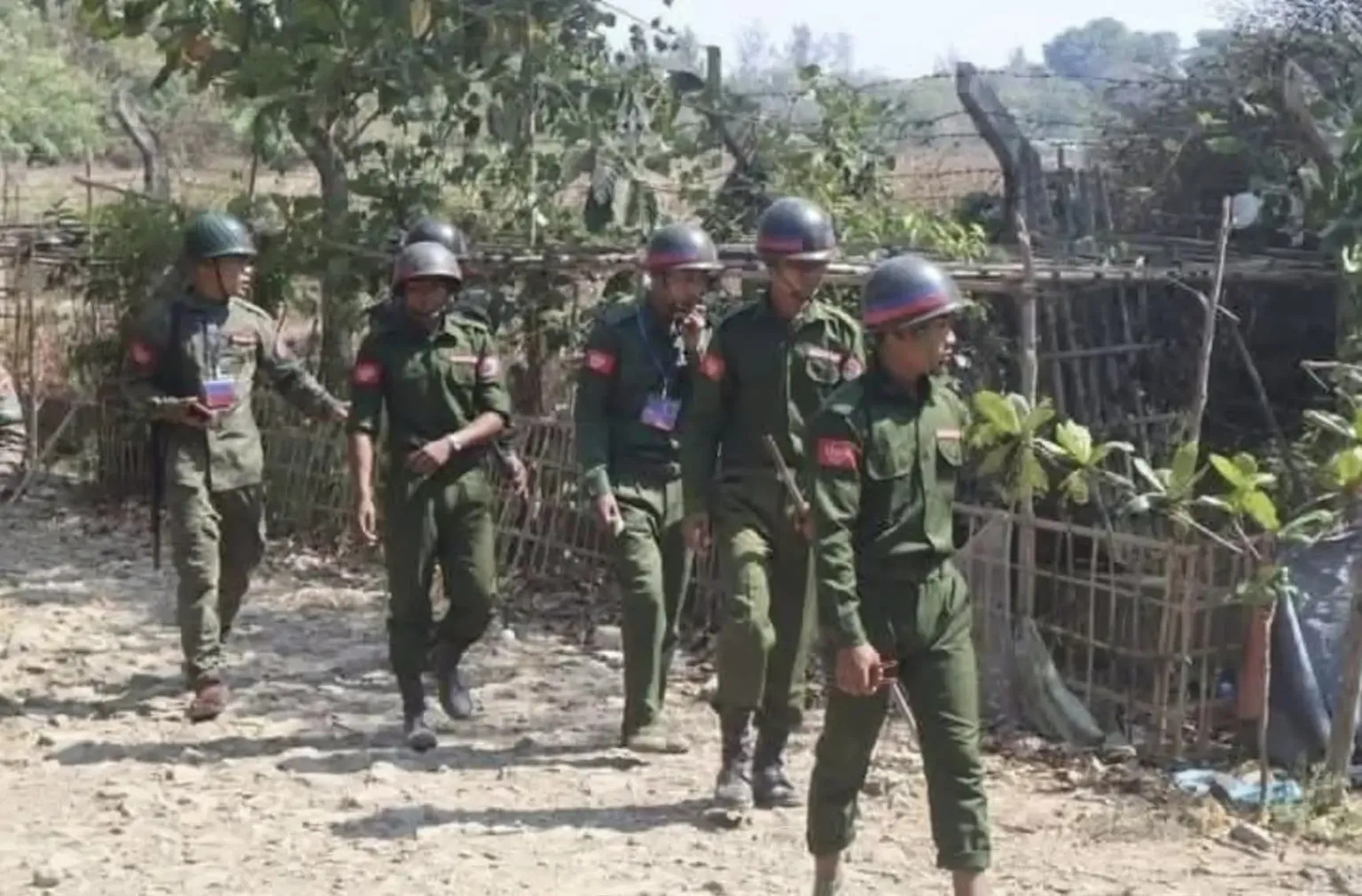
Meanwhile, conditions inside Rakhine State remain a major concern.
Myanmar says it will facilitate the return of verified refugees when the security situation becomes more stable. But it has yet to provide a clear mechanism for protecting returnees.
For Bangladesh, that uncertainty is critical.
The country continues to host a huge refugee population while international humanitarian funding faces growing pressure.
The Rohingya crisis has therefore become more than a refugee issue. It is also a test of whether Myanmar is prepared to address the roots of the crisis.
So far, its latest message sounds familiar. Repatriation is being discussed again. But the conditions needed to make it happen remain largely unanswered.
BOB Post