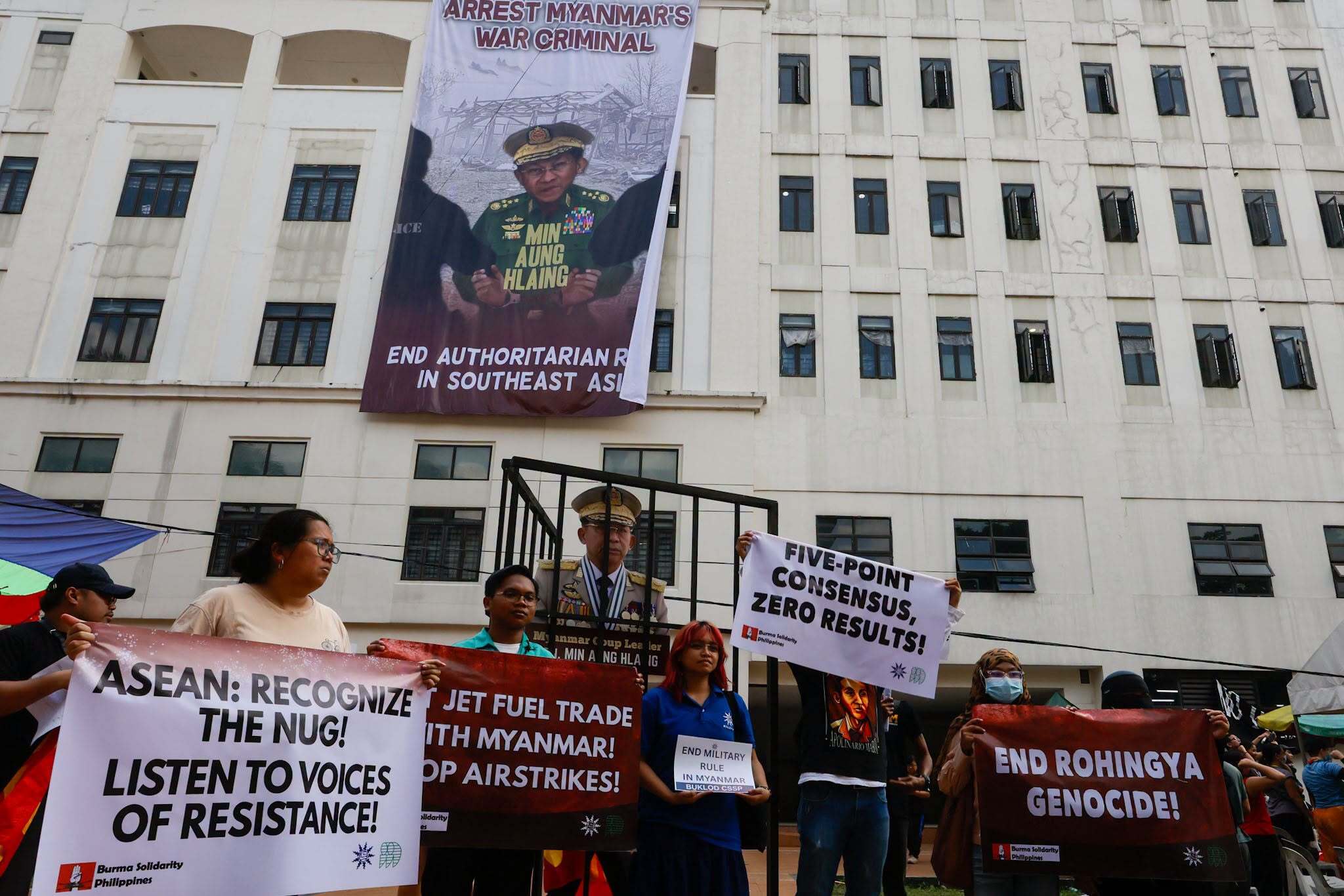
Protesters in the Philippine capital Manila have demanded the arrest of Myanmar military leader Min Aung Hlaing, accusing five Southeast Asian nations of legitimizing his rule despite allegations of war crimes and crimes against humanity.
The demonstration was held at the University of the Philippines Diliman Student Union Building as regional leaders gathered in Manila for the 49th ASEAN Summit. Protesters unfurled a large banner depicting Min Aung Hlaing and welcomed ASEAN’s decision to exclude him from the summit on November 15, saying diplomatic isolation alone would not deliver justice to victims of Myanmar’s military abuses.
According to a DBV report, the protest was organized by Burma Solidarity Philippines (BSP), whose members called on ASEAN governments to go beyond restricting the military leader’s participation in regional meetings and support efforts to hold him accountable before international courts.
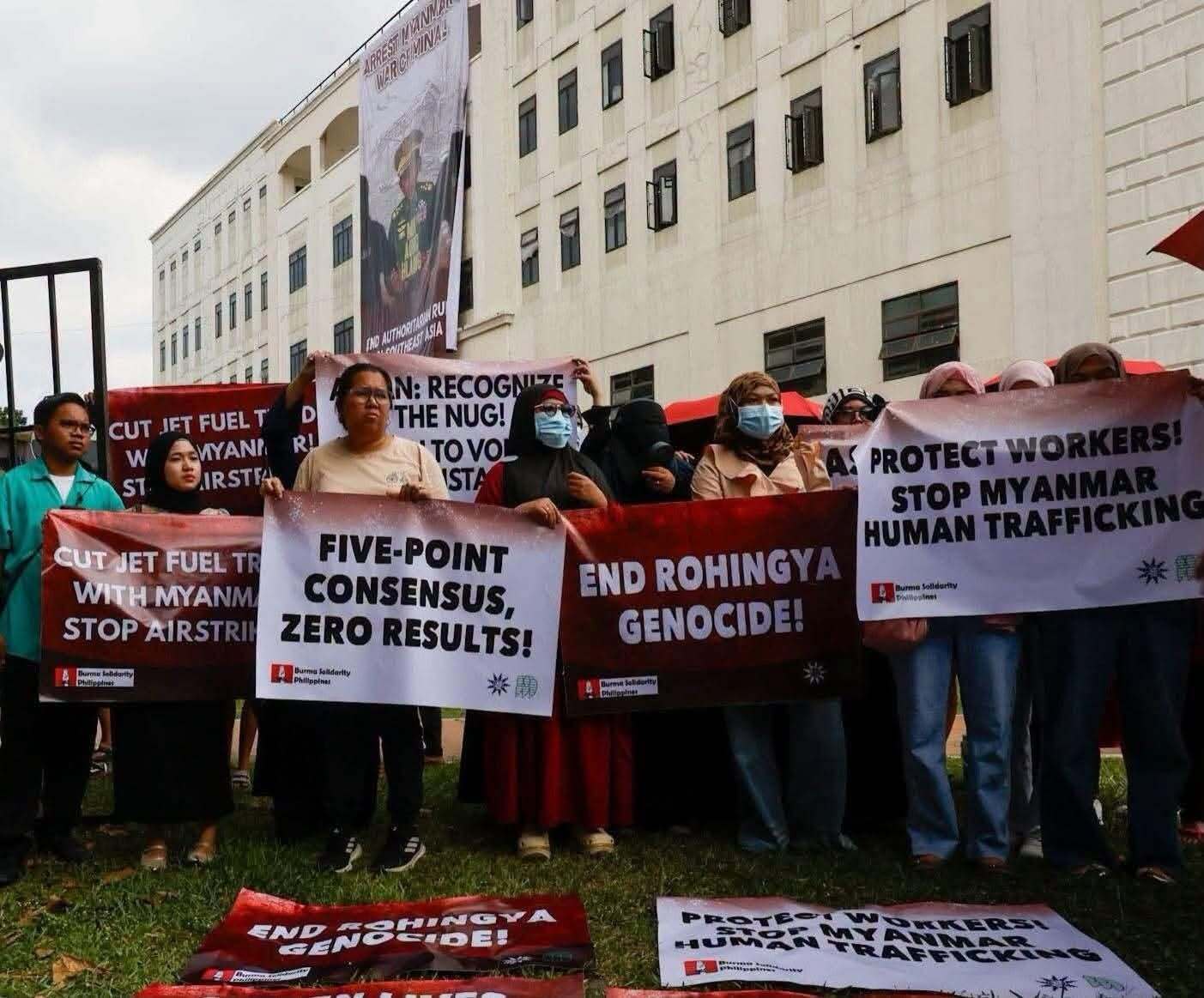
“Min Aung Hlaing is not a leader. He belongs in a prison cell,” said Gani Abunda, BSP convener and organizer, urging the international community to send the Myanmar military chief to the International Criminal Court (ICC).
The protesters also criticized Cambodia, Laos, Malaysia, Thailand and Vietnam for maintaining engagement with Myanmar’s military authorities. They accused the five countries of undermining ASEAN’s stated position by maintaining diplomatic relations with a regime that seized power in the February 2021 coup and later organized an election widely dismissed by its critics as illegitimate.
“They close the door here in Manila, and open the palace gates there. That is not principle. That is hypocrisy,” Abunda said, accusing regional governments of sending contradictory messages over Myanmar’s political crisis.
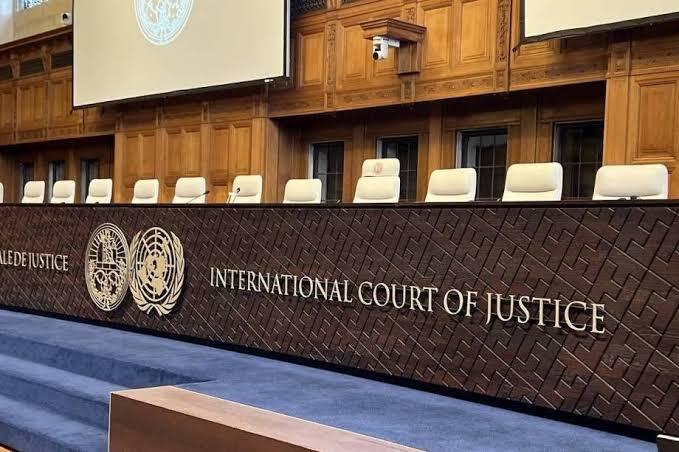
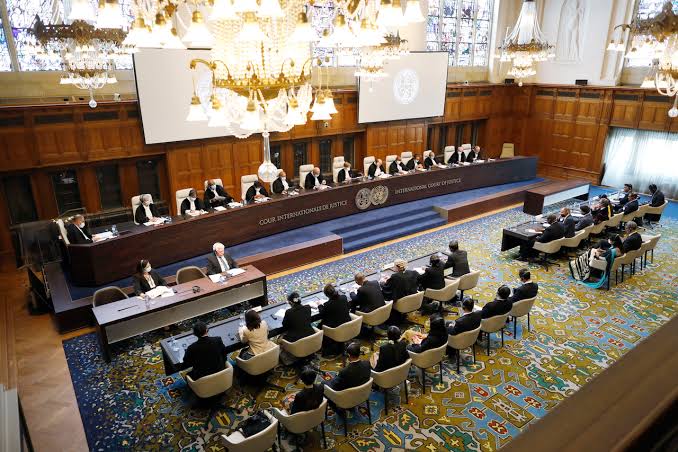
The demonstration came four days before the International Court of Justice (ICJ) is scheduled to deliver its judgment on November 19 in the landmark genocide case brought by The Gambia against Myanmar over the military's 2017 crackdown on the Rohingya.
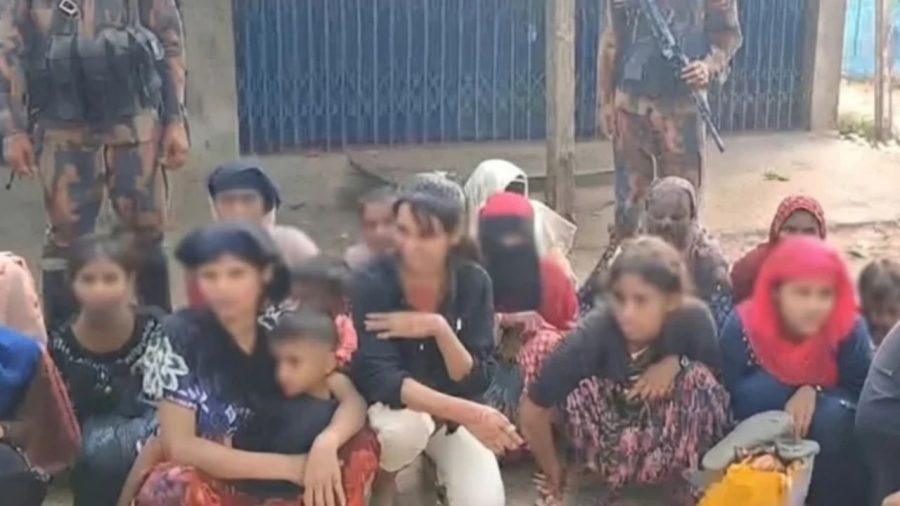
The case concerns allegations that Myanmar violated the 1948 Genocide Convention during its military operations against the Rohingya, which forced hundreds of thousands of people to flee to neighboring Bangladesh.
Abunda said the upcoming ruling would put pressure on governments across the world, including ASEAN members, to demonstrate their commitment to preventing genocide and ensuring accountability.
“Will you stand with the victims or with the man in the uniform?” he said, vowing that activists would continue speaking out against genocide, war crimes and crimes against humanity.
The Rohingya genocide case has become a major test of international efforts to secure justice for the persecuted minority, while ASEAN continues to face criticism over its failure to resolve Myanmar’s prolonged political and humanitarian crisis.
BOB Post