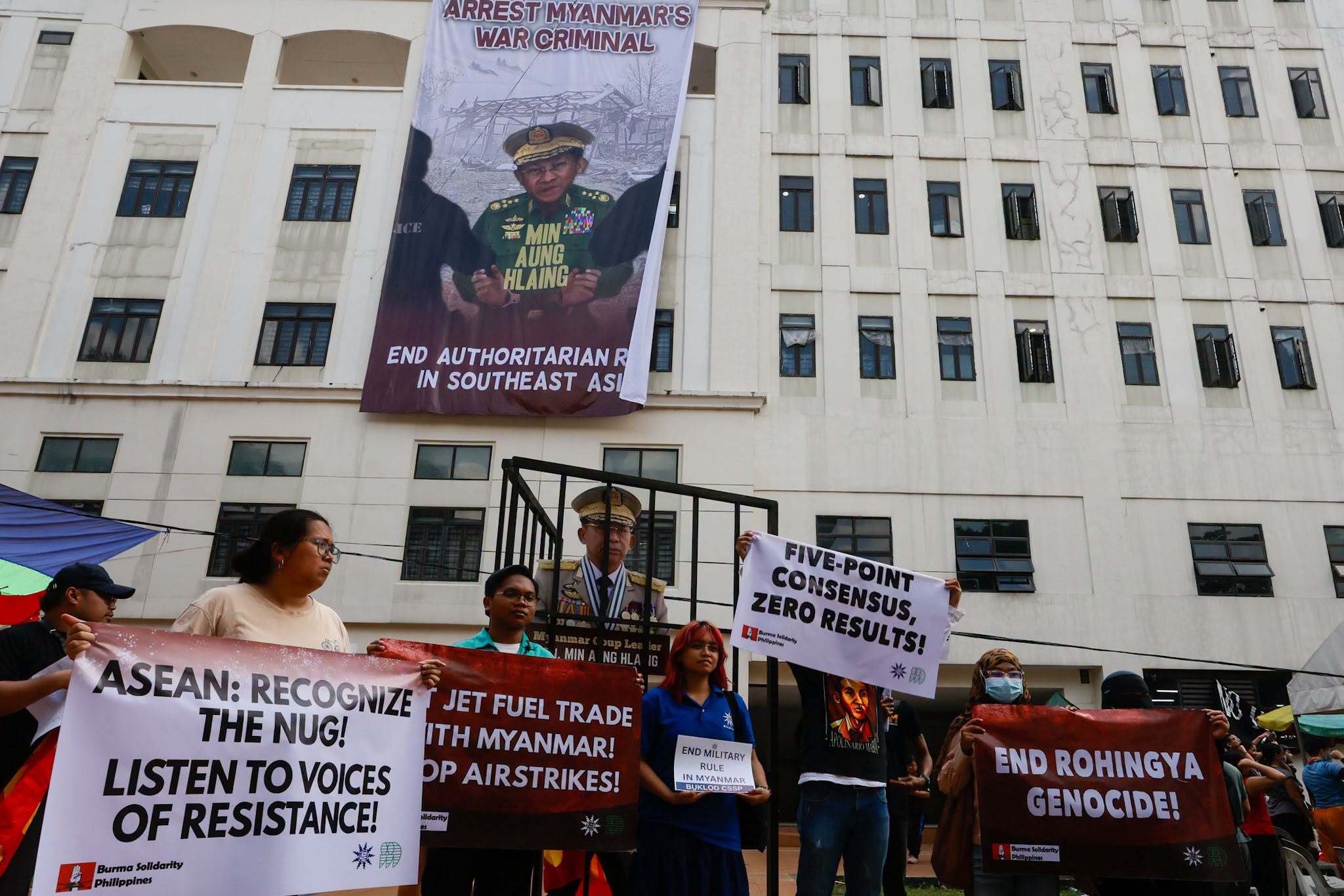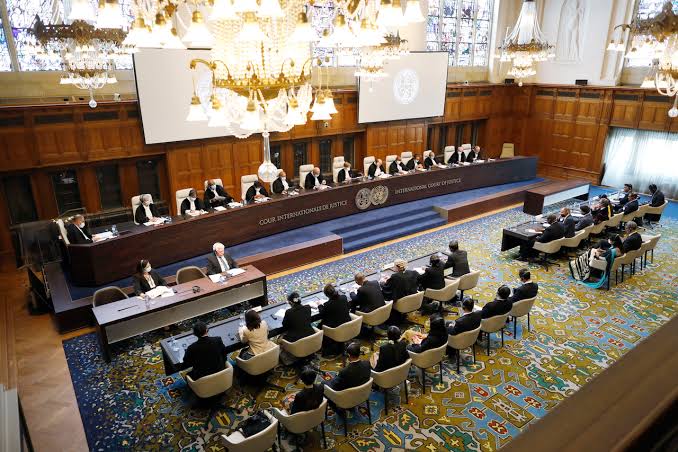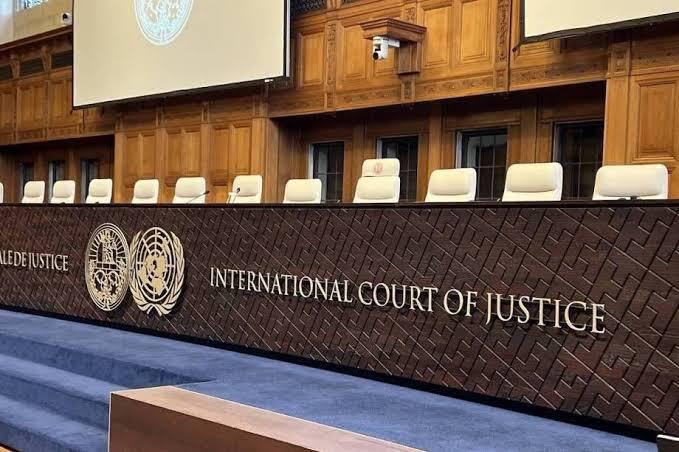
The International Court of Justice’s (ICJ) November 19 judgment in The Gambia’s genocide case against Myanmar could become a landmark moment for international justice. But for the Rohingya, nearly a decade after the 2017 atrocities, legal recognition alone cannot end a persecution that continues under shifting forces and deepening conflict in Rakhine State.
An analysis by the Armed Conflict Location & Event Data (ACLED) project highlights how Rohingya civilians remain caught between Myanmar’s military and the Arakan Army (ULA/AA), facing targeted arrests, forced recruitment, movement restrictions, detention and deadly attacks. The findings expose a disturbing reality: the perpetrators and patterns of violence may have changed, but the vulnerability of the Rohingya has endured.
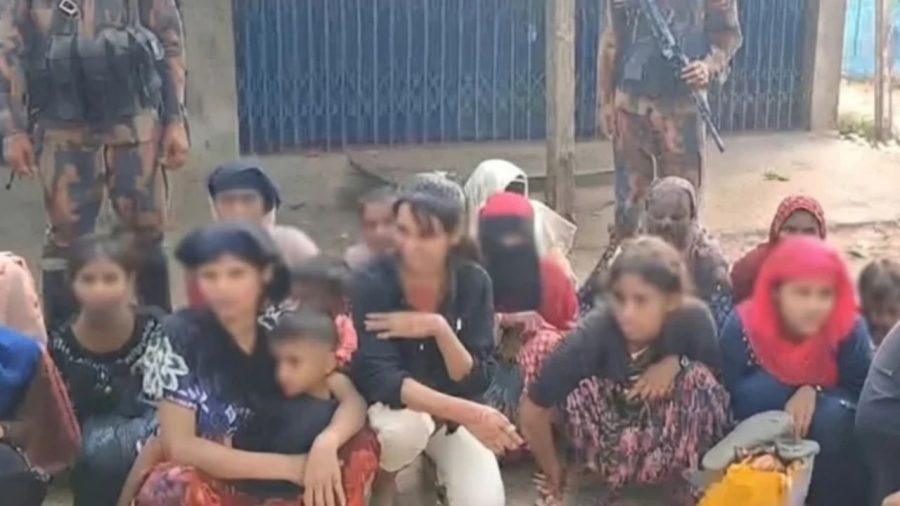
ACLED records more than 100 targeted arrests of Rohingya since the 2021 military coup. Two incidents alone resulted in the deaths of 20 Rohingya, either in detention or during military arrests. The situation deteriorated further in 2024 as fighting intensified between the military and the Arakan Army. On August 5 that year, hundreds of Rohingya fleeing Maungdaw reportedly died in drone and artillery attacks while attempting to cross the Naf River.
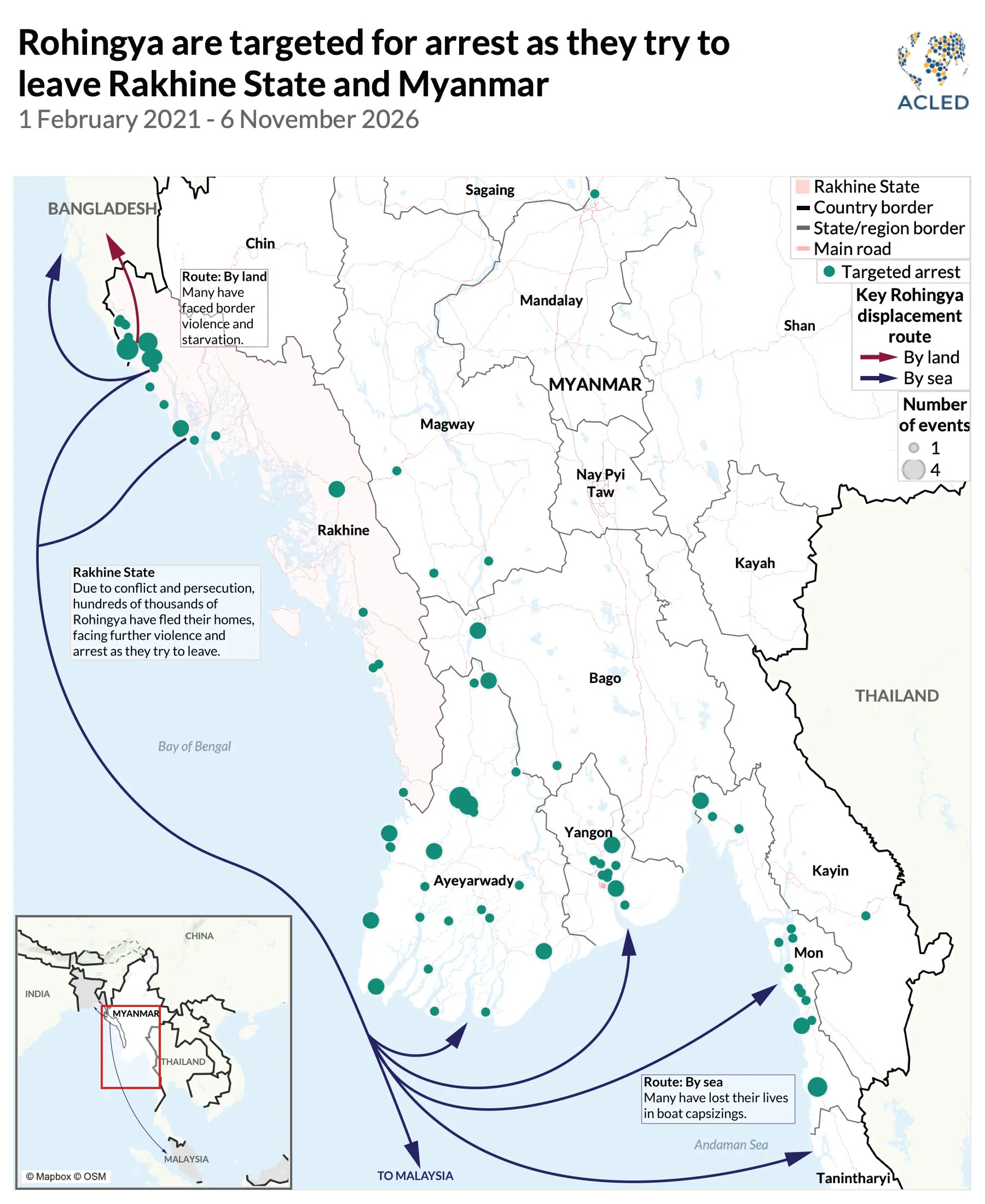
The expansion of armed-group operations, particularly ARSA attacks against the Arakan Army in 2025, has further exposed Rohingya communities to reprisals and collective punishment. In areas under Arakan Army control, reports of forced recruitment, arbitrary detention and restrictions on movement raise serious questions about civilian protection and the treatment of a population already subjected to decades of systematic discrimination.
The international community must recognize that Rohingya persecution is not simply a consequence of Myanmar’s wider civil war. It is rooted in the denial of citizenship, identity and fundamental rights. No armed authority can justify abuses against civilians by invoking counterinsurgency or territorial control.
The ICJ judgment could establish Myanmar’s state responsibility, strengthen demands for reparations and reinforce the international obligation to prevent genocide. Yet a legal victory will mean little to displaced Rohingya if it is not followed by sustained diplomatic pressure, accountability and concrete protection on the ground.
For Bangladesh, which continues to shelter more than a million Rohingya , the stakes are equally significant. Repatriation cannot be treated as a diplomatic deadline or a political aspiration while Rakhine remains engulfed in conflict and Rohingya lack security, citizenship and freedom of movement.
The November 19 ruling may open a new chapter in international accountability. But justice for the Rohingya must extend beyond the courtroom. Without enforceable guarantees of safety, equal rights and voluntary, dignified and sustainable repatriation, the community risks remaining trapped between decades of persecution and an increasingly violent future.
BOB Post