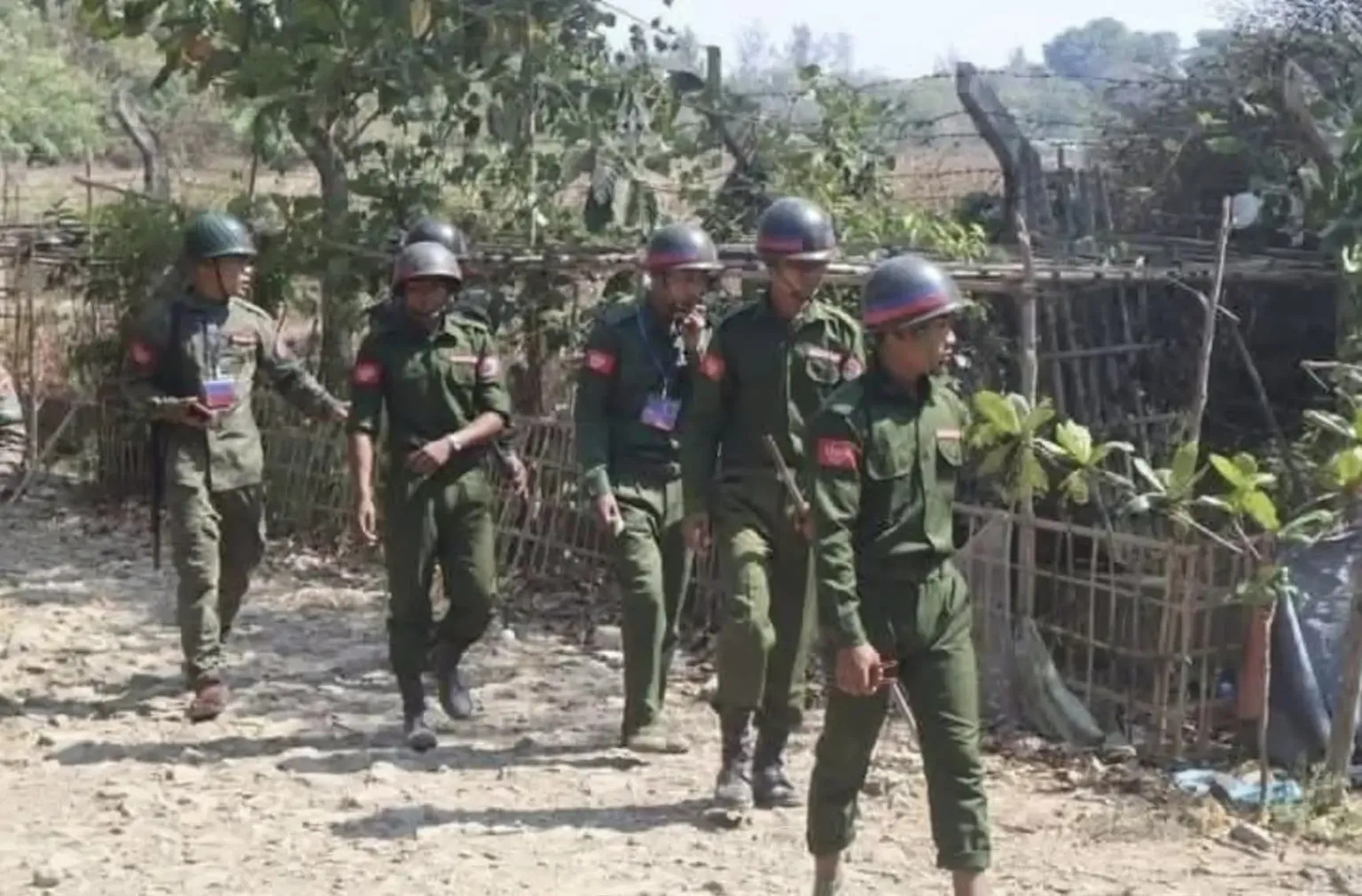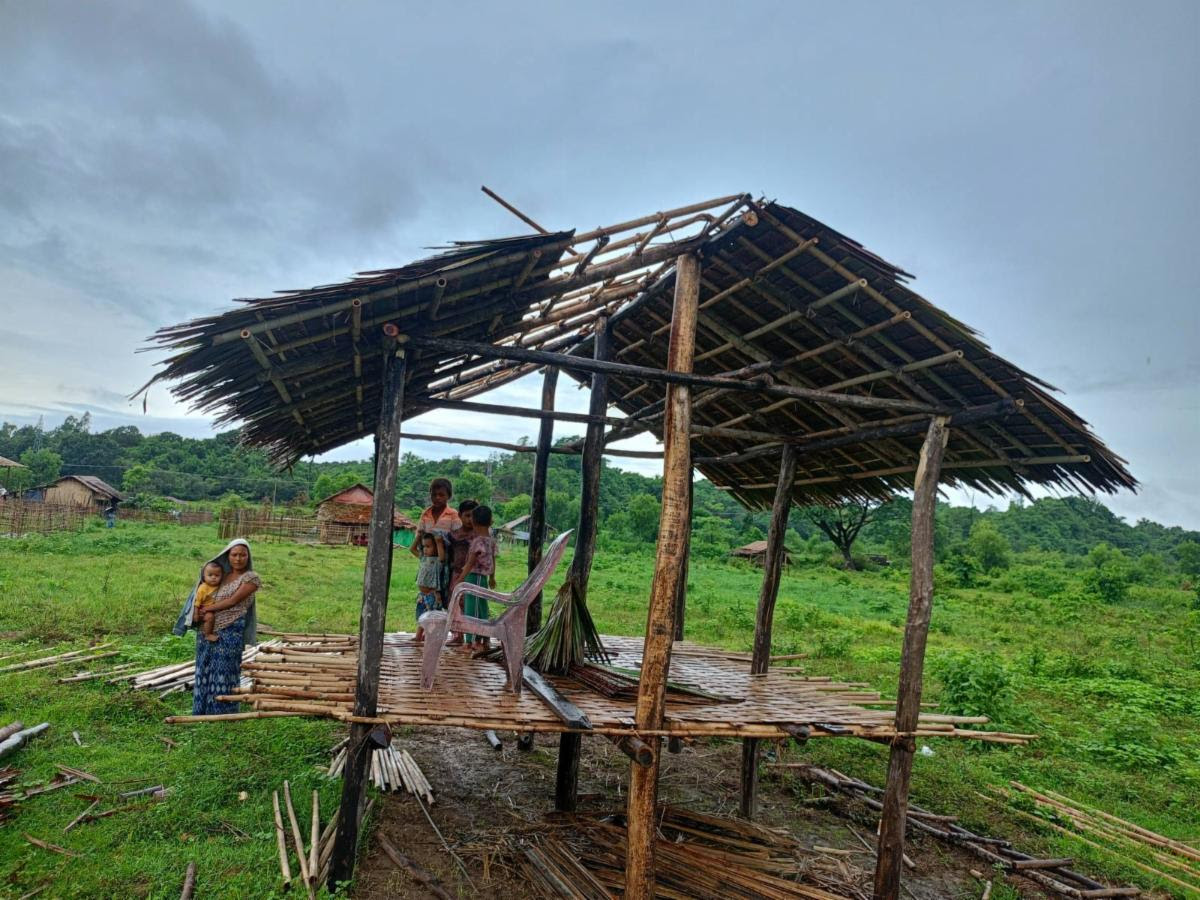
Rakhine families are reportedly being relocated to areas once inhabited and cultivated by Rohingya in Myanmar’s Rakhine State, raising fresh concerns over the future return of hundreds of thousands of displaced Rohingya.
Construction has recently started in Bagone Nar in southern Maungdaw Township, where a Rohingya village was destroyed during the Myanmar military’s 2017 crackdown, according to local residents and the Rohingya Khobor.
Residents said the former village market has been bulldozed and new houses are being built on nearby land under the administration of the United League of Arakan and its armed wing, the Arakan Army (AA), which controls much of Rakhine State.
Some of the Rakhine families reportedly arriving in the area are from Rathedaung Township and other parts of southern Rakhine. Local residents said families have been allocated residential plots and, in some cases, around two acres of farmland previously owned or cultivated by Rohingya.
The reports are part of growing allegations that Rohingya land is being confiscated or repurposed in areas controlled by the AA. The Burma Human Rights Network said in June that Rakhine settlements were being established on confiscated Rohingya land in northern Maungdaw, with some Rohingya allegedly compelled to take part in construction.
Similar allegations have emerged from Buthidaung Township, where some displaced Rohingya families reportedly have been prevented from returning to their original villages and instead moved to designated settlements. Residents said those relocated were given small plots but faced difficulties building homes because of poverty and restrictions on access to construction materials.
Local sources also named Maung Gyi Taung, Tat Min Chaung and Kyein Chaung, locally known as Thami Khali, as areas where land redistribution or Rakhine settlement was reportedly taking place. The claims could not be independently verified.
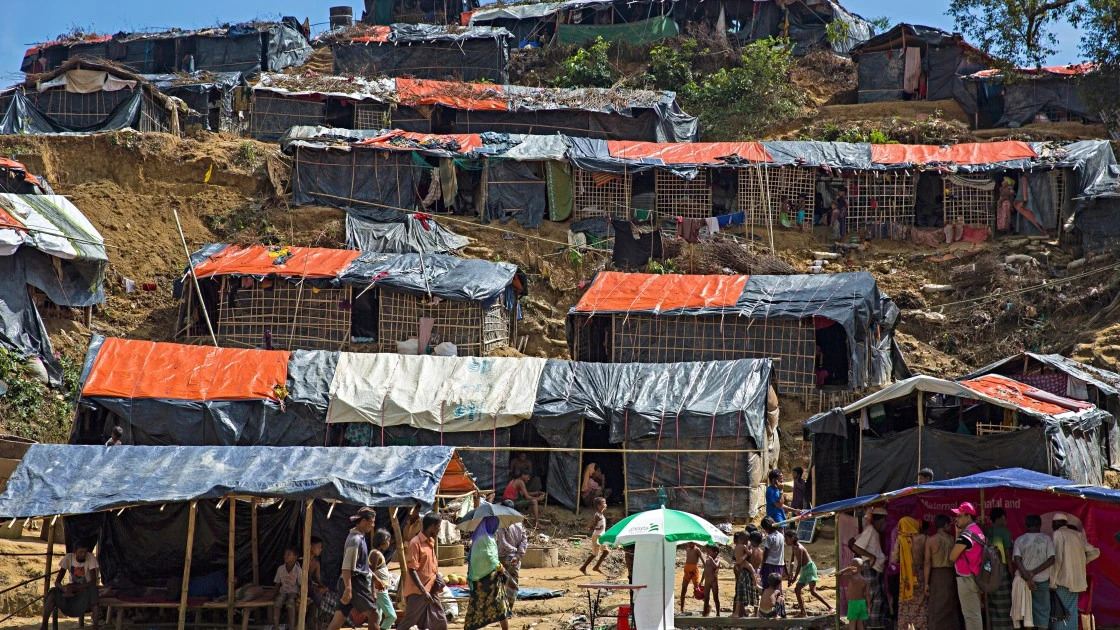
The developments could further complicate efforts to resolve the Rohingya crisis. More than one million Rohingya remain in Bangladesh after fleeing successive waves of violence in Myanmar, while renewed fighting since 2024 has displaced additional Rohingya within Rakhine State.
For Rohingya refugees, the restoration of homes, villages and farmland remains a key demand for any future return. Permanent settlement on their former land could therefore create a major obstacle to repatriation, particularly if property ownership and access to ancestral villages are not restored.
A Rohingya farmer, describing the fear among displaced communities, said the loss of farmland could leave future generations without a place to return to.
BOB Post