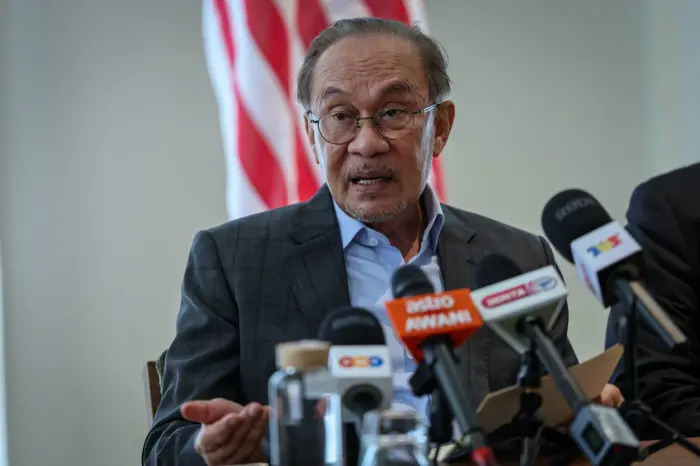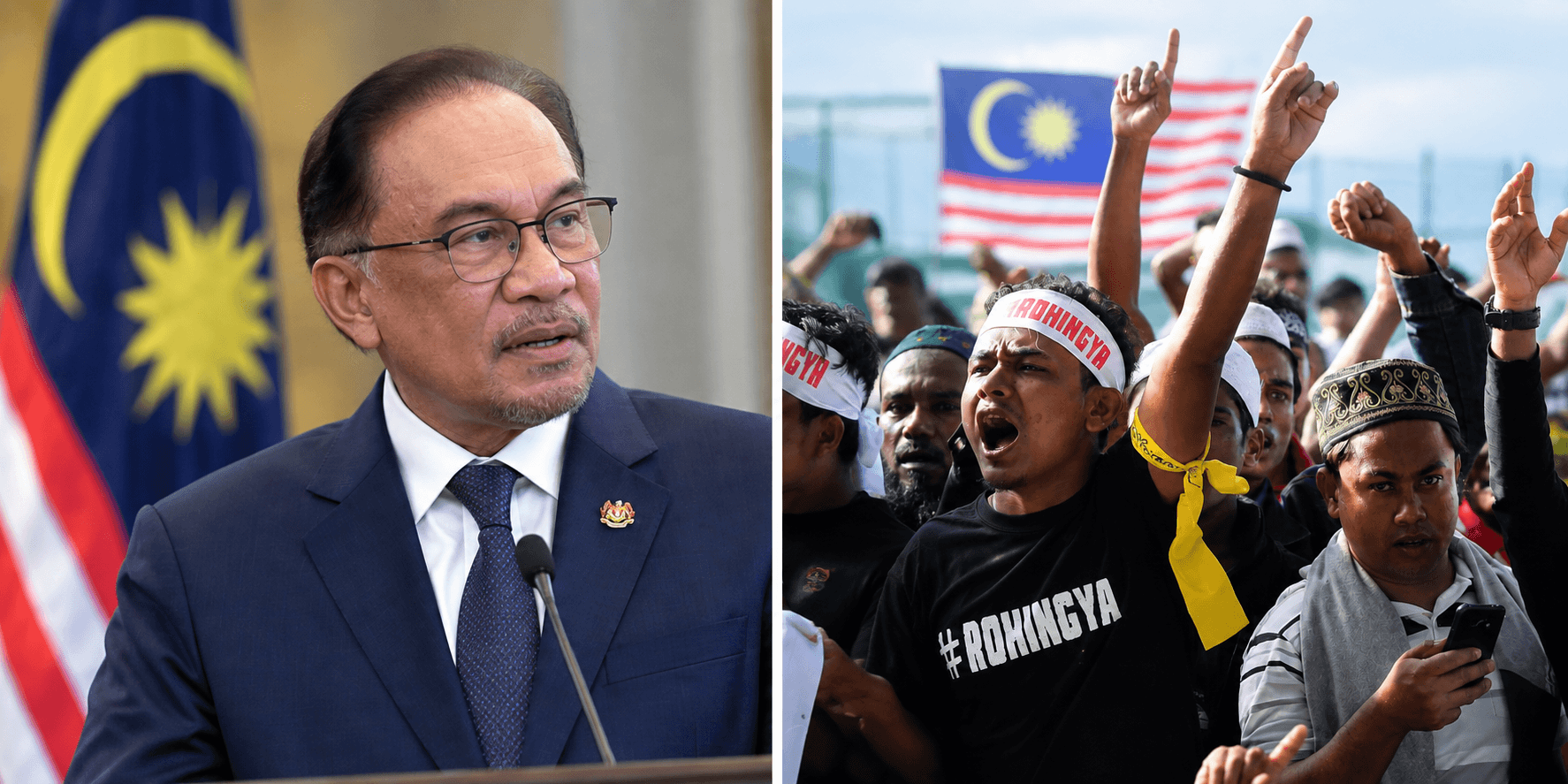
Malaysia should reconsider inviting Myanmar’s military leader Min Aung Hlaing to the country, as such a move could give his government greater political access and international legitimacy without securing meaningful commitments on the Rohingya crisis, according to an analysis published by News Wave.
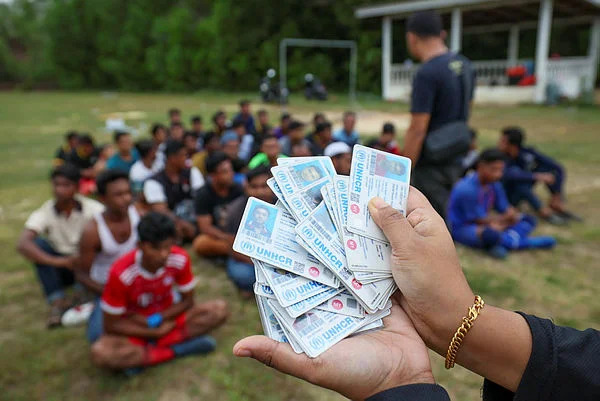
The debate comes as Malaysia seeks a practical solution to the presence of large numbers of Myanmar nationals, including Rohingya refugees, in the country. The analysis said Malaysia cannot be expected to carry the burden indefinitely but argued that diplomatic engagement should be linked to clear objectives and reciprocal commitments.
It said an invitation to Myanmer President Min Aung Hlaing at this stage could hand Myanmar’s military leadership political visibility before it makes concrete progress on issues linked to the Rohingya.
Myanmar continues to face armed conflict and political violence. The analysis said there has been no indication that the authorities in Naypyidaw are prepared to change the 1982 Citizenship Law, which has left the Rohingya without citizenship rights.
It also raised concern over the reported recruitment and forced conscription of Rohingya by the Myanmar military to fight the Arakan Army.
According to the analysis, forcing Rohingya into the conflict could expose them to greater risks and further displacement. It could also make safe and sustainable repatriation more difficult.
The situation is further complicated by the changing balance of power in Rakhine State. The analysis said the Arakan Army exercises de facto control over much of the state after years of conflict.
As a result, it argued that negotiations with Myanmar’s central authorities alone may not be enough to establish the conditions for the return and long-term security of Rohingya refugees.
Malaysia has experience in dealing with difficult conflicts, including in Mindanao and southern Thailand. The analysis said those experiences show that successful negotiations require engagement with different parties, confidence-building, and mechanisms to monitor commitments.
It also highlighted Malaysia’s international position on international law and civilian protection.
The International Court of Justice imposed provisional measures on Myanmar in January 2020 in the genocide case brought by The Gambia, requiring Myanmar to protect the Rohingya from acts covered by the Genocide Convention. In November 2024, the International Criminal Court prosecutor also applied for an arrest warrant for Min Aung Hlaing over alleged crimes against humanity against the Rohingya. The application remains subject to judicial consideration.
The analysis said Malaysia could continue communicating with Myanmar without giving its military leadership the political prominence associated with a prime ministerial invitation.
It instead suggested broader engagement involving Bangladesh, Thailand, Myanmar’s democratic and ethnic political groups, Rohingya representatives, and other actors exercising authority on the ground.
Malaysia could also work with countries such as Türkiye and China, along with the United Nations, to build a wider diplomatic framework, it said.
Independent monitoring should be part of any future Rohingya return process, according to the analysis. Such monitoring could help verify whether returns are voluntary and whether refugees remain safe after returning to Myanmar.
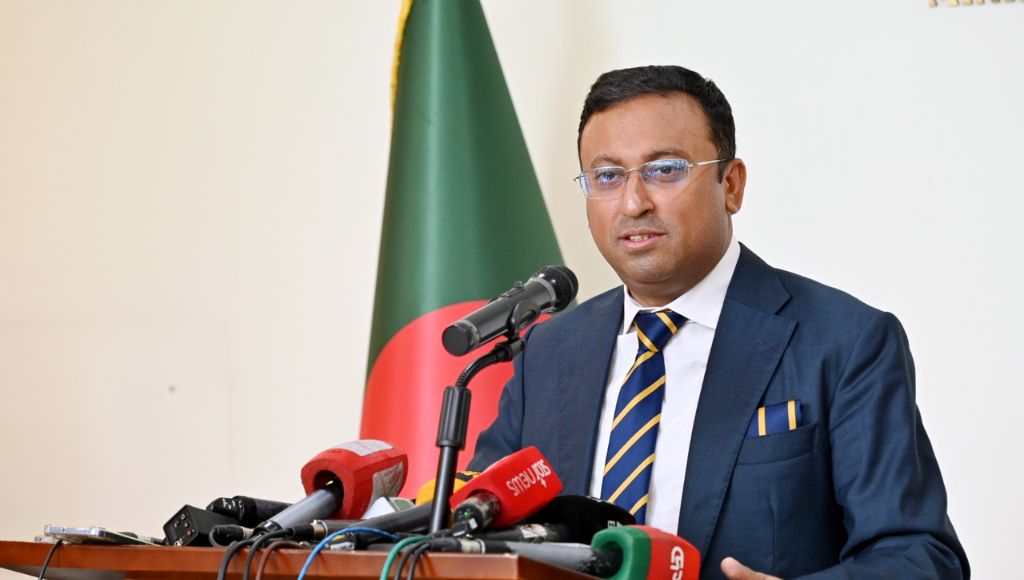
Bangladesh is currently carrying the immediate burden of the Rohingya refugee crisis, while Thailand has decades of experience dealing with conflict and displacement along its border with Myanmar.
The analysis said Malaysia should use its diplomatic influence to secure meaningful commitments rather than offer political concessions at the beginning of negotiations.
It argued that any invitation to Min Aung Hlaing should come only after meaningful political movement from Myanmar, rather than being offered as an incentive before negotiations begin.
The broader challenge for Malaysia, it said, is to balance engagement with Myanmar with its stated commitment to international law, civilian protection, and a sustainable solution to the Rohingya crisis.
BOB Post