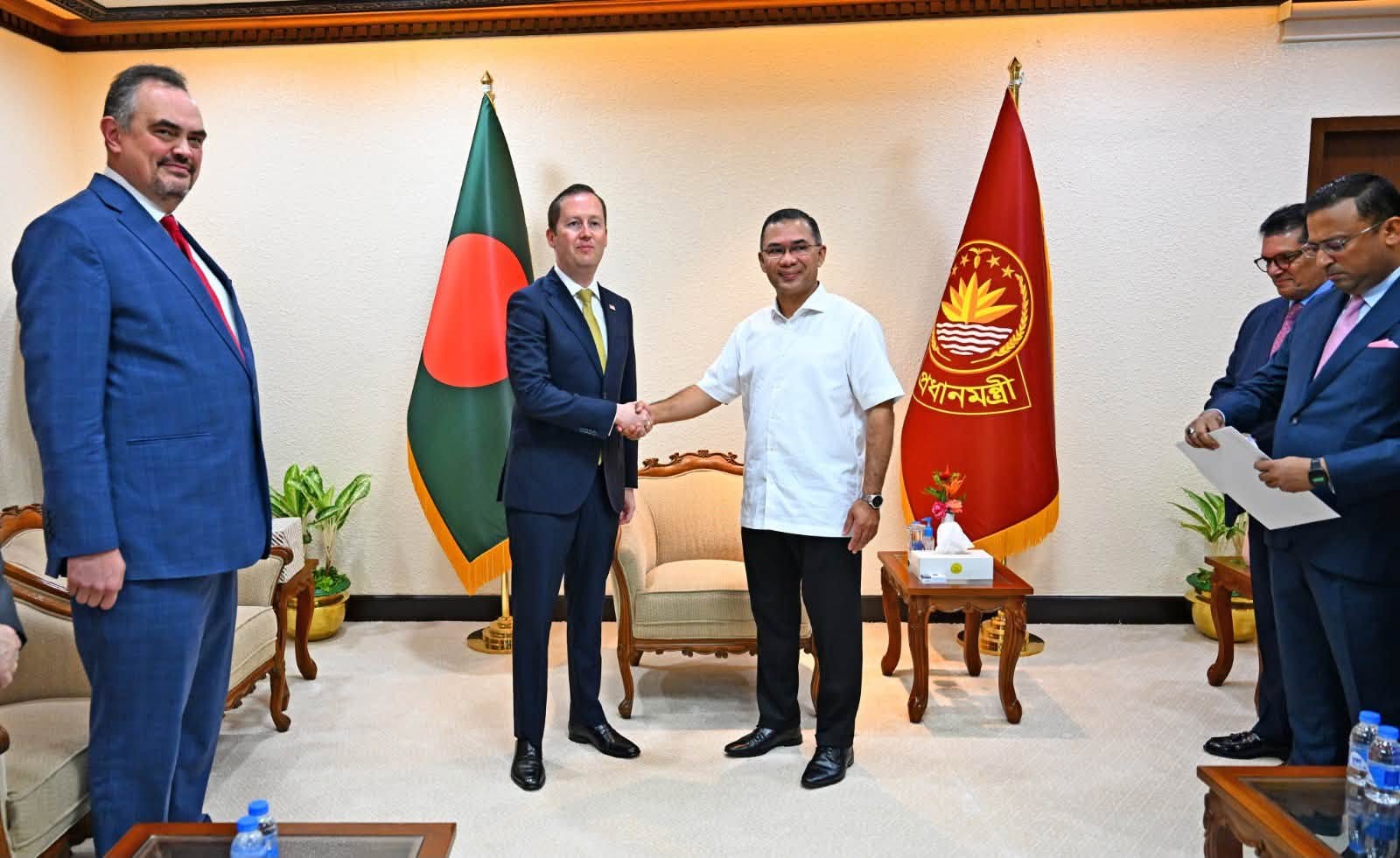
United States Special Envoy for South and Central Asia Sergio Gor has underscored the need for a sustainable political solution to the Rohingya crisis during talks with Bangladesh Prime Minister Tarique Rahman, while also highlighting opportunities for deeper economic and technological cooperation between the two countries.
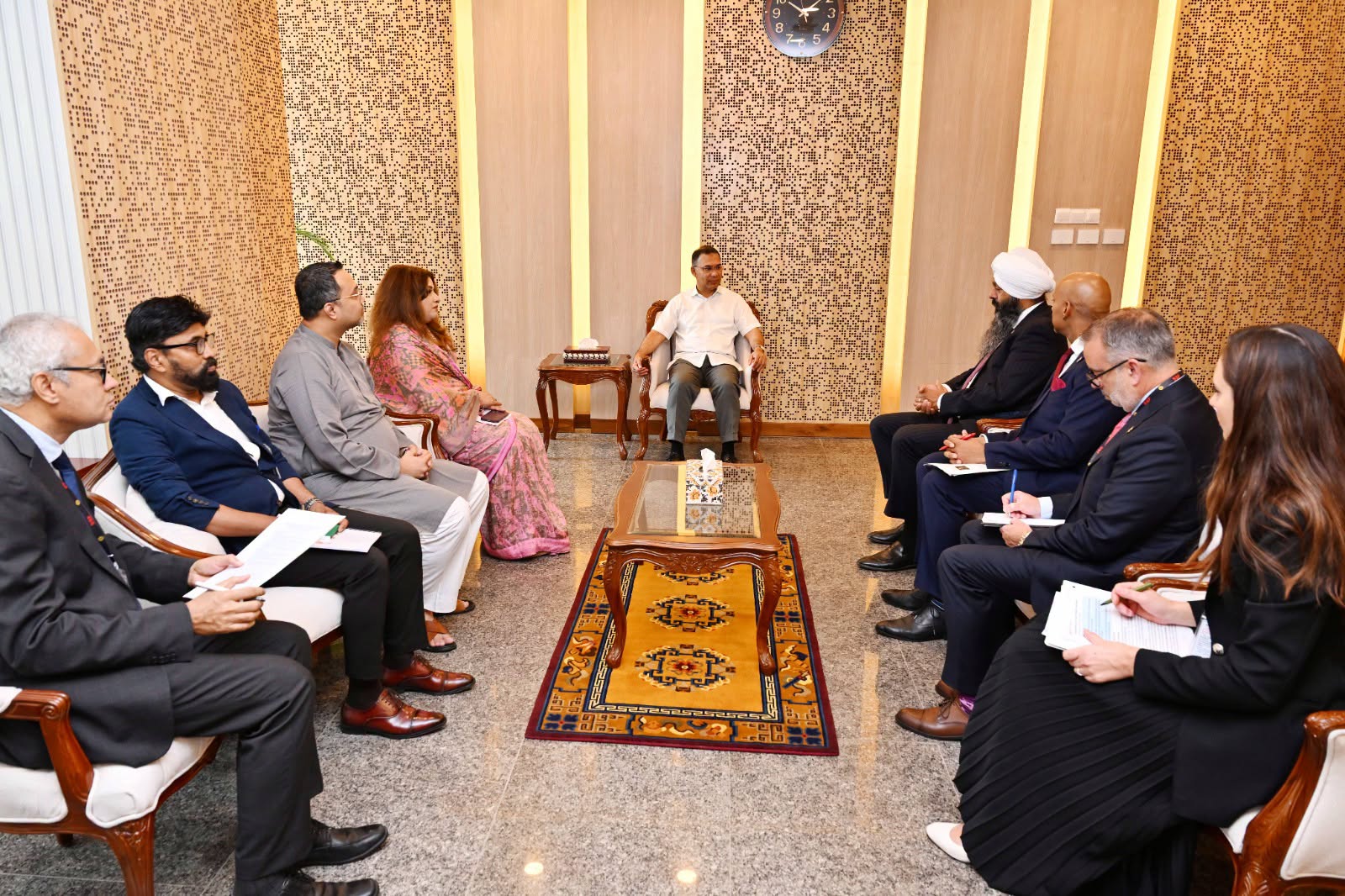
The discussions took place at the Prime Minister’s Office in Dhaka on Saturday, where the two sides reviewed bilateral relations, the protracted Rohingya refugee crisis, investment prospects, cooperation with the US Food and Drug Administration (FDA), and partnerships in the information technology sector.
During the meeting, Gor praised Bangladesh and its people for hosting more than a million Rohingya refugees and continuing to provide humanitarian support despite mounting challenges. He stressed that resolving the crisis requires a durable political settlement that would enable the safe and dignified return of displaced Rohingya to Myanmar.
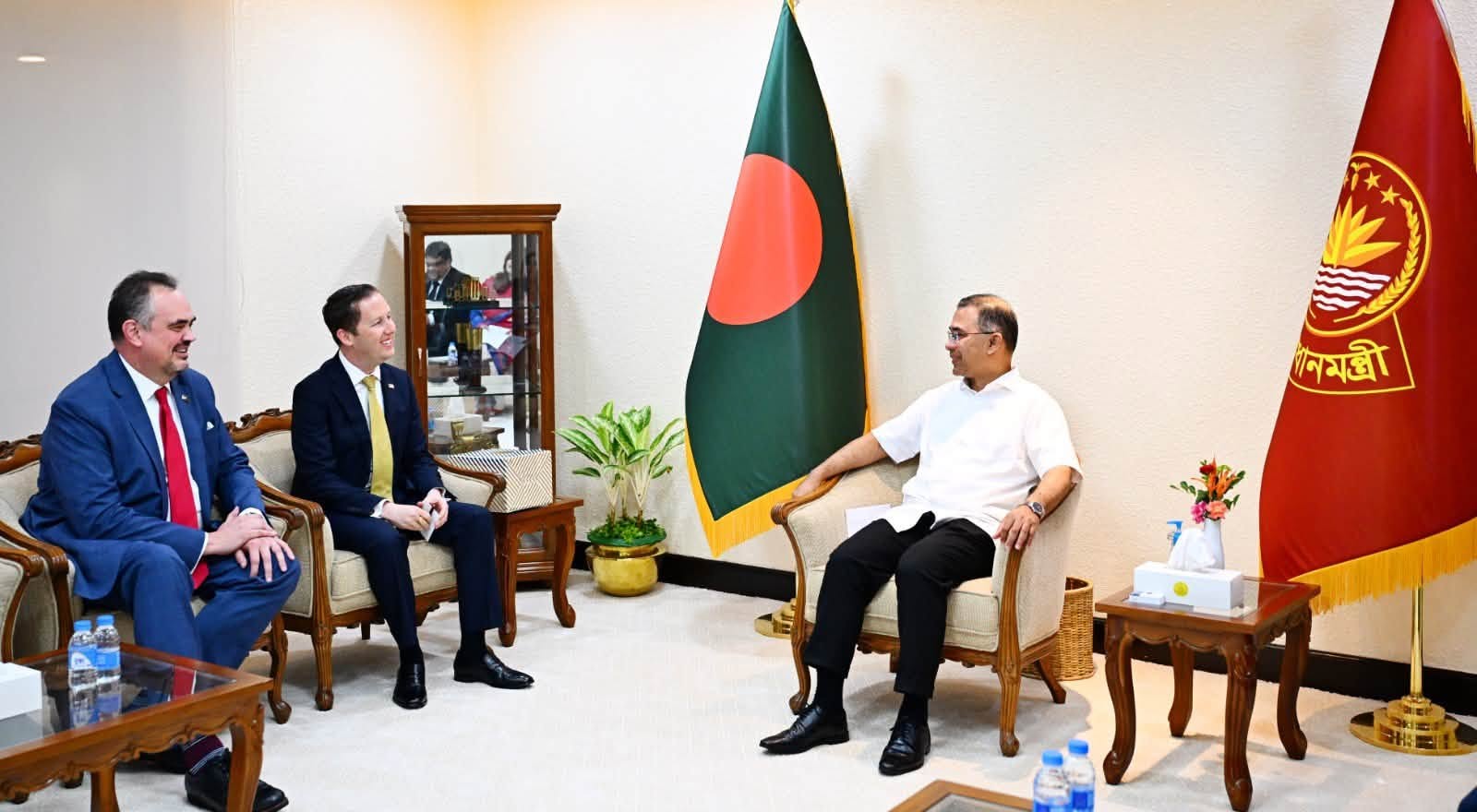
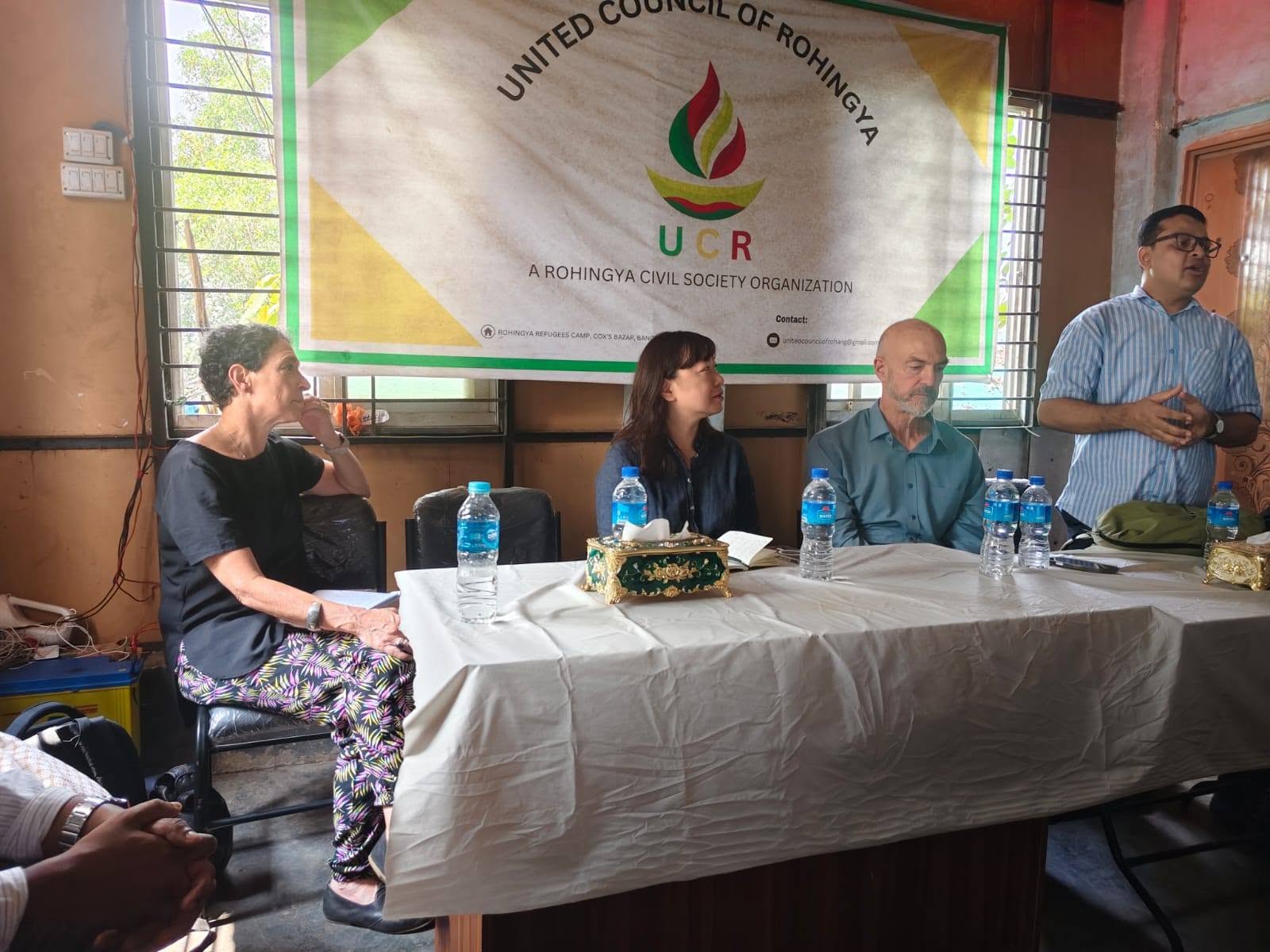
According to BSS, Gor informed the prime minister that he had visited the Rohingya camps in Cox’s Bazar a day earlier, where he observed the humanitarian situation firsthand and commended Bangladesh’s efforts in managing one of the world’s largest refugee settlements.
Prime Minister Tarique Rahman thanked the United States for its longstanding support to the Rohingya response, noting that Washington remains the largest contributor to humanitarian assistance for the displaced population in Bangladesh.
The meeting also focused on expanding economic engagement. Gor said Bangladesh has regained stability and is now well positioned to attract greater foreign investment. He pointed to the recent revision of the US travel advisory for Bangladesh as a positive signal that could encourage American businesses to explore investment opportunities in the country.
The US envoy conveyed Washington’s confidence in the leadership of Prime Minister Tarique Rahman and expressed optimism about strengthening bilateral cooperation across a range of sectors.
Rahman, for his part, invited greater US investment in Bangladesh, particularly in agricultural storage infrastructure for commodities such as soybeans, cotton and wheat. He said enhanced storage capacity would strengthen supply chains and improve the country’s competitiveness.
Both sides also agreed to work toward resuming pilot activities in Bangladesh with support from the US Food and Drug Administration (FDA), according to the Foreign Ministry.
On technology cooperation, Rahman highlighted Bangladesh’s interest in attracting investment in the digital economy and advanced technologies. Responding to the proposal, Gor said Bangladesh possesses significant potential in the sector and could eventually become a partner in the US-led “Pax Silica” initiative.
The Foreign Ministry said the Pax Silica framework, launched by the United States in December 2025, aims to build secure and resilient global supply chains for artificial intelligence technologies, semiconductors and critical minerals.
The meeting was attended by Foreign Minister Khalilur Rahman, Foreign Affairs Adviser Humayun Kabir, State Minister for Foreign Affairs Shama Obaed Islam, Prime Minister’s advisers Rehan Asif Asad and Mahdi Amin, Bangladesh Ambassador to Washington Tareq Mohammad Ariful Islam, and US Ambassador to Bangladesh Brent Christensen, among other senior officials.
BOB Post