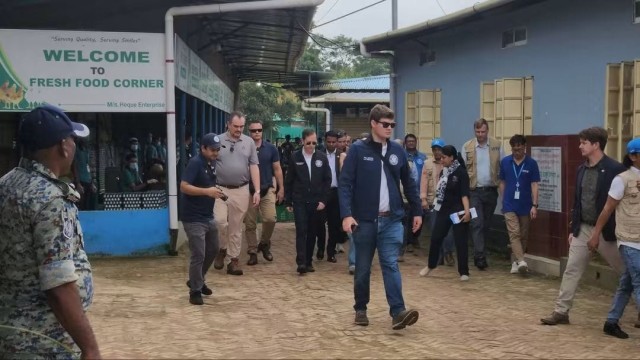
U.S. Special Envoy for South and Central Asian Affairs Sergio Gor visited Rohingya camps in Cox's Bazar on Friday, where refugees appealed for stronger U.S. support to help facilitate their safe, voluntary, sustainable and dignified return to Myanmar.
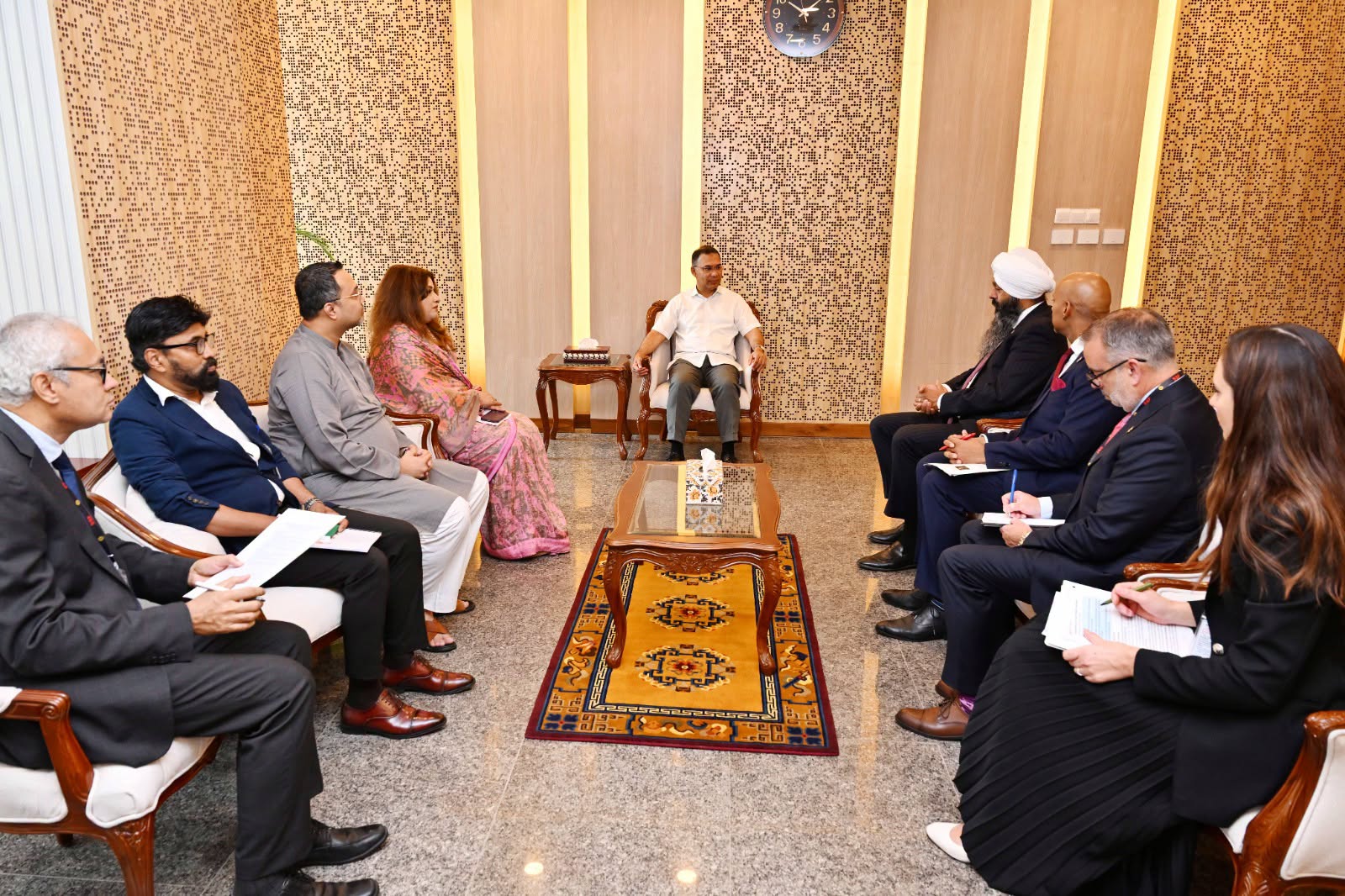
Gor, accompanied by U.S. Ambassador to Bangladesh Brent T. Christensen and a delegation from the U.S. Embassy, toured humanitarian facilities across several camps in Ukhiya, meeting Rohingya refugees and observing relief operations funded by the United States.
According to Prothom Alo, Rohingya refugees used the visit to urge the U.S. delegation to intensify diplomatic efforts to ensure conditions for their return to Myanmar's Rakhine State, saying they wanted to go home as soon as circumstances allow.
Refugee Relief and Repatriation Commissioner (RRRC) Mohammad Mizanur Rahman said the United States remains one of the largest humanitarian donors supporting the Rohingya response in Bangladesh. He said the delegation's visit focused on assessing U.S.-funded assistance programmes and gaining a first-hand understanding of conditions inside the camps.
During discussions with RRRC officials, the U.S. delegation sought updates on new refugee arrivals, prospects for repatriation, the security situation in Myanmar's Rakhine State, and relations between the Rohingya and host communities.
Rahman said around seven to ten Rohingya continue to enter Bangladesh each day, fleeing violence or seeking medical treatment. He added that the prolonged suspension of repatriation, coupled with the involvement of a small number of refugees in criminal activities, has contributed to growing frustration among local residents.
The delegation visited Camps 4, 6 and 8 West in Ukhiya, inspecting primary healthcare services, refugee registration, food distribution and liquefied petroleum gas (LPG) distribution programmes. Officials also reviewed maternal and child healthcare, immunisation services, nutrition programmes and emergency medical care at a primary health centre.
The visitors later observed a UNHCR-supported registration centre for newly arrived refugees, an IOM-backed LPG distribution programme and the World Food Programme's electronic voucher-based food assistance system.
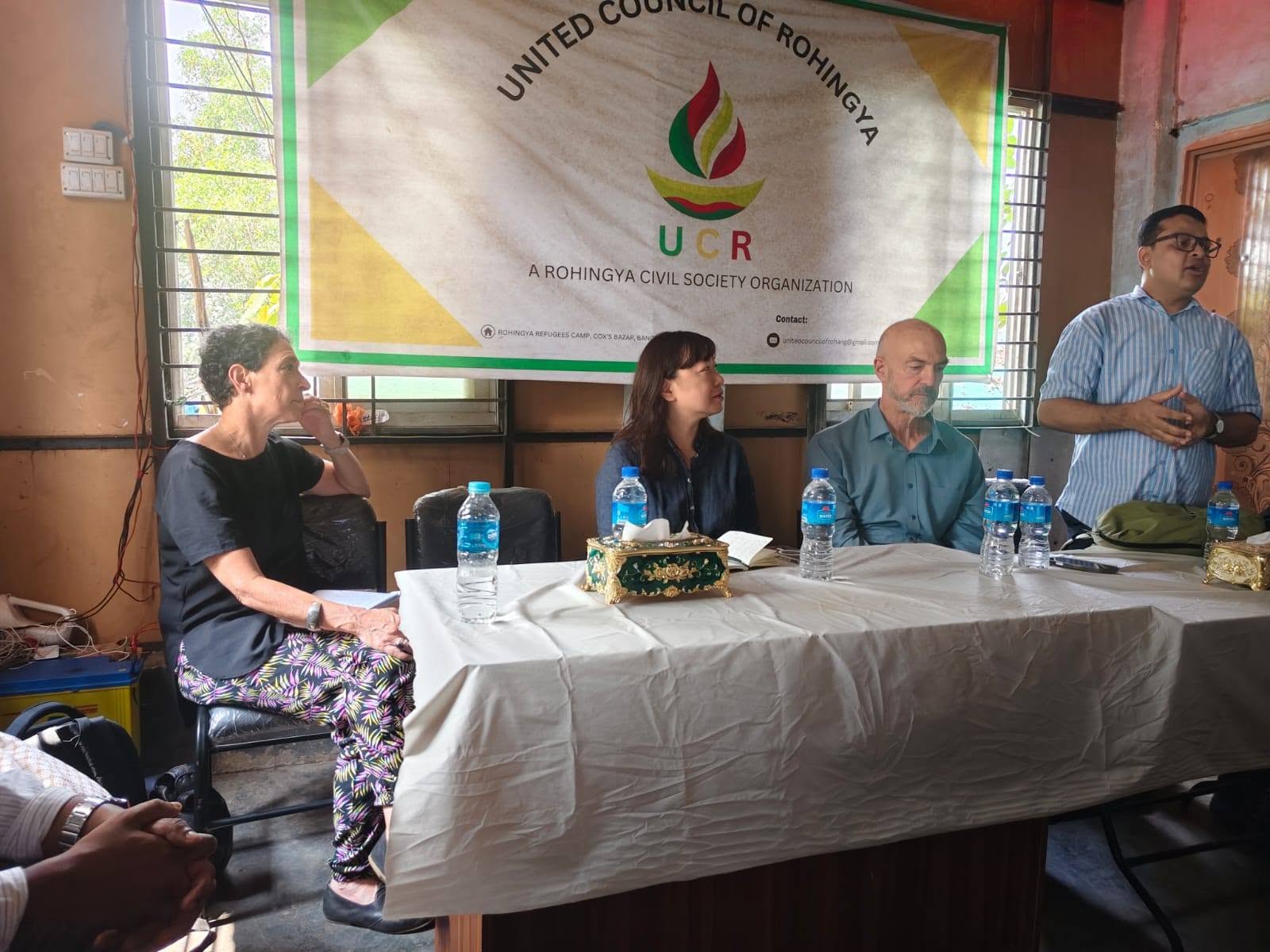
During the visit to Camp 4, hundreds of Rohingya gathered with placards calling for their safe, voluntary and dignified repatriation to Myanmar.
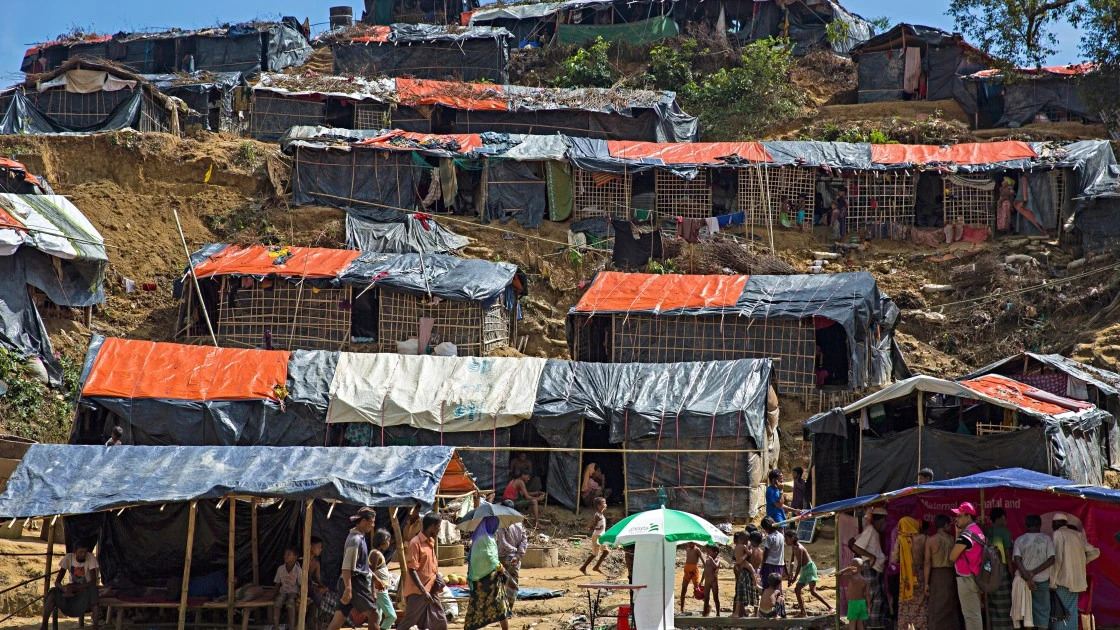
Bangladesh currently hosts more than 1.4 million registered Rohingya refugees across 33 camps in Ukhiya and Teknaf. While nearly 800,000 fled a military crackdown in Myanmar in 2017, an estimated 152,000 more have crossed into Bangladesh over the past 18 months, with no formal repatriation taking place in the past nine years.
BOB Post