As the world marks World Tiger Day 2026 on Tuesday, conservationists are drawing attention to the Bengal tiger’s critical role in safeguarding the Sundarbans, warning that climate change, habitat loss and growing human-wildlife conflict continue to threaten the future of the world's largest mangrove forest.
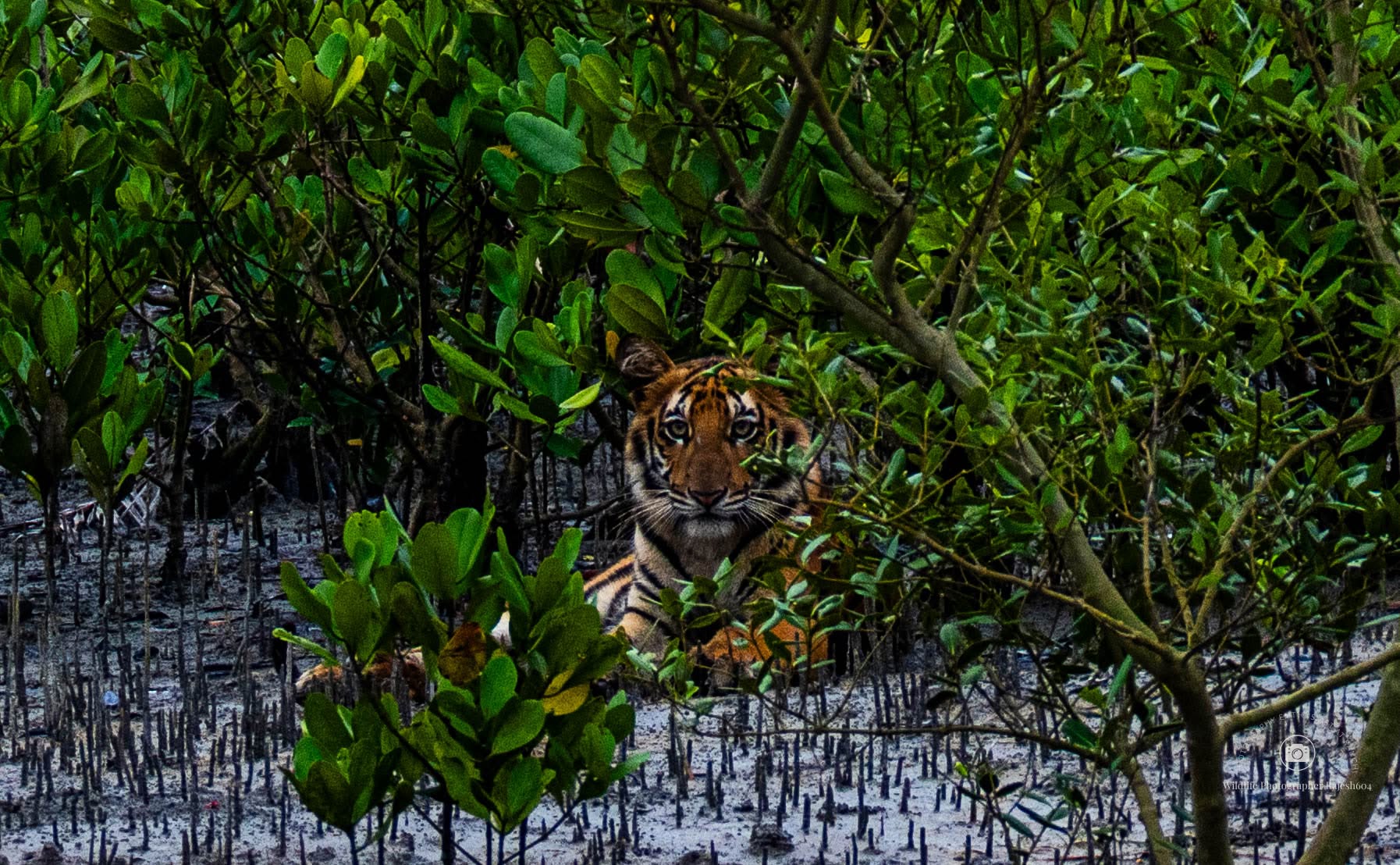
Shared by Bangladesh and India, the Sundarbans is the only mangrove ecosystem on Earth where Bengal tigers have successfully adapted to a saline, amphibious environment. The elusive predators swim across tidal creeks, navigate dense mangroves and hunt in waterlogged terrain, making them one of the world's most unique tiger populations.
Experts say the Bengal tiger serves as the apex predator of the Sundarbans, regulating populations of deer, wild boar and other prey species. This ecological balance helps maintain the health of the mangrove forest, which stores vast amounts of carbon, protects coastal communities from cyclones and storm surges, and supports diverse fish, bird and reptile species.
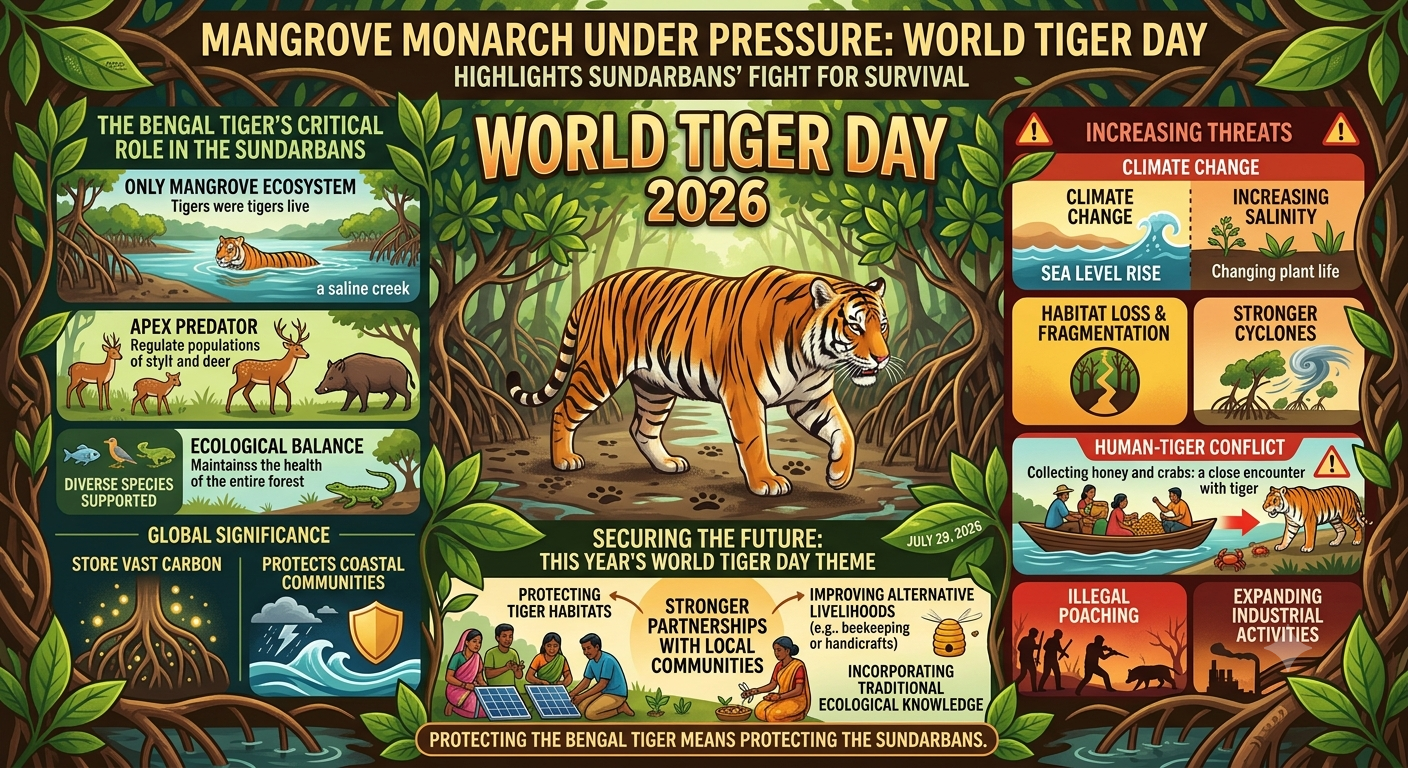
However, conservationists warn that the mangrove tiger faces increasing threats from climate change. Rising sea levels, coastal erosion and increasing salinity are shrinking and fragmenting tiger habitat, while stronger and more frequent cyclones continue to damage the fragile ecosystem.
Human-tiger conflict also remains a major concern as thousands of people enter the forest each year to collect fish, crabs, honey and forest resources, increasing encounters with wildlife. Illegal poaching and expanding industrial activities add further pressure to the already vulnerable tiger population.
This year's World Tiger Day theme emphasizes securing the future of tigers through stronger partnerships with Indigenous peoples and local communities. Conservation groups say protecting tiger habitats, improving alternative livelihoods for forest-dependent communities and incorporating traditional ecological knowledge are essential to ensuring the species' long-term survival.
As World Tiger Day is observed worldwide, environmentalists say protecting the Bengal tiger means protecting the Sundarbans itself—a globally significant ecosystem that shields millions of people from climate-related disasters while sustaining one of the planet's richest biodiversity hotspots.
BOB Post