ASEAN is facing mounting pressure to re-engage Myanmar's military-backed government as regional powers increasingly restore diplomatic ties with President Min Aung Hlaing, raising questions over whether the bloc is taking a political risk or being driven by changing geopolitical realities.
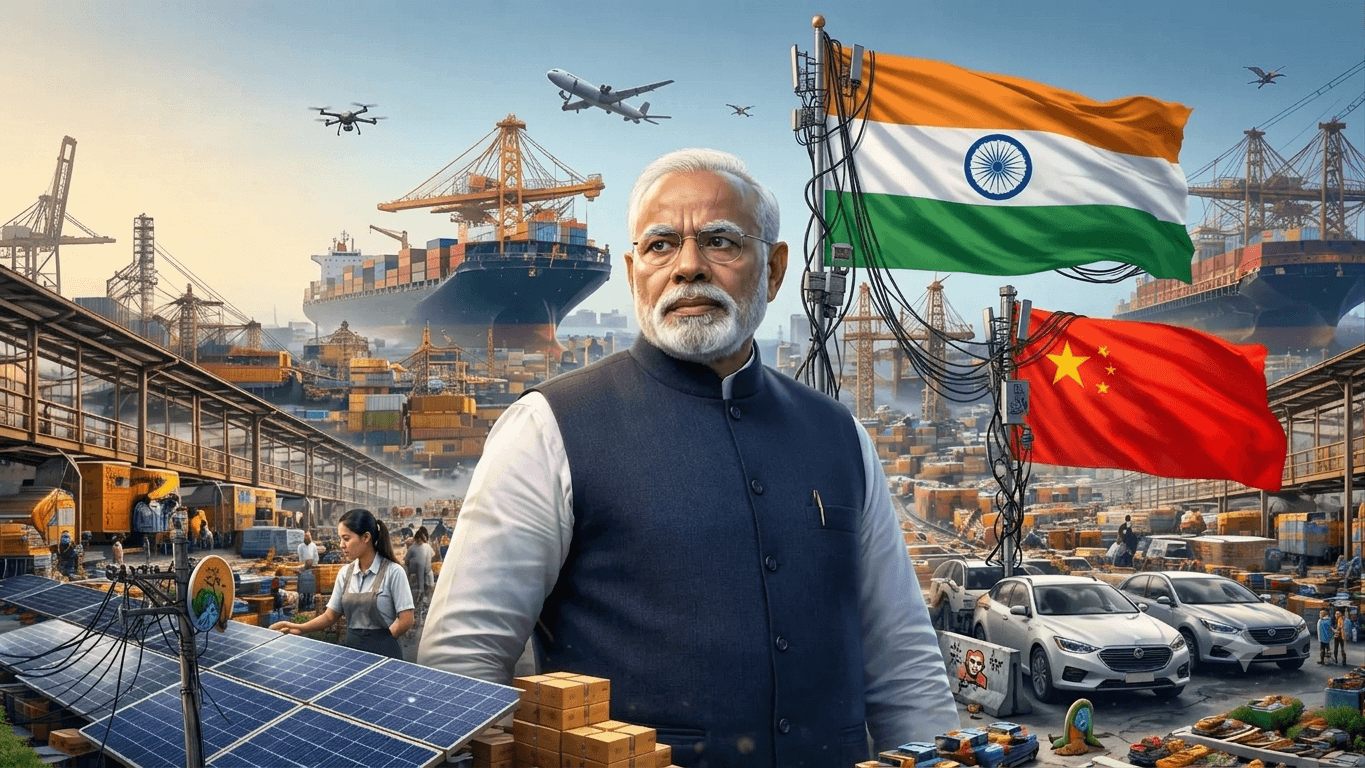
President Min Aung Hlaing, who seized power in a 2021 military coup, has sought to strengthen his international standing following Myanmar's widely criticized elections held in late 2025 and early 2026. Since assuming the presidency under the post-election administration, he has been received by Indian Prime Minister Narendra Modi and Chinese President Xi Jinping, while also making official visits to Laos and reportedly preparing for a visit to Thailand.
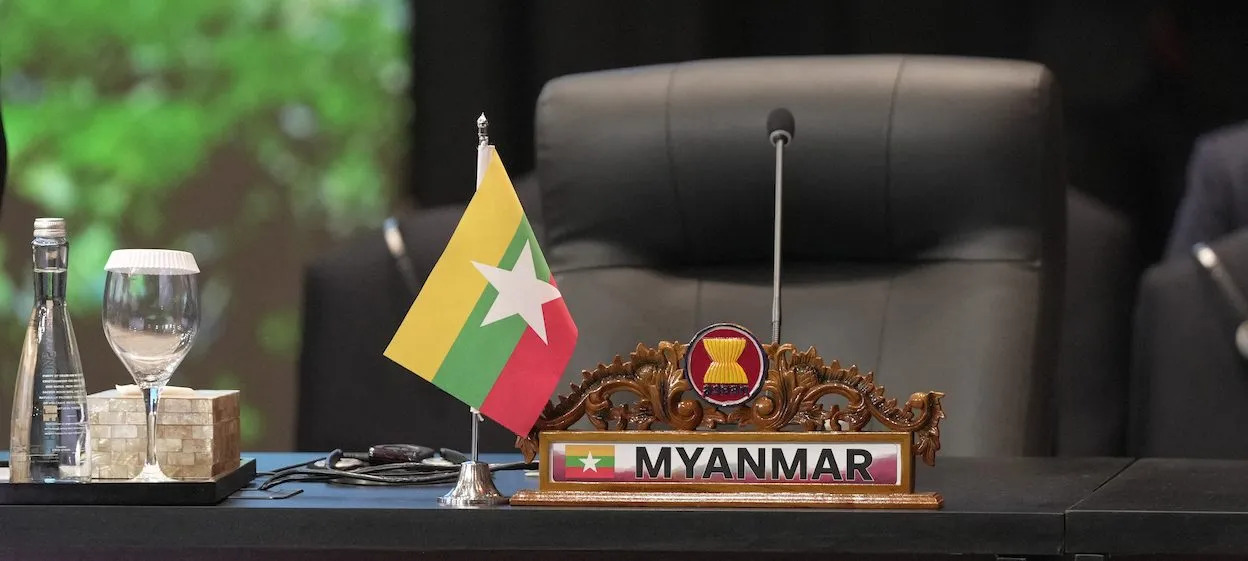
The renewed diplomatic outreach has intensified debate within ASEAN over whether the regional bloc should restore Myanmar's participation in high-level meetings after years of isolating the junta over its failure to implement the bloc's Five-Point Consensus (5PC).
The 5PC, agreed shortly after the coup in April 2021, called for an end to violence, inclusive dialogue among all parties, humanitarian assistance and mediation by a special ASEAN envoy. However, the military government largely ignored the agreement as the country descended into a nationwide civil war.
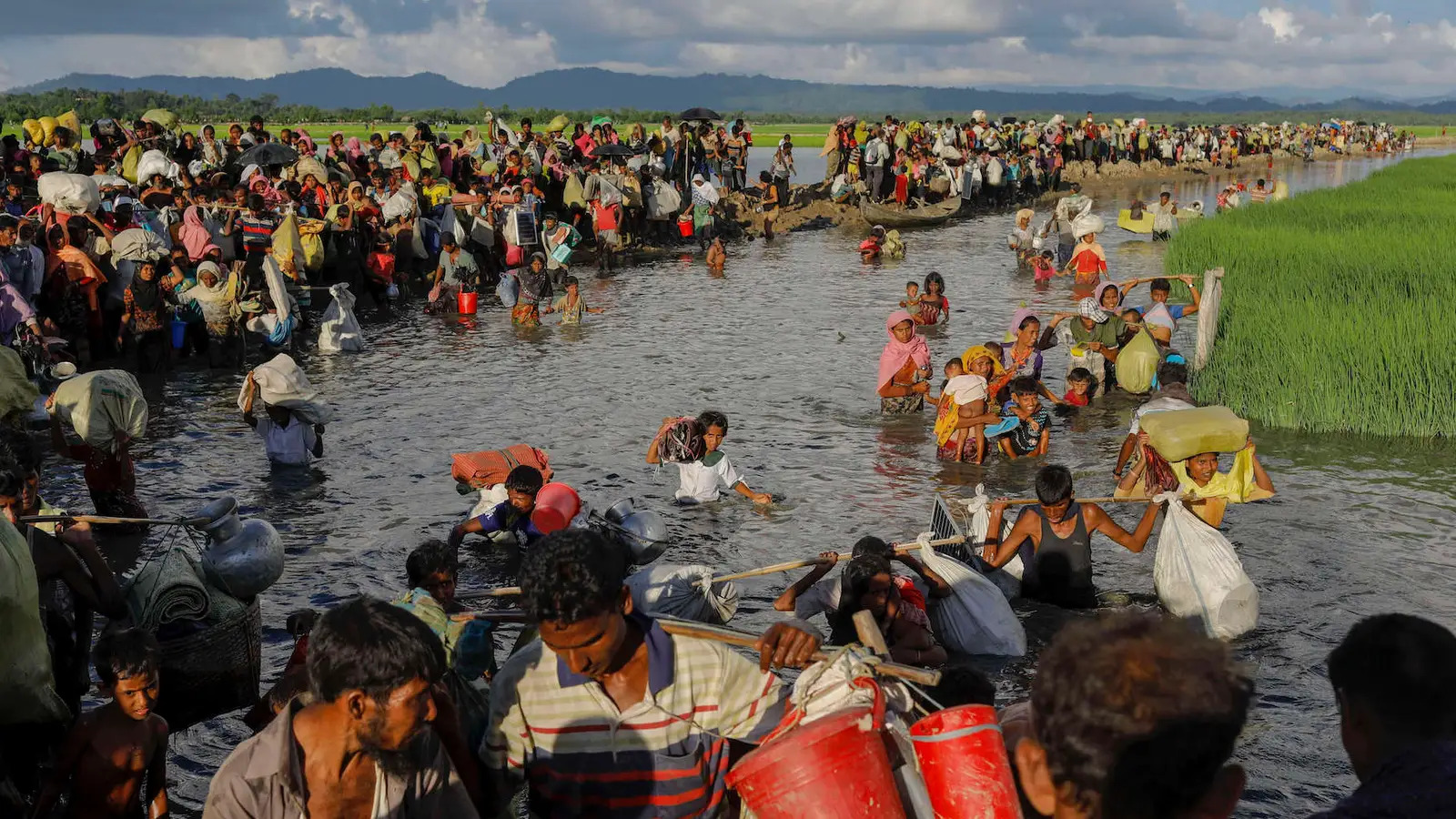
Although anti-government resistance forces gained significant battlefield momentum after major offensives in late 2023, analysts argue they failed to translate military advances into a unified political alternative. The National Unity Government (NUG) remained fragmented, while coordination between People's Defense Forces (PDFs) and ethnic armed organizations (EAOs) fell short of creating an effective governing structure.
At the same time, China adjusted its approach as the conflict dragged on. After maintaining contacts with both the junta and resistance groups, Beijing eventually prioritized border stability and strategic interests, increasing support for the military authorities. Combined with Russian military assistance and nationwide conscription, the shift helped the junta regain strategic ground.
Against this backdrop, Min Aung Hlaing has moved to convert military survival into diplomatic recognition, with his government expected to seek full reintegration into ASEAN and eventually reclaim Myanmar's representation in regional and international forums.
For ASEAN, the situation presents a difficult balancing act. While engagement with Myanmar may become increasingly unavoidable as regional dynamics evolve, moving too quickly without meaningful political concessions could undermine the bloc's credibility and weaken its long-standing commitment to resolving the crisis through the Five-Point Consensus.
BOB Post